
Water Heater Repair in Bexley, OH
Fast, expert water heater repair in Bexley, OH for homes and businesses. Schedule reliable diagnostics and prompt service today.

Water Heater Repair in Bexley, OH
When your water heater fails, it affects daily routines, business operations, and building comfort. Water Heater Repair in Bexley, OH focuses on fast, accurate diagnosis and long-term repairs for both residential and commercial systems. Whether you have an older tank unit in a historic Bexley home or a modern tankless system in a commercial property, this content explains common symptoms, step-by-step diagnostics, typical repairs, warranty considerations, emergency availability, and preventative maintenance tailored to local conditions.
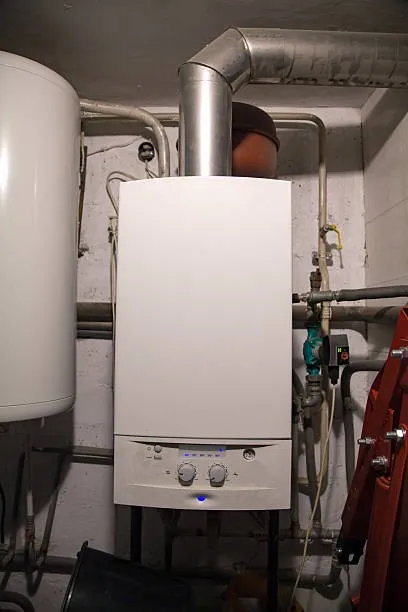
Common water heater symptoms in Bexley homes and businesses
Recognizing the signs early reduces downtime and prevents more expensive failures. Common issues noticed in Bexley include:
- No hot water or insufficient hot water — often caused by failed heating elements, thermostats, sediment build-up, or gas supply problems.
- Intermittent hot water — cycling problems, faulty thermostats, or loose electrical connections.
- Leaks around the tank or connections — corroded tank, failed fittings, or a leaking temperature and pressure (T&P) relief valve.
- Strange noises — rumbling, popping, or banging from sediment accumulation on the tank bottom.
- Discolored or foul-smelling water — rusting anode rod or bacterial growth in low-temperature tanks.
- Pilot light or ignition failures (gas units) — dirty pilot assembly, faulty thermocouple, or gas valve issues.
- Frequent cycling or short cycling — thermostat or control board faults.
- High water temperature or scalding — faulty thermostat or mixing valve failure.
Bexley’s seasonal temperature swings and older plumbing in many neighborhoods increase the risk of sediment buildup and component wear. Hard water in central Ohio also accelerates scaling and corrosion.
Diagnostic and inspection steps
A structured diagnosis reduces guesswork and keeps repair costs reasonable. Typical inspection steps include:
- Visual check of tank, connections, and venting for corrosion, leaks, or obvious damage.
- Verify power or gas supply and check circuit breakers, fuses, and gas valves.
- Test thermostat and control settings, confirm temperature at tap.
- Listen for abnormal noises and assess sediment level by temperature fluctuation testing.
- For gas units, inspect pilot assembly, thermocouple, and ignition system; check for proper venting and combustion air.
- Pressure and T&P valve test to confirm proper operation.
- For tankless or hybrid systems, run diagnostic codes and flow/temperature tests.
- Provide a written diagnostic summary including failed parts, recommended repairs, and estimated parts and labor.
Diagnostics in Bexley often factor in older homes where access can be tight and where venting or piping may need updating to code.
Typical repair procedures explained
Repairs are tailored to the problem identified during diagnosis. Common procedures include:
- Thermostat replacement or recalibration
Electric and gas thermostats can fail or be mis-set. Replacement restores accurate temperature control and reduces energy waste. - Heating element replacement (electric tanks)
Burned-out elements are the usual cause of no-hot-water in electric units. Replacing one or both elements is a common fix. - Pilot light, thermocouple, and ignition repairs (gas units)
Cleaning or replacing the thermocouple, pilot assembly, or electronic igniter resolves many gas ignition problems. - Pressure and temperature (T&P) relief valve replacement
A leaking or stuck T&P valve is a safety concern and must be replaced with a properly rated valve. - Anode rod replacement
Replacing the sacrificial anode extends tank life and prevents internal corrosion. - Sediment flushing and tank cleaning
Flushing out scale and sediment restores capacity and reduces noise, commonly necessary in Bexley due to local water hardness. - Leak repairs and fitting replacement
Repairing or replacing corroded nipples, drain valves, or supply fittings can stop leaks without replacing the entire unit. - Control board or gas valve replacement
Modern units may need electronic control diagnosis and replacement for recurring cycling or ignition errors. - Tankless system service
Descaling, inlet filter cleaning, and component replacement (heat exchanger, sensors, gas valves) for tankless units.
Each repair includes post-service testing to confirm safe operation and correct water temperatures.
Parts, labor estimates, and warranty information
Estimates vary by unit type, parts required, and access complexity typical of Bexley properties. Clear, itemized estimates should separate parts and labor so homeowners and property managers understand costs. Common considerations:
- Parts like elements, thermostats, valves, and anode rods are typically available from major manufacturers; labor reflects time for safe drain/refill, electrical or gas reconnection, and testing.
- Manufacturer warranties on replacement parts or new units may apply; many parts carry limited warranties while labor warranties are commonly offered for a fixed period after repair.
- If older systems have rusted tanks or repeated failures, replacement options and long-term cost comparisons are part of an informed recommendation.
Emergency and after-hours availability
Sudden failures can happen any time, especially cold mornings in winter. Emergency water heater repair services in Bexley often include:
- After-hours diagnostics for no-hot-water or major leaks.
- Safety-first protocols: shutting off gas or power, isolating leaks, and temporary fixes to avoid property damage.
- Priority scheduling for commercial properties where hot water is essential for operations.
Emergency response should focus on minimizing damage and restoring safe hot water as quickly as possible.
Preventative maintenance tailored to Bexley homes
Regular maintenance reduces emergency calls and extends service life. Recommended maintenance includes:
- Annual flushing to remove sediment, especially if a home has hard water.
- Inspect and test the T&P valve yearly.
- Check and replace the anode rod every 3-5 years depending on water quality.
- Lower thermostat to 120 F to reduce scale and risk of scalding while saving energy.
- Insulate exposed hot water pipes and the first 3 feet of the tank’s cold-water inlet in older, uninsulated basements or crawl spaces to reduce standby heat loss and protect against freezing.
- Consider a water softener or scale inhibitor if testing shows hard water contributes to frequent scaling.
In Bexley, preventative care is especially important for older homes and during winter months when freeze risks and demand for hot water increase.
Why timely repair matters
Prompt diagnosis and repair protect property, reduce energy bills, and prevent secondary damage from leaks or failed components. Addressing issues early avoids emergency replacements and preserves hot water reliability for both households and businesses in Bexley, OH.
This overview prepares decision-makers to evaluate repair options, understand common fixes, and prioritize maintenance that matches local conditions and building histories.
Hot Deals & Cool Savings

.webp)
New Service Agreement Membership
.webp)
Any New Client Service
Next Service for Referring a New Client
New Service Agreement Membership
Any New Client Service
Next Service for Referring a New Client
.webp)
.webp)

Service Areas
