
Mini Split Tune-Up in Lancaster, OH
Mini Split tune-up in Lancaster, OH helps maximize comfort, improve efficiency, and extend equipment life. Schedule your service today.

Mini Split Tune-Up in Lancaster, OH
A focused mini-split tune-up in Lancaster, OH keeps your ductless system running efficiently through hot, humid summers and cold, changeable winters. If your home’s comfort feels uneven, energy bills are creeping up, or you hear new noises from the indoor or outdoor units, a professional tune-up addresses those problems before they become breakdowns.
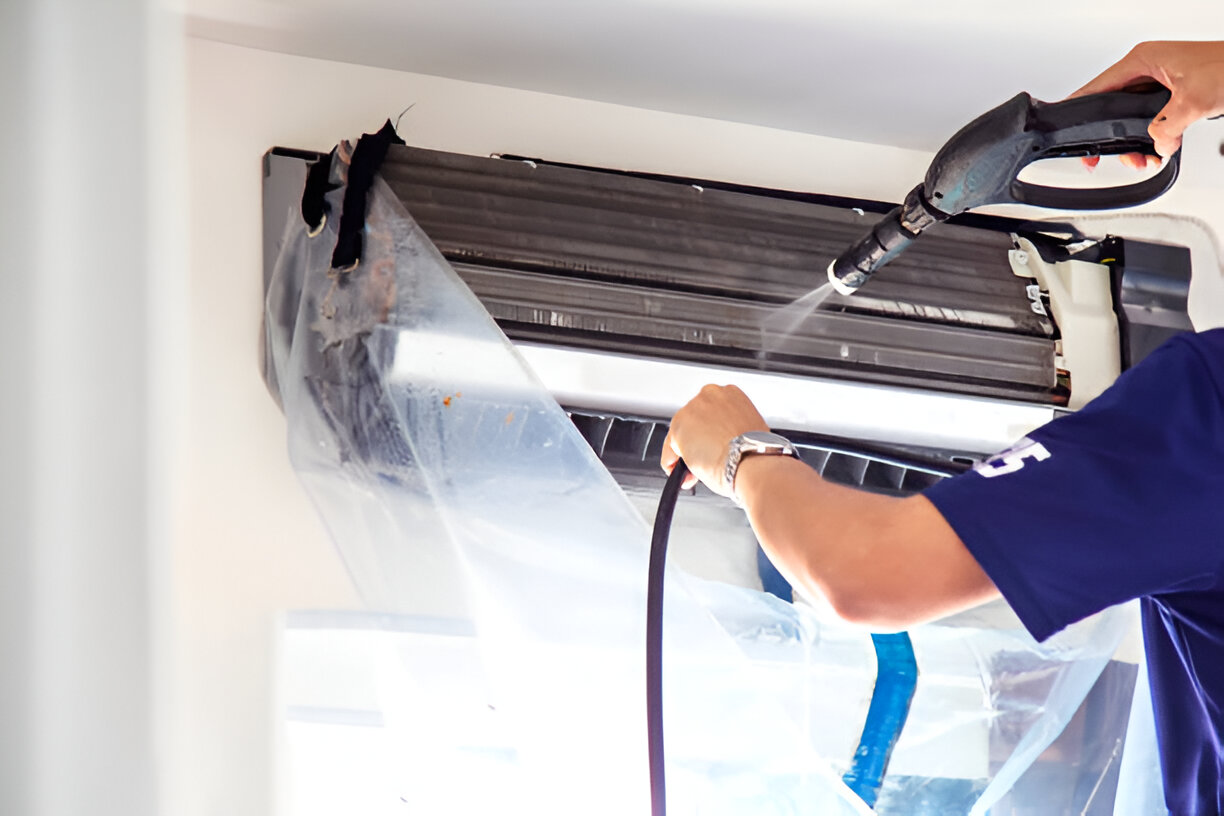
Why a mini-split tune up matters in Lancaster, OH
Lancaster and central Ohio experience humid summers and freezing winter snaps. Those conditions increase wear on ductless heat pumps and mini-splits: pollen and spring tree debris clog filters, high summer humidity forces longer run times, and winter cycling can expose refrigerant or control issues. Regular tune ups restore peak performance, reduce energy waste, and extend the life of your system so your home stays comfortable year round.
Common mini-split issues in Lancaster, OH homes
- Reduced airflow or weak room-by-room comfort (often from dirty filters or obstructed indoor heads)
- Higher than normal energy use during humid summers
- Frost or ice on outdoor units in cold stretches
- Condensate leaks or water drips from indoor units
- Unusual noises or vibration from the compressor or indoor blower
- Thermostat or control malfunctions and communication errors between indoor and outdoor units
The step-by-step mini-split tune up checklist
A proper tune up follows a consistent, safety-first process. Technicians use diagnostic tools and visual inspections to confirm system health and address issues efficiently.
- Safety and system shutdown
- Confirm power is off at the disconnect before opening panels.
- Visual safety inspection of outdoor unit location and electrical components.
2. Clean and/or replace filters
- Remove, vacuum, and wash washable filters; replace disposable filters as needed.
- Recommend filter type and replacement frequency based on household conditions (pets, pollen).
3. Inspect indoor evaporator coils and fan assembly
- Check coils for dirt, mold or restricted airflow and gently clean if needed.
- Inspect and clean indoor blower wheel and motor housing.
4. Inspect outdoor condenser coil and fan
- Remove debris, leaves, and pollen buildup; straighten any bent fins to restore airflow.
- Check fan blade condition and clear obstruction around the outdoor unit.
5. Verify refrigerant pressures and system operation
- Measure operating pressures and temperatures to confirm correct refrigerant charge and system balance.
- Look for signs of leaks or abnormal pressure readings that require further diagnosis.
6. Test thermostats, remote controls, and communication links
- Confirm correct temperature response, mode switching (heat/cool/auto), and receiver/remote control operation.
- Verify zone settings and check for error codes in the system control board.
7. Inspect and clear condensate drain and pan
- Ensure drain lines flow freely; clear clogs and remove standing water to prevent leaks and mold.
- Confirm condensate pump operation if installed.
8. Tighten and inspect electrical connections
- Tighten terminal screws and connections; inspect contactors, capacitors, and wiring for signs of wear.
- Test voltage and current draw to ensure the compressor and fan motors are within safe operating ranges.
9. Check system controls and safeties
- Verify defrost cycle operation on heat pump models and check high/low pressure cutouts.
- Confirm system starts and stops correctly and runs through a complete cycle.
10. Performance verification and homeowner walkthrough
- Measure temperature split and airflow to confirm improved performance.
- Explain visible findings, recommended repairs, and routine homeowner maintenance steps.
Estimated service duration
- Single-zone mini-split tune up: typically 45 to 75 minutes.
- Multi-zone systems or complex installs: 90 minutes to 2.5 hours depending on number of indoor heads and accessibility.Technicians factor additional time for deeper coil cleaning, refrigerant leak location, or repair recommendations discovered during the tune up.
Expected outcomes after a tune up
- Improved comfort and more consistent room temperatures across zones
- Restored airflow and faster recovery times when cooling or heating
- Measurable energy savings and reduced run times during peak summer or winter demand
- Reduced risk of mid-season failures and longer equipment life
- Clear condensate drains to prevent water damage and indoor air quality issues
When a tune up should lead to additional repairs
A tune up will identify but not always correct mechanical problems that need parts or further diagnostics. Common follow-ups include:
- Refrigerant leak repair and recharge if pressures are low
- Motor, compressor, or fan replacements when components show abnormal current draw or failure signs
- Control board or communication module replacement for persistent error codesTechnicians will outline findings and prioritize necessary repairs based on safety, performance impact, and cost-effectiveness.
Seasonal recommendations for Lancaster homeowners
- Spring (March–May): Ideal time for a cooling tune up before humid summer demand. Spring service removes winter debris, clears pollen buildup, and verifies refrigerant and defrost functions.
- Early Summer (June): If your mini-split will see heavy daily use, a fresh filter and quick pre-season check in June can prevent early-season strain.
- Fall (September–November): Schedule a heat-mode tune up before cold spells. Verify defrost cycles and electric heat backup if equipped.
- Winter checks: For homes relying on ductless heat through milder winter periods, monitor outdoor unit clearances and ice buildup; schedule service if heating performance drops or the unit cycles excessively.
Homeowner upkeep between professional tune ups
- Clean or replace filters every 1–3 months; more often during peak pollen season or with pets.
- Keep the outdoor unit free of leaves, mulch, and snow; maintain a 2–3 foot clearance around it.
- Wipe indoor heads and ensure nothing blocks airflow from the fins.
- Monitor for water pooling, strange odors, or new noises and note the date and conditions when they occur to help diagnostics.
Regular mini-split tune ups in Lancaster, OH are an efficient way to protect comfort, control operating costs, and avoid inconvenient failures. Seasonal attention combined with a professional checklist-based service ensures your ductless system keeps delivering the performance Lancaster homes need through humid summers and cold snaps.
Hot Deals & Cool Savings

.webp)
New Service Agreement Membership
.webp)
Any New Client Service
Next Service for Referring a New Client
New Service Agreement Membership
Any New Client Service
Next Service for Referring a New Client
.webp)
.webp)

Service Areas
