
Mini Split Repair in Lancaster, OH
Lancaster, OH mini split repair experts diagnose and fix compressor, refrigerant, electrical issues with trusted service and fast response. Schedule your repair today.

Mini Split Repair in Lancaster, OH
Ductless mini-split systems are a popular, efficient option for Lancaster, OH homes—especially older houses or additions without existing ductwork. When a mini-split stops cooling or heating reliably, the problem can be simple (a clogged filter) or complex (a failing compressor).
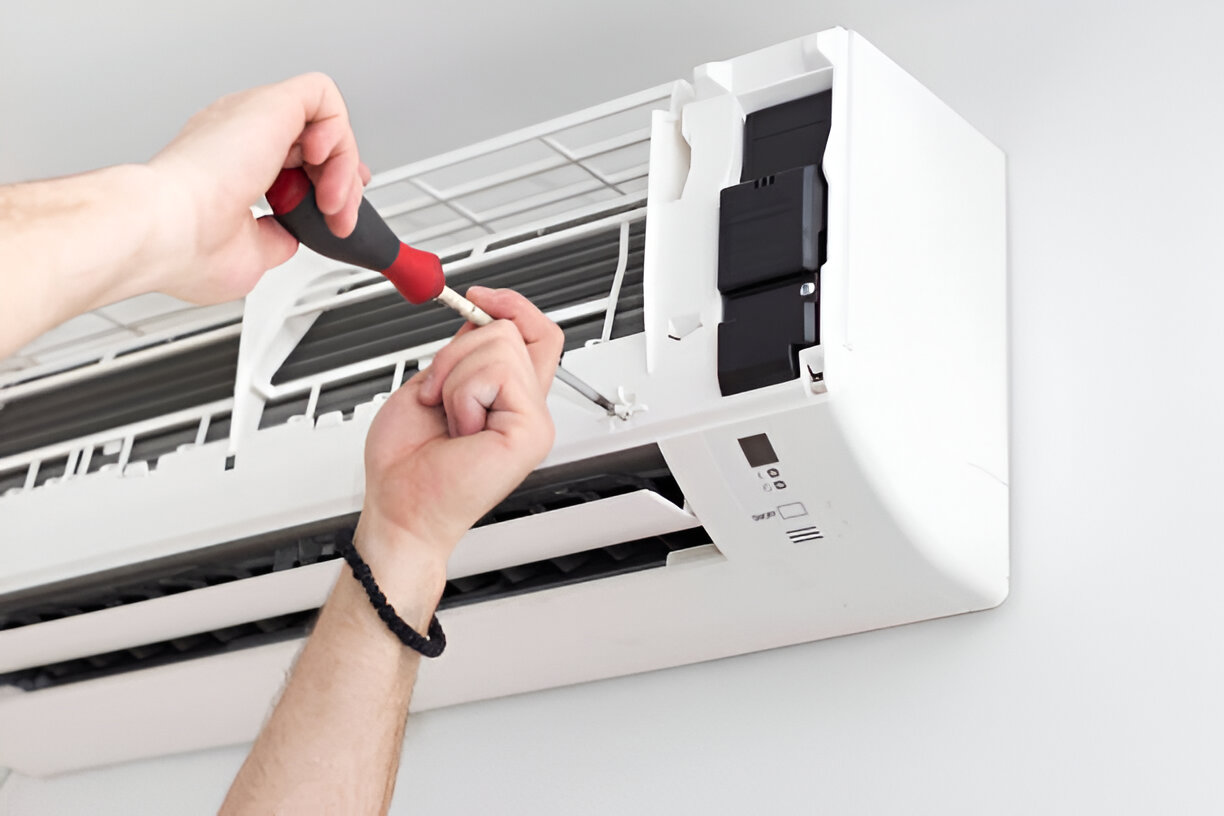
Why mini-splits fail in Lancaster homes
Lancaster’s humid summers and cold winters create stressors that contribute to mini-split problems. Typical local factors include:
- High summer humidity that promotes condensate drainage problems, coil icing, and microbial growth.
- Frequent temperature swings that cause thermal cycling and refrigerant migration, stressing compressors.
- Older homes and retrofits where improper electrical sizing or line-set routing can cause performance and reliability issues.
- Seasonal debris (leaves, pollen) around outdoor units that restrict airflow.
Common mini-split faults we diagnose
Most service calls fall into a handful of categories. Knowing the symptoms helps homeowners understand what a technician will check.
- Compressor issues: Unit won’t start, loud or unusual noises from the outdoor unit, or very low cooling output. Often caused by motor failure, electrical damage, or long-term refrigerant problems.
- Refrigerant leaks: Reduced cooling capacity, frosting on evaporator or indoor coil, or pressure imbalances detected during testing.
- Electrical failures: Tripped breakers, burned terminal blocks, failed capacitors, or damaged control boards (PCBs).
- Sensor and thermostat problems: Erratic cycling, inaccurate temperature readings, or error codes caused by failed room sensors or wireless thermostat faults.
- Airflow and drainage problems: Weak airflow from indoor heads, clogged filters, blocked condensate drains, or failing condensate pumps.
- Fan motor and blower failures: Reduced indoor or outdoor airflow, vibration, or loud operation.
Diagnostic process — what to expect
A systematic, noninvasive diagnostic approach locates the root cause and avoids unnecessary parts replacement:
- Visual inspection of indoor and outdoor units for debris, damage, wiring issues, and filter condition.
- Electrical checks: Verify voltage, current draw, capacitor and relay function, and control board status.
- Refrigerant system testing: Measure operating pressures and temperatures; use electronic leak detection if pressures are low.
- Airflow assessment: Check blower operation, static pressure, and temperature split across the evaporator coil.
- Error code review and sensor checks: Read fault codes and test room sensors and thermostats for correct operation.
- Drain and condensate inspection: Confirm proper condensate flow, clean traps, and test condensate pump operation if installed.
- Report and recommendations: Clear explanation of findings, repair options, and long-term considerations (repair vs replace), including parts likely needed.
Typical repair procedures and parts used
Repairs are matched to the diagnosis and prioritize restoring safe, efficient operation with durable components.
- Compressor replacement: Involves recovering refrigerant, removing the outdoor compressor, brazing a new compressor, evacuating the system, and charging to proper refrigerant level. Also includes oil balancing and system leak-check.
- Refrigerant leak repair: Locate leak with electronic detector or dye, repair or replace damaged line sets or fittings, evacuate and recharge system to manufacturer specifications.
- Electrical repairs: Replace capacitors, contactors, fuses, relays, or control boards; correct wiring and tighten connections; install surge protection where needed.
- Sensor and thermostat fixes: Replace faulty temperature sensors, recalibrate or swap wall controllers, or update wireless control modules.
- Fan and motor service: Replace failed fan motors, bearings, or blower assemblies; rebalance fans and confirm airflow.
- Drain and condensate work: Clear lines, replace traps, install or service condensate pumps, and clean drainage pans to prevent mold and overflow.
- Coil and indoor unit service: Clean or repair indoor evaporator coils; replace damaged evaporator fins or fan assemblies when required.
All refrigerant handling follows appropriate environmental and safety rules, and technicians document pressure and temperature readings before and after repair.
Emergency and after-hours repair options
Mini-split failures can leave living spaces uncomfortable or lead to water damage from condensate backups. Emergency/after-hours repair availability in Lancaster typically includes:
- Rapid triage of calls outside normal business hours to assess whether the issue is a safety concern, water leak, or total system failure.
- Prioritization for overheating, water intrusion, or complete loss of climate control during extreme temperatures.
- Temporary measures (draining condensate lines, resetting electrical components, or isolating failing circuits) to stabilize the system until full repairs can be completed.
Expected response times and service windows
Response depends on severity and local demand:
- For non-emergency diagnostics, most Lancaster service calls are scheduled within one to three business days.
- For urgent failures that affect safety, cause water damage, or occur during extreme heat or cold, same-day or next-available emergency response is common.Response times will vary seasonally—peak summer and winter periods typically have longer waits.
Warranty and service coverage
Warranties vary by manufacturer and service provider:
- Manufacturer warranties: Compressors and major components often carry multi-year manufacturer warranties (commonly 5 to 10 years on compressors for many brands); smaller parts and electronics may have shorter terms.
- Workmanship/service warranties: Service providers typically offer a workmanship warranty on repairs (common ranges are 90 days to one year). This covers labor associated with the completed repair.
- Maintenance plans: Regular maintenance agreements can include benefits such as extended service guarantees, preferential scheduling, 24-hour emergency service, and parts discounts. Always check the specific terms and exclusions for refrigerant, parts, and labor.
When repair is the right choice — and when to consider replacement
Repair is appropriate when a single component fails on a relatively new or well-maintained system, or when the cost of the repair is low relative to remaining equipment life. Consider replacement when:
- The unit is older than its expected service life and experiencing repeated failures.
- The compressor has failed on an older unit and long-term reliability is a concern.
- The system uses phased-out refrigerant that complicates repair and future servicing.A technician’s diagnostic report should include longevity and efficiency considerations to help make that decision.
Preventive tips to reduce future breakdowns
Regular maintenance and simple homeowner actions significantly reduce emergency repairs:
- Clean or replace indoor filters every 1 to 3 months during heavy use.
- Keep outdoor units clear of leaves, grass, and snow; ensure 2 to 3 feet of clearance for airflow.
- Schedule seasonal tune-ups: refrigerant checks, electrical inspections, and condensate line cleaning.
- Avoid frequent on/off cycling; use setback schedules or smart controls that respect system run cycles.
- Watch for early warning signs: unusual noises, reduced airflow, ice build-up, or error codes—addressing these early prevents larger failures.
Mini-split repair in Lancaster, OH requires both precise diagnostic work and knowledge of local climate stresses. Proper diagnosis, quality parts, and routine maintenance restore performance and extend system life while minimizing future disruption to your comfort.
Hot Deals & Cool Savings

.webp)
New Service Agreement Membership
.webp)
Any New Client Service
Next Service for Referring a New Client
New Service Agreement Membership
Any New Client Service
Next Service for Referring a New Client
.webp)
.webp)

Service Areas
