
Mini Split Tune-Up in Hilltop, OH
Mini Split Tune-Up in Hilltop, OH to boost efficiency, prevent mid-season failures, and improve comfort. Learn more and schedule today.

Mini Split Tune-Up in Hilltop, OH
A properly tuned mini-split keeps your home comfortable year-round, lowers operating costs, and prevents inconvenient breakdowns. In Hilltop, OH, where humid summers and cold winters put variable demand on ductless systems, a thorough mini-split tune-up addresses both seasonal stress and neighborhood-specific challenges like urban dust, pollen, and limited outdoor-unit clearance.
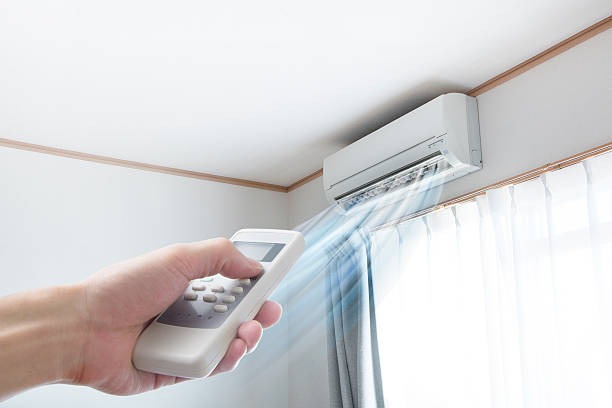
Why a mini-split tune up matters in Hilltop, OH
Hilltop’s climate demands reliable heating and cooling across wide temperature swings. Mini-splits (ductless heat pumps) are efficient, but performance declines without routine care. Regular tune ups:
- Restore rated efficiency and steady zone-level comfort
- Reduce the risk of mid-season failures during heat waves or cold snaps
- Extend equipment life by preventing wear from dirty coils or incorrect refrigerant levels
- Improve indoor air quality by ensuring filters and drain lines are clean
Common mini-split problems in Hilltop homes
Technicians servicing Hilltop households frequently encounter:
- Restricted airflow from clogged washable or replaceable filters due to dust and pollen
- Reduced heat/cool capacity from low refrigerant or incorrect refrigerant pressures
- Outdoor unit obstructions (leaves, grass, snow/ice) limiting heat exchange
- Thermostat or sensor drift causing temperature swings between zones
- Condensate drain clogs producing water leaks or indoor humidity issues
- Aging electrical components (capacitors, contactors) that struggle during extreme temperatures
What a complete mini-split tune up covers
A professional tune up follows a checklist to systematically restore performance and detect underlying issues. Typical items include:
- System cleaning
- Clean indoor air-handling units: blower wheel, evaporator coil surface, grille, and filters
- Clean outdoor condenser coil and remove debris around the unit to ensure proper airflow
- Refrigerant pressure check
- Measure system pressures and temperatures under operating conditions
- Verify refrigerant charge is within manufacturer specifications and note any anomalies
- Airflow testing
- Test airflow at each indoor head and across the system
- Inspect and adjust fan speeds and vane positions for balanced zone delivery
- Thermostat and sensor calibration
- Verify remote thermostat/sensor readings against actual temperatures
- Recalibrate controls and ensure sleep/eco modes function properly
- Leak inspection
- Visual and electronic checks of line sets, fittings, and service ports for refrigerant leaks
- Inspect insulation on suction line and repair or replace deteriorated insulation
- Electrical and mechanical inspection
- Check wiring, fuses, contactors, and capacitors for wear or overheating
- Test compressor start/stop cycles and measure voltage and amperage
- Condensate and drainage
- Clear drain lines, check traps and pans for proper drainage and clean as needed
- Apply preventative treatments to reduce future clogs when appropriate
- Performance verification
- Measure delta-T (temperature split) and system runtime to confirm restored capacity
- Provide a written summary of observations and recommended repairs or upgrades
How long a tune up takes
Time varies by system size and number of indoor heads. Typical windows:
- Single-zone mini-split: around 60 minutes
- Multi-zone systems (2–4 heads): 90–150 minutes
- Larger systems or units with identified issues may need additional time for diagnostics or repairs
Technicians commonly complete the standard checklist within these ranges and will note any extra time needed for repairs or part replacements.
Expected performance improvements and energy savings
After a full tune up, most homeowners notice:
- Faster recovery to setpoint temperatures and more consistent zone comfort
- Improved airflow and humidity control, especially important in Hilltop’s humid summers
- Reduced runtime and lower energy consumption — industry experiences commonly show measurable improvement in efficiency after cleaning and proper charge verification (often in the low to mid double-digit percentage range depending on baseline condition)
- Fewer short cycles and reduced strain on the compressor, which extends equipment life
Exact savings depend on system age, prior maintenance history, and usage patterns, but routine tune ups help avoid larger, costlier failures later.
Recommended frequency
- Seasonal checks (twice a year): Best practice is a tune up in spring before cooling season and in fall before heating season. This is especially helpful in Hilltop where both extremes are common.
- Annual minimum: If twice yearly is not feasible, an annual tune up still provides critical preventive maintenance.
- Higher frequency: Homes with heavy use, pets, smokers, or high dust loads may benefit from more frequent filter cleanings and inspections.
Typical repairs discovered during tune ups (and what they mean)
- Refrigerant leak repair and recharge: Restores capacity; leak must be repaired before adding charge
- Fan motor or capacitor replacement: Eliminates weak airflow or intermittent operation
- Thermostat/sensor replacement: Corrects inaccurate temperature control and cycling issues
- Drain line repair or condensate pan cleaning: Prevents water damage and reduces indoor humidity problems
- Line set insulation replacement: Prevents energy loss and sweating on cold lines
Technicians will prioritize safety and system integrity, providing clear notes on necessary repairs and the expected impact on performance.
How to prepare and what to provide when scheduling service
When arranging a tune up, having the following information available streamlines the visit:
- Make, model, and approximate age of mini-split indoor and outdoor units
- Number of indoor heads/zones and their locations in the home
- Recent performance issues or error codes observed on unit displays
- Accessibility notes (locked areas, pets, narrow yards, or tight outdoor unit clearances)
- Preferred days/times and any restrictions for technicians entering the home
This information helps ensure the technician brings the right tools and allocates appropriate time for a thorough tune up.
Hot Deals & Cool Savings

.webp)
New Service Agreement Membership
.webp)
Any New Client Service
Next Service for Referring a New Client
New Service Agreement Membership
Any New Client Service
Next Service for Referring a New Client
.webp)
.webp)

Service Areas
