
Mini Split Replacement in Hilltop, OH
Mini Split replacement in Hilltop, OH with expert sizing, safe refrigerant handling, and professional installation. Learn more today for lasting comfort and efficiency.

Mini Split Replacement in Hilltop, OH
Aging or heavily damaged mini-split systems can leave Hilltop homes uncomfortable, costly to operate, and unreliable when you need heating or cooling most. Replacing a full mini-split system is more than swapping hardware - it is an opportunity to right-size equipment, upgrade to more efficient technology, resolve underlying issues like refrigerant leaks or mismatched capacity, and restore dependable year-round comfort in a neighborhood where hot, humid summers and cold Ohio winters both matter.
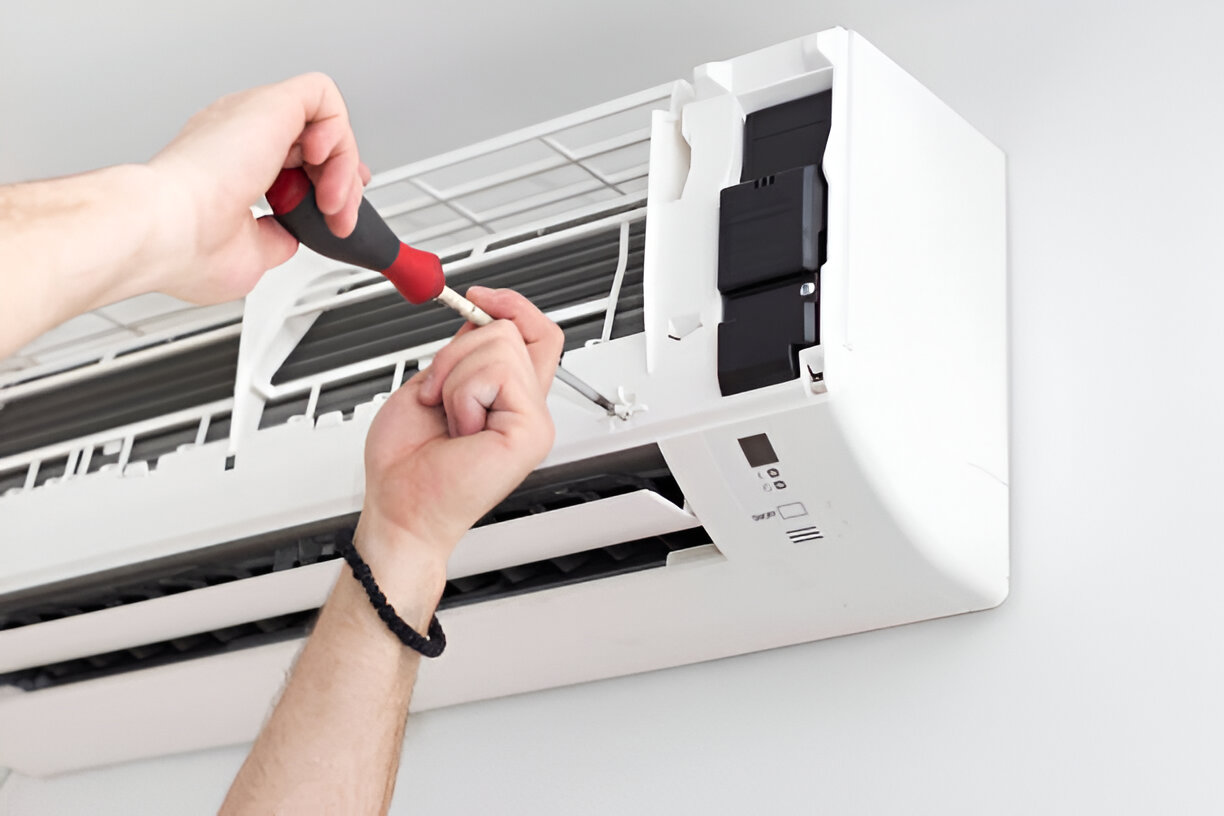
Common signs you need a full mini-split replacement in Hilltop
- System age over 10-15 years - Older units lose efficiency and may use phased-out refrigerants or parts that are no longer available.
- Frequent compressor or electrical failures - Repeated major repairs often mean replacement is more cost-effective long term.
- Persistent refrigerant leaks - Repaired repeatedly, leaks indicate compromised components or coils that justify a full replacement.
- Rising energy bills and poor performance - If the unit cannot keep rooms comfortable or runs constantly, it may be undersized or failing.
- Indoor comfort problems - Uneven heating/cooling, excessive noise, or persistent humidity issues can signal system-level problems.
- Parts no longer available - For discontinued models, replacement is the only realistic option to restore reliability.
What a full-system mini-split replacement includes
- Thorough evaluation of existing equipment and accessory systems, including ductwork (if any), wiring, and mounting locations.
- Load calculation and sizing recommendation based on home layout, insulation, window exposure, and Hilltop climate influences.
- Model recommendations focused on energy efficiency, appropriate capacity, and features like inverter-driven compressors and heat pump capability for winter heating.
- Safe removal and disposal of the old mini-split, including refrigerant recovery and recycling per Ohio regulations.
- Estimate and financing options presented before work begins, with clear scope and warranty information.
- Coordinated installation of indoor and outdoor units, electrical and refrigerant connections, and any required structural work.
- Manufacturer warranty registration and post-replacement performance testing to confirm the system meets specifications.
Replacement process - step by step
- On-site evaluation - Technician inspects existing mini-split, electrical panel, mounting locations, and indoor comfort issues; collects measurements for proper sizing.
- Load calculation - A Manual J style calculation determines the right capacity for each zone in your home to avoid oversizing or undersizing.
- Model selection and estimate - Recommended high-efficiency options are compared by SEER and HSPF ratings, inverter technology, and features like multi-zone capability. Financing options and warranty terms are reviewed.
- Scheduling and permits - Permits and local code compliance are confirmed as needed; installation is scheduled to minimize disruption.
- Removal and refrigerant recovery - Old equipment is disconnected, refrigerant recovered in compliance with EPA and Ohio rules, and components recycled or disposed of responsibly.
- Installation and connections - Indoor and outdoor units are mounted, refrigerant lines and electrical wiring installed, condensate drains routed, and system commissioned.
- System charging and testing - Technicians verify refrigerant charge, airflow, electrical load, thermostat calibration, and overall performance.
- Warranty registration and documentation - Manufacturer warranties are registered and the owner receives documentation and maintenance recommendations.
- Final walkthrough and post-replacement testing - A performance check confirms comfort levels, noise, and operation across modes (cooling, heating, defrost).
Sizing, efficiency, and model considerations for Hilltop homes
- Right-sizing matters: Older Hilltop homes may have varied insulation levels, window types, and room layouts. Correct sizing prevents short cycling or insufficient capacity.
- Heat pumps for year-round comfort: Choose a mini-split heat pump with adequate HSPF for reliable heating during colder Ohio months. Modern inverter-driven systems adjust output to match load and deliver better comfort with lower running costs.
- Efficiency ratings: Look for higher SEER (cooling) and HSPF (heating) values to reduce energy use during long cooling seasons and cold snaps. Higher efficiency yields measurable savings in humid summers.
- Low-GWP refrigerants and future-proofing: Newer models use refrigerants with lower global warming potential and improved efficiency. Selecting a current-spec refrigerant simplifies future service and compliance.
- Multi-zone vs single-zone: Multi-zone systems provide targeted comfort and can be more efficient for homes with distinct temperature needs across rooms.
Warranties, financing, and code compliance
- Manufacturer warranties typically cover compressors and major components for a set term; labor or installation warranties may be separate. Proper registration and adherence to installation guidelines preserve warranty coverage.
- Financing options are often available to spread replacement costs; homeowners should review terms before selecting equipment.
- Permits and licensing: Professional installation should meet local codes and be performed by licensed technicians familiar with Ohio refrigeration and electrical regulations. Proper refrigerant recovery and disposal practices are required by federal and state law.
Post-replacement testing and recommended maintenance
- Critical tests performed after installation: refrigerant charge verification (superheat/subcooling), airflow and static pressure checks, electrical amperage and voltage tests, thermostat calibration, and leak checks. Noise levels and vibration are also evaluated.
- Seasonal maintenance extends life: Annual tune-ups, regular filter changes, coil cleaning, condensate drain inspection, and electrical checks keep a mini-split running efficiently and protect warranties.
- Maintenance plans help prevent mid-summer or mid-winter failures and maintain manufacturer-required service records.
Hot Deals & Cool Savings

.webp)
New Service Agreement Membership
.webp)
Any New Client Service
Next Service for Referring a New Client
New Service Agreement Membership
Any New Client Service
Next Service for Referring a New Client
.webp)
.webp)

Service Areas
