
Mini Split Tune-Up in German Village, OH
Mini Split Tune-Up in German Village, OH ensures efficient performance and longer system life. Schedule your service today.

Mini Split Tune-Up in German Village, OH
Keeping your ductless mini split tuned and operating at peak performance is especially important for homes in German Village, OH. The neighborhood’s historic brick homes, compact yards, and the Columbus area’s humid summers and cold winters place unique demands on ductless systems. A proper mini-split tune-up reduces energy use, quiets noisy operation, and prevents the inconvenient mid-season breakdowns that are most painful in older, tightly packed houses.
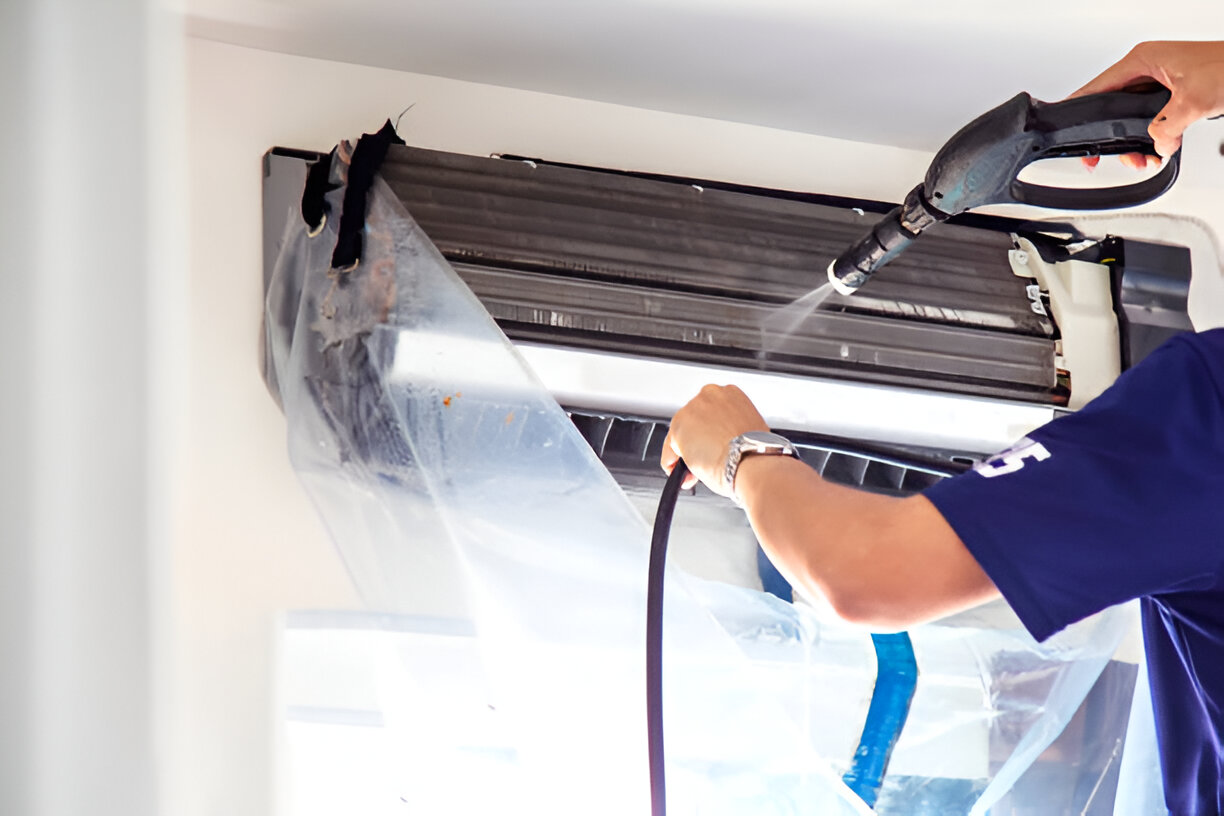
Why a focused mini-split tune up matters in German Village
- German Village homes often have limited outdoor unit clearance and exposed wall mounts, which leads to faster accumulation of dirt, pollen, and debris on outdoor coils.
- Columbus’ humid summers increase the risk of condensate clogs, microbial growth, and reduced cooling efficiency.
- Historic electrical panels and older wiring found in many homes require careful inspection to ensure safe connections and proper control voltages.
- Frequent on/off cycling in mixed-use homes or apartments stresses components; preventative checks catch issues before failure.
Common mini-split problems we see in the area
- Reduced cooling or heating capacity from dirty coils or clogged filters
- Noisy indoor heads caused by loose mounting, unbalanced fans, or worn bearings
- Water leaks from blocked condensate drains or improper drain routing
- Short cycling or erratic performance due to refrigerant leaks or control faults
- Electrical issues from corroded terminals or inadequate grounding in older houses
- Refrigerant loss and reduced efficiency after long service intervals
What a professional mini-split tune up includes (step-by-step checklist)
Every tune up follows a clear checklist so nothing is missed. Below is a typical sequence technicians use.
- Initial system inspection
- Visual check of indoor heads, line sets, outdoor unit, and mounting hardware
- Verify proper clearances around the outdoor condenser given German Village yard constraints
- Check indoor unit placement for airflow obstructions or debris
2. Filter and indoor cleaning
- Remove and clean reusable filters; replace disposable filters if present
- Clean indoor coil face and blower wheel access where possible
- Inspect and clean drain pans and condensate traps
3. Outdoor coil and cabinet cleaning
- Remove leaves, pollen, and debris from the outdoor coil and top cover
- Clean coil fins and straighten bent fins if needed to restore airflow
- Clear area around outdoor unit to ensure adequate ventilation
4. Performance testing
- Measure supply and return air temps to determine temperature split
- Check airflow volume at indoor heads and listen for abnormal noises
- Run the system in heating and cooling modes to verify consistent operation
5. Refrigerant and pressure checks
- Attach gauges to measure system pressures and compare to manufacturer specs
- Inspect for signs of leaks (oil traces, acid traps) and test for refrigerant loss if pressures are low
- Note: minor pressure deviations can indicate future failure; refrigerant repairs require refrigerant handling certification
6. Electrical, control, and safety verification
- Tighten electrical connections and inspect contactors, capacitors, and fuses
- Verify proper control voltages, thermostat/remote function, and safety switches
- Confirm grounding and breaker sizing, especially in older electrical systems
7. Lubrication and mechanical checks
- Lubricate fan bearings and motor shafts where serviceable
- Inspect mounting brackets and fasteners; secure any loose hardware to reduce vibration
- Balance fans and adjust as needed to reduce noise
8. Condensate and drainage verification
- Run water through drain lines to ensure free flow and no blockages
- Inspect and clean condensate pumps if present and verify float switch operation
9. Final documentation and recommendations
- Record measured pressures, temperatures, and any parts showing wear
- Recommend repairs or parts replacement where safety or performance is compromised
Expected outcomes after a tune up
- Improved energy efficiency and lower cooling/heating bills through restored airflow and correct refrigerant charge
- Quieter operation from tightened mounts, lubricated motors, and cleaned fans
- Fewer mid-season breakdowns due to early detection of worn capacitors, bearings, or leaks
- Better indoor air quality from clean filters and unobstructed drainage
- Extended equipment life by preventing strain from clogged coils or electrical faults
Estimated duration
- Most single-head mini-split tune ups take approximately 45 to 90 minutes.
- Multi-zone systems or units with difficult access typically take 2 to 4 hours depending on the number of indoor heads and the extent of cleaning required.
- If additional diagnostic work (leak detection or electrical troubleshooting) or parts replacement is needed, additional time may be required.
Cost considerations (what affects price)
Rather than a fixed number, tune-up cost depends on several factors:
- Number of indoor heads and zones served by the outdoor unit
- Condition of coils, filters, and drain lines (heavy cleaning or replacement raises time)
- Need for refrigerant leak detection or recharge
- Accessibility of units in tight German Village yards or on elevations
- Any discovered repairs (electrical parts, capacitors, motors, fan assemblies)
Recommended tune-up intervals for German Village homes
- Minimum: once a year for systems used primarily for cooling or heating
- Best practice: twice a year — spring (pre-summer) and fall (pre-winter) — for heat pump mini-splits that handle both heating and cooling. Twice-yearly service helps catch issues caused by heavy seasonal use and prepares the system for extreme temperatures.
- Monthly: inspect and clean or replace filters yourself during high-use months (summer and winter) to maintain airflow and indoor air quality.
Practical homeowner tips between professional tune ups
- Clean or replace filters every 1–3 months depending on use and indoor air conditions
- Keep outdoor units free of leaves, mulch, and snow; maintain at least 24 inches of clearance when possible
- Monitor indoor heads for dripping or unusual sounds and note any temperature inconsistencies
- Run the system briefly in the opposite mode (heat in summer or cool in winter) once a month to exercise components if the unit is idle for long periods
A properly performed mini-split tune up tailored to German Village conditions protects your investment, keeps older homes comfortable year-round, and reduces the chance of disruptive failures. Routine professional maintenance plus attentive seasonal care delivers the quiet, efficient operation ductless systems are designed to provide.
Hot Deals & Cool Savings

.webp)
New Service Agreement Membership
.webp)
Any New Client Service
Next Service for Referring a New Client
New Service Agreement Membership
Any New Client Service
Next Service for Referring a New Client
.webp)
.webp)

Service Areas
