
Mini Split Installation in German Village, OH
Mini split installation in German Village, OH delivers quiet comfort and energy efficiency. Schedule your installation today.

Mini Split Installation in German Village, OH
If you live in German Village, OH and are considering a ductless mini-split, a professional mini-split installation can deliver targeted comfort, quieter operation, and improved energy efficiency without ripping out historic walls or ductwork. German Village homes are often brick rowhouses with compact yards and unique interior layouts. That makes careful planning essential: the right installation minimizes visual impact, avoids masonry damage, and maximizes year-round heating and cooling performance in Columbuss humid summers and cold winters.
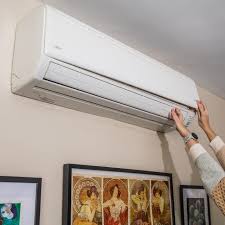
Why choose a mini-split for German Village homes
- Space constraints: Many homes have limited attic, basement, or basement-to-attic vertical space for duct runs. A ductless mini-split provides zoned climate control with only a small conduit to the exterior.
- Historic preservation: Minimal wall penetrations and flexible indoor unit styles (wall-mounted, low-profile, or ceiling cassette) let you maintain historic character.
- Heating performance: Modern mini-split heat pumps perform efficiently down to low temperatures, helping with shoulder seasons and milder winter days in central Ohio.
- Lower disruption: Installation is faster and less invasive than full duct replacement, important for occupied homes or preservation rules.
Common mini-split installation scenarios in German Village
- Single-room upgrade: Add conditioning to a finished attic, home office, bedroom, or sunroom without altering existing HVAC.
- Whole-home zoned solution: Multiple indoor units on one outdoor compressor for individualized temperature control.
- Conversion from window units: Replace noisy window ACs with quiet, efficient indoor heads.
- Basement or addition comfort: Improve comfort in finished basements or rear additions where ductwork is impractical.
Site evaluation: what a technician will inspect
A thorough pre-install evaluation ensures the system is sized and sited correctly. Expect inspection of:
- Room-by-room layout, window orientation, and insulation levels.
- Exterior space for the outdoor condenser: accessibility, clearances, and vibration isolation.
- Indoor wall locations, drywall or plaster condition, and preferred indoor head placement to avoid architectural damage.
- Electrical panel capacity and available circuit breaker space.
- Possible routing for refrigerant lines, condensate drain, and low-voltage wiring with the fewest masonry penetrations.
Load calculations and system sizing
Accurate sizing is critical. Technicians use Manual J style load calculations adapted for mini-splits to account for:
- Square footage and ceiling height.
- Insulation levels, window types, and solar gains common to German Village rowhouses.
- Occupancy and typical internal heat gains.Oversized units can short-cycle and reduce dehumidification; undersized units won't meet comfort goals. The goal is balanced capacity for efficient heating and cooling all year.
Recommended indoor and outdoor unit placement
Placement choices affect comfort, noise, and aesthetics.
- Indoor units: Typically mounted high on an interior wall for even air distribution. In historic rooms, consider hi-wall units placed above doorways, or low-profile/flush-mount cassettes for minimal visual impact.
- Outdoor unit: Locate on the rear or side yard where permitted, with firm vibration isolation pads and at least minimal airflow clearance. Rooftop or balcony placements require structural consideration and secure mounting.
- Line-set routing: Aim for a single small penetration through an exterior wall or basement level to reduce masonry repair and historic façade impact.
Electrical and refrigerant work
Proper electrical sizing and safe refrigerant handling are essential.
- Electrical: Mini-splits need a dedicated circuit and appropriately sized disconnect. Confirm the main panel has capacity or plan for a subpanel if needed.
- Refrigerant: Certified technicians will evacuate, charge, and leak-test the refrigerant circuit according to manufacturer specs. Modern systems often use R-410A or other approved refrigerants — proper charging is required for rated performance.
- Condensate management: Install an accessible condensate drain or condensate pump if the indoor unit cannot gravity drain outside.
Permit requirements and inspections
German Village lies within Columbus, so local permits and code compliance apply. Typical requirements include:
- Mechanical or HVAC permit for new equipment installation.
- Electrical permit for new circuits and disconnects.
- Possible historic district considerations for exterior equipment placement or visible penetrations.Permits ensure systems meet safety and performance codes and often require an inspection after installation and before final approval.
Post-installation testing and commissioning
A professional installation includes detailed testing and commissioning:
- Leak tests and refrigerant charge confirmation.
- Electrical checks: voltage, amps, and correct breaker sizing.
- Airflow verification and temperature split checks across the indoor unit.
- Programming and demonstrating thermostat or remote controls, including zoning, scheduling, and energy-saving modes.
- Customer walk-through explaining operation, timers, filter access, and basic troubleshooting.
Expected project duration
Project length varies by scope:
- Single indoor head installation: typically 4 to 8 hours on-site for experienced crews, including setup and commissioning.
- Multi-zone systems or complex routing through historic walls: 1 to 3 days depending on access, structural work, and permit inspections.
- Add time for permit approval or special restoration work to match brick or masonry finishes.
Maintenance tips to ensure optimal performance
- Clean or replace filters every 1 to 3 months depending on use and indoor air quality.
- Schedule annual maintenance that includes coil cleaning, electrical checks, refrigerant verification, and condensate drain inspection.
- Keep outdoor unit clear of debris, snow, and overgrowth; in German Village, plan for snow clearance in winter and periodic leaf removal in fall.
- Use the system’s scheduling features to avoid unnecessary runtime and to maintain humidity control during Columbus summers.
Benefits of proper installation in German Village
A correctly installed mini-split yields:
- Improved comfort and zoned control without major ductwork.
- Energy savings from efficient inverter-driven compressors.
- Reduced noise and better indoor air quality versus window units.
- Minimal impact to historic interiors when planned with sensitivity to finishes.
A mini-split installation in German Village, OH requires technical accuracy plus an understanding of historic home constraints and local climate demands. With the right site evaluation, accurate load calculations, careful placement, compliant electrical and refrigerant work, and a thorough commissioning process, a ductless system can provide efficient, customized comfort while preserving the character of your home.
Hot Deals & Cool Savings

.webp)
New Service Agreement Membership
.webp)
Any New Client Service
Next Service for Referring a New Client
New Service Agreement Membership
Any New Client Service
Next Service for Referring a New Client
.webp)
.webp)

Service Areas
