
Mini Split Tune-Up in Brice, OH
Mini Split tune-up service in Brice, OH ensures efficient, quiet operation. Learn more about inspection, common issues, and maintenance.

Mini Split Tune-Up in Brice, OH
A professional mini-split tune up in Brice, OH keeps your ductless system running reliably, efficiently, and quietly through the humid Ohio summers and cold winters. Regular tune ups identify small issues before they become major failures, restore design performance, and help protect indoor comfort in smaller village homes and nearby Columbus-area properties where seasonal humidity and pollen can strain equipment.
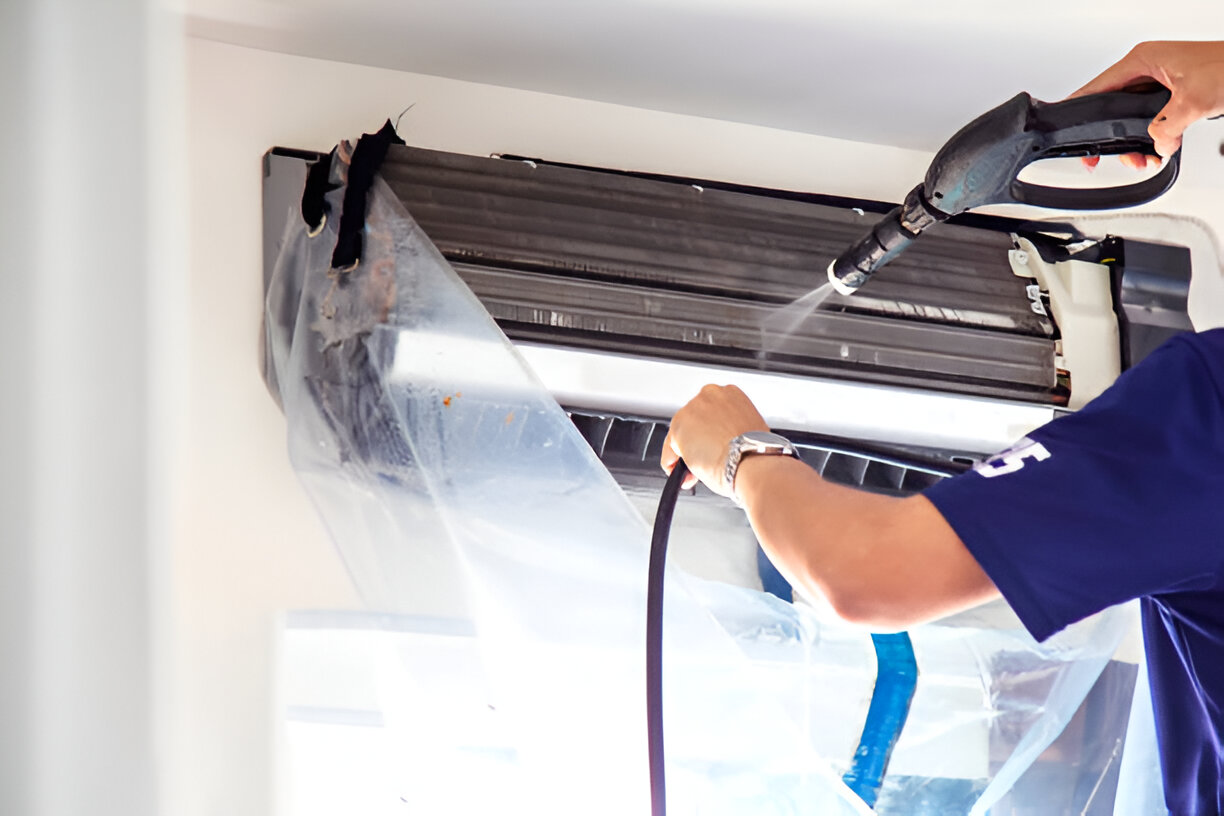
What a Complete Mini-Split Tune Up Includes
A full tune up for a ductless mini-split system covers the major components that affect cooling, heating (for heat-pump models), safety, and efficiency. A technician will typically:
- Inspect and clean indoor air filters to restore airflow and indoor air quality.
- Clean indoor and outdoor coils (evaporator and condenser) to improve heat transfer and reduce run times.
- Check refrigerant pressures and temperatures to confirm proper charge and system balance.
- Test electrical components and connections (contactors, capacitors, fuses, breakers) for wear, corrosion, and safe operation.
- Verify airflow and blower motor operation, measuring static pressure or airflow where needed to ensure even room performance.
- Calibrate controls and thermostat/remote sensors so setpoints match actual room temperatures.
- Inspect drain lines and condensate pans for clogs or leaks that can cause water damage or mold.
- Evaluate outdoor unit condition (fan motor, fins, mounting) for debris, damage, or settling that reduces efficiency.
- Run system performance checks in heating and cooling modes and document operating temperatures, pressures, and any diagnostic fault codes.
- Note recommended minor repairs or parts that may soon need replacement, and provide clear documentation of findings and prioritized recommendations.
Common Mini-Split Tune-Up Issues in Brice, OH
Mini-splits in Brice face a few predictable challenges based on local climate and home styles. Technicians often see:
- Clogged or dirty filters and indoor coils from pollen and springtime blooms that reduce airflow and indoor air quality.
- Reduced cooling capacity in humid summer months due to dirty outdoor coils or low refrigerant charge.
- Intermittent operation or fault codes caused by corroded electrical connections from seasonal moisture and temperature swings.
- Drain-line clogs and algae growth in humid months leading to overflowing drip pans.
- Sensor or thermostat drift causing short cycling or temperature overshoot in tight village homes.
- Outdoor unit debris, vegetation encroachment, or ice/dirt accumulation after winter that limits airflow.
Diagnostic Process — What the Technician Will Do
During a tune up the technician follows a systematic diagnostic sequence to find root causes, not just symptoms:
- Visual inspection of indoor and outdoor units for damage, cleanliness, and installation issues.
- Filter and coil access: Remove and clean filters; inspect and, if necessary, use coil cleaning solutions and rinsing to remove build-up.
- Refrigerant system check: Attach gauges and temperature probes to measure suction/discharge pressures and superheat/subcooling. These readings determine whether the system is properly charged.
- Electrical and control testing: Measure voltages and currents, test capacitors and relays, and check wiring connections for tightness and corrosion.
- Airflow verification: Check blower operation and louvers, and measure room temperature differentials to confirm adequate supply and return air.
- Drainage test: Flush condensate lines and check traps and pans for proper drainage.
- Operational run test: Run the unit through heating and cooling cycles, observe compressor and fan operation, and record performance values and any fault codes.
- Report and recommendations: Provide a written summary of findings, including any safety concerns, items needing attention now, and suggestions to avoid future issues.
Typical Minor Repairs Found During Tune Ups
A tune up often uncovers small issues that, if corrected promptly, stop larger failures later. Common items include:
- Replacing clogged disposable filters or recommending washable filter maintenance.
- Tightening or replacing corroded electrical connectors.
- Replacing worn capacitors or relays that cause hard starts or intermittent operation.
- Flushing or re-routing condensate lines to prevent water leaks.
- Straightening outdoor fins and cleaning condenser fan blades to restore airflow.
- Replacing low-voltage control wires or remote sensors that cause communication errors.
Documenting these items during the tune up helps prioritize repairs that protect performance and reliability.
Expected Duration and Recommended Frequency
A standard single-zone mini-split tune up typically takes about 60 to 90 minutes for a complete inspection and cleaning if no significant repairs are required. Multi-zone systems require additional time proportional to the number of indoor heads. For most homes in Brice, OH, a tune up once a year is the minimum recommendation; many homeowners benefit from pre-summer inspections for cooling readiness and pre-winter checks for heat-pump systems to verify heating performance.
Performance and Efficiency Benefits of Regular Tune Ups
Regularly scheduled tune ups deliver measurable benefits that matter at the decision stage:
- Improved comfort: Restored airflow and calibrated controls reduce hot and cold spots and improve humidity control during humid Ohio summers.
- Lower energy use: Clean coils, correct refrigerant charge, and efficient controls reduce run times and household energy consumption.
- Fewer emergency repairs: Early detection of failing capacitors, refrigerant leaks, or electrical issues prevents mid-season breakdowns.
- Longer equipment life: Proper lubrication, tightened connections, and clean components reduce wear and extend compressor and motor life.
- Better indoor air quality: Clean filters and coils reduce dust, pollen, and biological growth that is common in central Ohio’s seasonal climate.
Simple Homeowner Maintenance Between Tune Ups
Homeowners in Brice can take a few easy steps to protect mini-splits between professional visits:
- Clean or replace filters monthly during heavy use seasons.
- Keep outdoor units free of leaves, grass clippings, and snow; maintain 2–3 feet of clearance.
- Keep indoor louvers and sensors unobstructed for accurate airflow and temperature sensing.
- Inspect drain lines for slow drainage and clear visible debris.
- Note and record any unusual noises, odors, or cycling behavior to report at the next service visit.
A professional tune up combined with basic homeowner care keeps your ductless mini-split delivering efficient comfort in Brice, OH while preventing costly mid-season failures. Regular maintenance is the best way to protect performance and indoor air quality year-round.
Hot Deals & Cool Savings

.webp)
New Service Agreement Membership
.webp)
Any New Client Service
Next Service for Referring a New Client
New Service Agreement Membership
Any New Client Service
Next Service for Referring a New Client
.webp)
.webp)

Service Areas
