
Mini Split Installation in Brice, OH
Mini Split installation in Brice, OH offers precise load calculations and efficient climate control; learn more and schedule a consult.

Mini Split Installation in Brice, OH
Keeping your Brice, OH home comfortable through humid summers and cold Ohio winters often means choosing a system that delivers efficient, zoned temperature control. A properly installed ductless mini-split provides targeted cooling and heating, lower operating costs, and flexible placement where traditional ductwork isn’t practical.
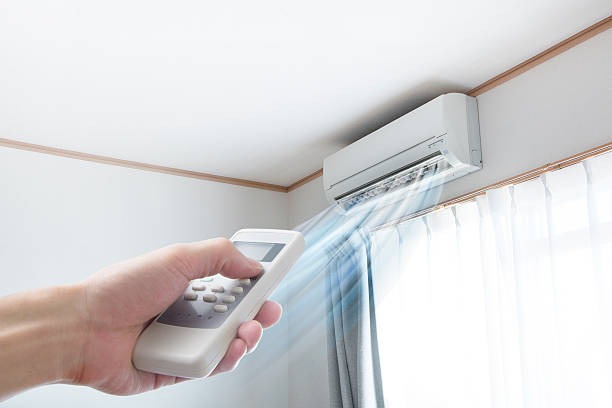
Why a mini-split is a practical choice for Brice, OH homes
- Brice’s hot, humid summers benefit from inverter-driven mini-splits that modulate capacity and control humidity better than window units.
- Ductless heat pump mini-splits also provide efficient supplemental heat in shoulder seasons, reducing reliance on aging furnaces.
- Smaller homes and additions common around Brice often lack existing ductwork, making mini-splits an ideal, low-impact solution.
Common mini-split installation types and issues in Brice, OH
- Single-zone systems: One outdoor unit paired with one indoor head for a single room or addition.
- Multi-zone systems: One outdoor unit with multiple indoor heads to control several rooms independently.
- Ductless heat pump vs. cooling-only models: Heat pumps provide year-round comfort; cooling-only units are limited to summer use.
- Common installation issues in Brice include undersized equipment, long line-set runs reducing efficiency, inadequate outdoor clearance during snowy winters, and improper electrical capacity for high-efficiency units.
Initial consultation and professional load calculation
- The process begins with an on-site consultation and a proper Manual J load calculation. This determines the correct BTU capacity for each zone by accounting for Brice-specific factors: local climate, insulation levels, window orientation, and typical occupancy patterns.
- A correct load calculation prevents oversizing (short cycling, humidity issues) and undersizing (poor comfort, higher energy use).
- During consultation, discuss where you want comfort zones, preferred indoor head styles (wall-mounted, floor-mounted, cassette), and any aesthetic or structural constraints.
Choosing indoor and outdoor unit placement
- Indoor heads should be located to deliver even airflow without blowing directly onto occupants; common places are high on interior walls, above doorways, or in living rooms and bedrooms.
- The outdoor condenser needs level, well-drained placement with adequate clearance for airflow, service access, and to minimize snow/drift interference in winter.
- Brice installations should consider proximity to prevailing wind and snowdrift patterns; placing the outdoor unit on a raised pad or bracket can prevent snow buildup and improve longevity.
Line-set and electrical work
- Refrigerant line-sets, condensate drain, and low-voltage wiring are routed through a small 2- to 3-inch hole in the wall and sealed for weatherproofing.
- For longer runs, line-set length and elevation differences must be within manufacturer limits to preserve efficiency and ensure proper refrigerant charge.
- Electrical work includes installing a dedicated circuit or disconnect per local code, verifying panel capacity, and protecting the system with the correct breaker size and surge protection if needed.
- Properly sized wiring and secure connections reduce voltage drop and protect compressor health, especially during Brice’s seasonal temperature extremes.
Refrigerant handling and testing
- Technicians must follow EPA Section 608 requirements for refrigerant handling and recovery. Field charging may be required for long line-sets; modern systems may come precharged for certain lengths.
- Leak testing with nitrogen, brazing with proper purging, evacuation with a vacuum pump, and a measured refrigerant charge (superheat/subcooling methods) ensure system reliability and performance.
- Refrigerant verification prevents under- or overcharging, which can cause poor performance, higher energy use, or premature compressor failure.
Commissioning and performance verification
- Commissioning involves running the system through heating and cooling cycles, measuring supply and return temperatures, checking airflow and noise levels, and verifying electrical loads.
- Technicians measure temperature splits, refrigerant pressures, and amp draws to confirm the system operates to manufacturer specifications under Brice’s typical ambient conditions.
- A proper commissioning checklist addresses defrost operation (for heat pumps), thermostat programming, and verifying that multiple indoor heads coordinate well in zone systems.
Permit and inspection considerations in Brice, OH
- Most installations require a mechanical or electrical permit from the local building authority (Brice is in Franklin County and follows county/city permitting). Permit needs vary by scope; the installer typically submits plans and schedules inspections.
- Inspections commonly cover refrigerant piping, electrical connections, and outdoor pad placement. Proper permits and inspections ensure safety, code compliance, and valid equipment warranties.
Post-installation homeowner orientation
- After final testing, homeowners receive an orientation covering system operation, remote or app controls, setting schedules for efficiency, and basic troubleshooting (filter access, error code basics).
- Technicians should show how to access and clean filters, how to clear the outdoor area of debris and snow, and how to monitor for common warning signs like unusual noises or drops in performance.
- Documentation provided should include model numbers, maintenance guidelines, and recommended seasonal checks tailored to Brice’s climate.
Tips for ensuring optimal long-term performance
- Clean or replace filters monthly or per manufacturer guidance to maintain airflow and indoor air quality.
- Keep at least 2 feet of clearance around indoor heads and 18–24 inches around the outdoor unit; remove leaves, grass, and snow promptly.
- Schedule annual or biannual professional maintenance: check refrigerant charge, electrical connections, and coil cleanliness to maximize life and efficiency.
- Use temperature setbacks and zoning features to reduce runtime during unoccupied periods, and avoid frequent rapid setpoint changes that cause cycling.
- In winter, ensure outdoor unit defrost cycles are operating correctly and maintain a clear path to the unit to prevent ice buildup.
Final note on value and expectations
A properly sized and installed mini-split in Brice, OH delivers targeted comfort, humidity control, and potential energy savings compared with older systems or window units. Expect a thorough pre-install assessment, correct permitting, precise refrigerant work, and a structured commissioning phase to protect performance and warranty. With routine care tailored to local weather and seasonal needs, a mini-split can provide reliable, efficient comfort for years.
Hot Deals & Cool Savings

.webp)
New Service Agreement Membership
.webp)
Any New Client Service
Next Service for Referring a New Client
New Service Agreement Membership
Any New Client Service
Next Service for Referring a New Client
.webp)
.webp)

Service Areas
