
Mini Split Service in Obetz, OH
Mini Split service in Obetz, OH: Comprehensive diagnostics, routine maintenance, repairs, and remote support to extend system life. Learn more about expert service.

Mini Split Service in Obetz, OH
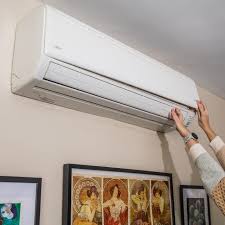
Mini-split systems (ductless split heat pumps and air conditioners) are a common and efficient choice for Obetz homes that need targeted comfort without ductwork. Proper service keeps a mini-split running quietly and efficiently through hot, humid Ohio summers and cold winters.
Why professional mini-split service matters in Obetz
Obetz’s humid summers and occasional cold snaps put extra stress on mini-split systems. High humidity increases condensate production and can clog drain lines and indoor coils faster than in drier climates. Winters can trigger long defrost cycles and increased run-times for heating. Timely, professional service ensures your system keeps comfortable indoor humidity, avoids ice buildup, and maintains efficient operation that lowers energy use and repair costs over time.
Common mini-split problems in Obetz homes
- Dirty or blocked filters and indoor coils causing reduced airflow and cooling capacity
- Clogged condensate drains and pan overflow from pollen, dust, and humidity
- Refrigerant leaks that reduce efficiency and can damage compressors if left unchecked
- Electrical issues: loose connections, failed capacitors, or damaged control boards
- Fault codes from sensors, fan motors, or communication errors between indoor and outdoor units
- Outdoor unit obstructions from leaves, grass, snow, or winter salt corrosion
- Remote control or Wi-Fi connectivity problems on newer smart models
Diagnostic visit: what a technician will check
A diagnostic visit identifies root causes and provides clear repair options. Typical diagnostic steps include:
- System history review and symptom confirmation (noise, reduced cooling/heating, leaks, error codes)
- Visual inspection of indoor and outdoor units for debris, physical damage, and drainage issues
- Airflow measurement and filter/coil inspection for dirt buildup
- Refrigerant pressure check and leak detection (if performance indicates low charge)
- Electrical tests: voltage, current draw, thermostat/remote signal, and control board checks
- Condensate drain test and pan inspection
- Functional run-test in heating and cooling modes to verify performance and note odd noises or vibrations
Technicians provide a clear, written diagnosis with prioritized repair and maintenance recommendations so you can make an informed decision.
Routine maintenance visits (recommended frequency and checklist)
Regular maintenance prevents most common issues and preserves efficiency. Recommended visits:
- Twice per year for heat-pump style mini-splits (spring/pre-summer and fall/pre-winter)
- Annual visit may be acceptable for single-season-use systems
Typical maintenance checklist:
- Clean or replace filters and inspect indoor coils
- Clean outdoor unit fins and clear surrounding vegetation or debris
- Inspect and flush condensate drain and pan
- Check refrigerant levels and inspect for leaks
- Tighten electrical connections and test capacitors and motors
- Verify correct airflow, thermostat calibration, and remote/Wi-Fi function
- Lubricate moving parts where applicable and perform a full operational test
- Document system condition and recommended future work
Repair services and common solutions
Repairs range from simple parts swaps to more complex component replacements. Common repairs include:
- Filter and coil cleaning to immediately restore airflow and capacity
- Condensate drain clearing and trap replacement to stop water damage
- Refrigerant leak repair and recharge with correct refrigerant type
- Replacing fan motors, blowers, or indoor unit fans that have failed
- Control board or PCB replacement for persistent communication or error-code issues
- Compressor replacement in severe failure cases or when units are aged beyond economical repair
- Sensor replacement (temperature or pressure sensors) to resolve cycling and imbalance issues
Technicians explain repair options, roughly estimated life expectancy after repair, and when replacement should be considered.
Remote troubleshooting — what can be done without a site visit
Many issues can be diagnosed or partially resolved remotely, which is convenient for urgent but simple problems:
- Walkthroughs to power-cycle the system and check breaker/fuse status
- Guidance on cleaning or resetting filters and verifying remote control settings
- Reading and interpreting error codes displayed on the indoor unit or app
- Firmware or connectivity troubleshooting for smart mini-splits
- Scheduling an on-site repair if remote steps confirm a mechanical or refrigerant issue
Remote support reduces downtime for simple fixes and prioritizes on-site visits for mechanical repairs.
Parts availability and typical inventory
Reliable service providers in the area maintain common parts on vans or in local inventory, including:
- Filters, condensate traps, and drain fittings
- Indoor fan motors, PCBs, and control modules
- Capacitors, relays, and sensors
- Expansion valves, service valves, and access fittings
- Common refrigerant types and leak-detection equipment
Having parts on hand reduces repeat trips and speeds repairs during peak Obetz seasons.
Membership and service-plan options for Obetz homeowners
Service plans tailored to mini-splits deliver consistent performance and predictable maintenance:
- Scheduled bi-annual inspections for heating and cooling seasons
- Priority scheduling during peak weather months
- Discounts on parts and labor for covered components
- Regular filter delivery or replacement options
- Documentation of service history (useful for resale value)
A service plan can extend equipment life, improve efficiency, and reduce unexpected repair costs—important in a climate with large seasonal swings.
How to extend mini-split life and keep it efficient
- Replace or clean filters every 1–3 months depending on use and pollen levels
- Keep the outdoor unit clear of leaves, grass, snow, and ice buildup
- Avoid covering the outdoor unit for long periods in winter; use a breathable cover only when advised
- Run both heating and cooling cycles seasonally to keep components lubricated and seals active
- Install surge protection to safeguard sensitive electronics from electrical spikes
- Address minor issues early: strange noises, decreased airflow, or higher energy bills often precede major failures
When to consider replacement
Replacement may be the most cost-effective option when:
- The system is over 12–15 years old with repeated compressor or major component failures
- Repairs approach a significant percentage of replacement cost
- The system uses phased-out refrigerants that are costly to service
- Efficiency and comfort needs have changed (e.g., home additions or significant insulation upgrades)
Professional service will provide a clear evaluation of repair versus replacement based on system age, repair history, and performance needs.
Hot Deals & Cool Savings

.webp)
New Service Agreement Membership
.webp)
Any New Client Service
Next Service for Referring a New Client
New Service Agreement Membership
Any New Client Service
Next Service for Referring a New Client
.webp)
.webp)

Service Areas
