
Mini Split Repair in Obetz, OH
Professional mini split repair in Obetz, OH restores comfort efficiently. Schedule fast, expert service to fix leaks, noise, or performance.

Mini Split Repair in Obetz, OH
Mini-splits are a common solution for Obetz homes that need efficient, zoned heating and cooling without ductwork. When a ductless system stops delivering comfort—whether it’s loss of cooling, noisy operation, or a refrigerant leak—quick, accurate mini-split repair in Obetz, OH protects your comfort, energy bills, and the system’s lifespan. Below is a clear, technician-focused guide to the problems you’re likely to face in this region, how pros diagnose them, typical on-site repairs and replacement parts, and what you can do to avoid repeat issues.
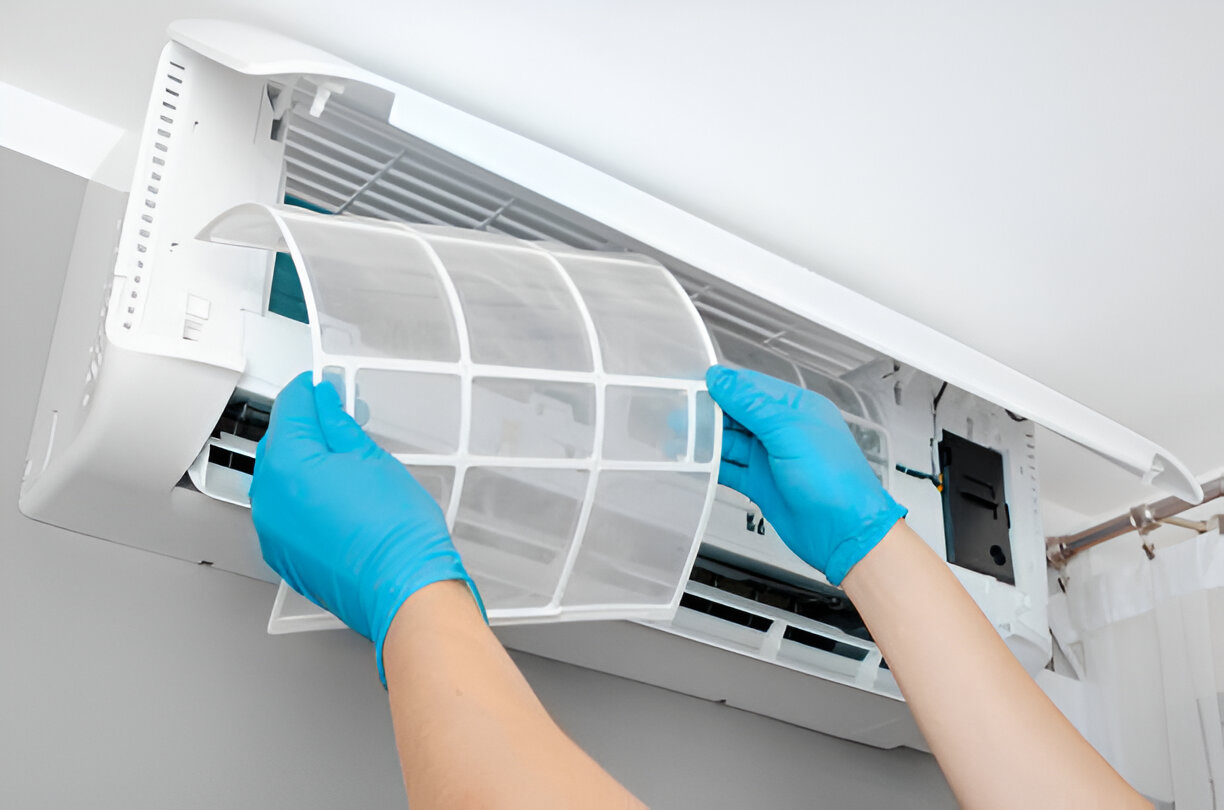
Common mini-split issues in Obetz, OH
- Loss of cooling or heating: Symptoms include weak airflow, room temperatures that won’t reach setpoint, or the unit running but not conditioning air. Causes range from dirty filters and clogged coils to compressor failure or control board faults.
- Refrigerant leaks: Low refrigerant shows up as reduced cooling capacity, ice on the evaporator coil, or hissing sounds near line sets. Leaks are often due to corrosion, line damage, or poorly brazed connections.
- Noisy operation: Rattles, grinding, or loud compressor sounds can come from broken fan bearings, loose panels, failing motors, or high refrigerant pressures.
- Electrical faults: Tripped breakers, intermittent operation, or error codes can indicate bad capacitors, failing control boards, damaged wiring, or voltage irregularities from the local grid.
- Drainage and condensation problems: High summer humidity in central Ohio can clog condensate drains, causing indoor water leaks or condensate pump failures.
- Frozen indoor coils: Often caused by restricted airflow or low refrigerant and more likely during humid spring/fall swings common near Columbus.
Local factors in Obetz—hot, humid summers and occasional severe storms—can accelerate wear on outdoor units, increase refrigerant system stress, and make timely repairs more urgent.
How technicians diagnose mini-split problems
A professional diagnosis follows a systematic approach:
- Initial inspection: Visual check of indoor and outdoor units, filters, coils, line sets, wiring, and mounting hardware. Look for signs of oil (refrigerant leaks), rust, or physical damage.
- Review error codes and system history: Many mini-splits store diagnostic codes—these narrow down the probable causes quickly.
- Electrical testing: Verify proper voltage, inspect capacitors, relays, and control boards, and measure motor current draw.
- Airflow and thermal checks: Measure supply/return temps, check fan operation and ductless head oscillation for proper airflow.
- Refrigerant diagnostics: Use gauges and electronic leak detectors; sometimes dye or ultrasonic tools are required for pin-pointing leaks.
- Condensate and drainage inspection: Confirm clear drain lines, functioning condensate pumps, and proper slope/installation.
- Report and estimate: Technicians explain findings, outline repair options, and provide a transparent estimate before performing work.
Technicians in Obetz typically document findings and share before-and-after photos to help homeowners understand the issue and the repair path.
Typical on-site repair procedures and parts replacement
Common repairs performed during a single visit include:
- Cleaning and filter replacement: Restores airflow and prevents coil freezing.
- Clearing condensate drains and replacing pumps: Stops indoor leaks and water damage.
- Tightening or replacing electrical components: Replace capacitors, relays, fuses, or terminal blocks to restore reliable operation.
- Fan motor or blower repairs: Replace bearings or motors when noisy or failing.
- Control board or remote receiver replacement: Fix intermittent or non-responsive controls.
- Refrigerant leak repair: Locate and repair the leak (brazing or line replacement), evacuate and vacuum the system, then recharge to factory-specified refrigerant charge following EPA regulations.
- Compressor replacement or outdoor unit swap: For severe mechanical failure, compressor replacement or full outdoor unit replacement may be necessary; these are larger jobs that can take more time due to refrigerant recovery and system brazing.
Technicians generally stock common parts—filters, capacitors, condensate pumps, fan motors—but major components like compressors, control boards, or outdoor units may need to be ordered. Proper recovery and disposal/reclamation of refrigerant is standard practice.
Expected response times and repair duration
- Response times: For urgent comfort failures during extreme heat or cold, many service teams prioritize same-day or next-day visits; non-emergency diagnostics are typically scheduled within a few business days. Local weather and parts availability influence scheduling.
- On-site repair duration: Minor fixes (filters, electrical tightening) often take 30–90 minutes. Refrigerant leak repairs, brazing and evacuation can take several hours. Major component swaps or multi-head system work may span multiple visits if parts must be ordered.
Cost factors to expect
Repair cost depends on:
- Scope of the problem (simple cleaning vs. compressor replacement)
- Parts required and whether OEM parts are needed
- System accessibility and complexity (multi-zone systems take longer)
- Refrigerant type and amount (older systems may use phased-out refrigerants requiring special handling)
- Diagnostic fee or trip charge, and whether the unit is under warranty
Warranties, remaining manufacturer coverage, and recorded maintenance history often reduce out-of-pocket costs.
Warranties and service guarantees
- Manufacturer warranties: Compressors and major components commonly carry multi-year warranties; parts often have shorter coverage. Always check the unit’s documentation and serial numbers.
- Service guarantees: Professional technicians typically back workmanship with a limited labor warranty (common ranges are 30–365 days). Ask for written documentation of any service warranty and keep invoices and diagnostic reports for warranty claims.
Keeping maintenance records and registering equipment with the manufacturer streamlines warranty work.
Prevention tips for Obetz homeowners
- Replace or clean filters every 1–3 months during heavy use seasons.
- Keep outdoor units clear of vegetation, lawn clippings, and debris—Obetz winds and summer storms can quickly bury condenser coils.
- Trim back plants to allow 2–3 feet of clearance for airflow and service access.
- Schedule seasonal tune-ups before summer and winter to verify refrigerant charge, electrical integrity, and drainage.
- Protect electrical supply with surge protection if your area experiences frequent power surges or outages.
- Use a maintenance agreement for priority scheduling and discounted emergency service during peak seasons.
What to do in a mini-split emergency
- Turn the unit off at the thermostat and shut off the dedicated circuit breaker if you detect burning smells, smoke, or visible electrical arcing.
- For water leaks, place towels or containers to limit water damage and avoid electrical contact with standing water.
- Do not attempt to repair refrigerant leaks or perform brazing on your own—these require certified technicians and proper EPA-handling equipment.
- Photograph the problem (error codes, visible damage) and note your system model and serial numbers for the technician.
Timely diagnosis and repair preserve system efficiency and avoid larger failures that are more costly to fix. Prompt attention to mini-split issues in Obetz, OH ensures reliable comfort through humid summers and cold winters and extends the life of your ductless system.
Hot Deals & Cool Savings

.webp)
New Service Agreement Membership
.webp)
Any New Client Service
Next Service for Referring a New Client
New Service Agreement Membership
Any New Client Service
Next Service for Referring a New Client
.webp)
.webp)

Service Areas
