
Mini Split Replacement in Clintonville, OH
Mini Split replacement in Clintonville, OH: learn when replacement is right, how it's sized and installed, and financing options. Schedule expert installation today.

Mini Split Replacement in Clintonville, OH
When a ductless mini-split system stops meeting your comfort or efficiency needs, replacement is often the most cost-effective long term solution. In Clintonville homes, where older building stock, shaded yards, and Ohio winters plus humid summers place varied demands on heating and cooling, choosing the right mini-split replacement improves comfort, lowers energy bills, and avoids repeated repair costs. Below is a clear, expert guide to recognizing replacement needs, how systems are evaluated and sized, what features to compare, how removal and installation work, and what performance improvements and financing paths to expect.
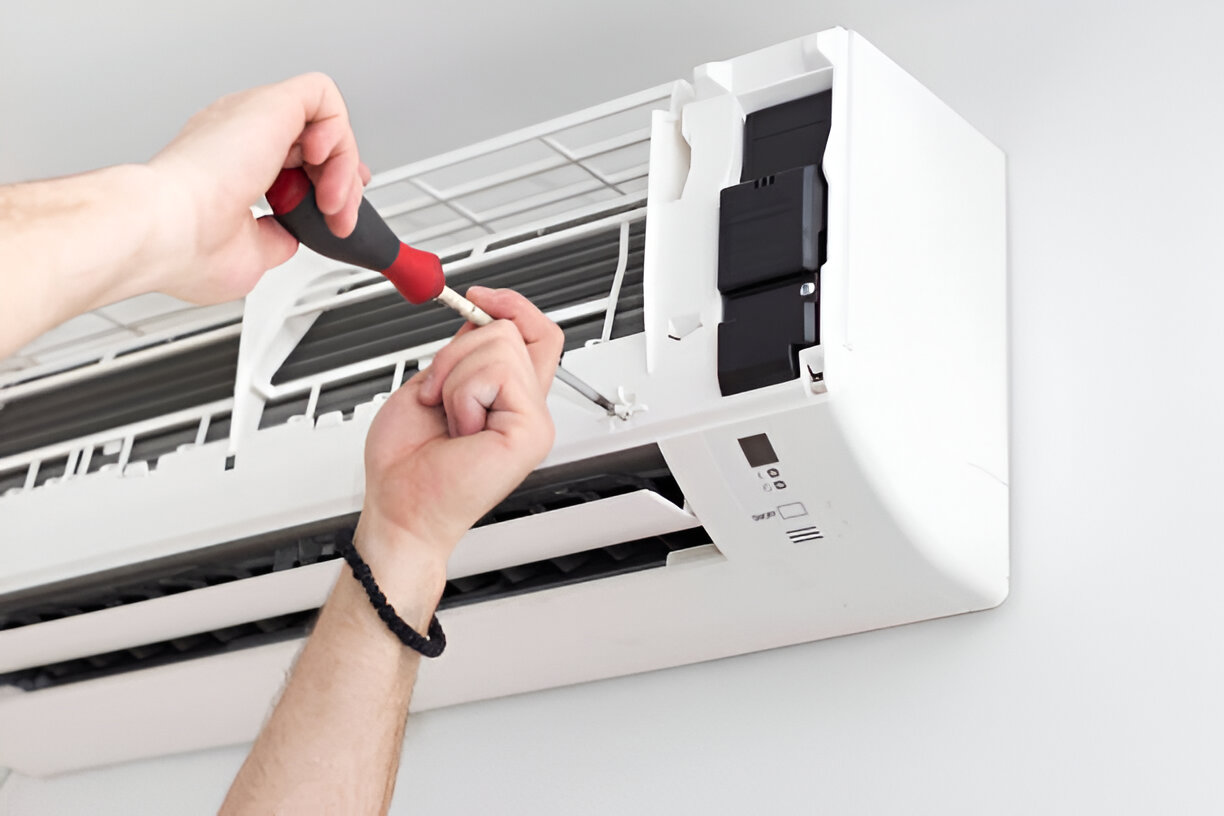
Common indicators a mini-split needs replacement
If you notice any of the following, your system is likely a replacement candidate rather than a simple repair:
- Repeated breakdowns or expensive repairs over a short period. Frequent compressor or inverter failures are a red flag.
- Loss of capacity: the unit runs longer but fails to reach set temperatures on hot or cold days.
- Rising energy bills despite similar usage patterns, especially in summer and winter peaks.
- Age and refrigerant type: older systems (typically over 10 years) or units using phased-out refrigerants are often better replaced.
- Excessive noise or vibration from the outdoor or indoor unit that indicates wear.
- Poor indoor air quality or inefficient filtration built into the head unit, leading to dust, odors, or allergy symptoms.
Evaluation and load-sizing process
A correct replacement begins with a thorough evaluation and proper load calculation. For Clintonville properties, this includes:
- A site inspection of each room: orientation, window area and type, insulation levels, ceiling height, occupancy, and typical internal gains (appliances, electronics).
- Accounting for local climate: Columbus area summers are humid and warm while winters are cold — the replacement needs to handle both efficient cooling and heating without excessive cycling.
- Performing a Manual J heat load calculation or similar sizing method to determine cooling and heating loads for each zone. Oversized mini-splits cause short cycling and humidity problems; undersized units struggle on peak days.
- Checking electrical service and breaker capacity; many replacements require a dedicated circuit or minor panel upgrades.
- Reviewing the existing line set length and routing. Long or steep line runs can affect refrigerant charge and efficiency and may change the model choice.
Comparing energy-efficient models and features
Modern mini-split replacements offer different feature sets. Consider these priorities for Clintonville homes:
- Inverter-driven compressors (variable-speed) provide smoother temperature control, better humidity management, and higher efficiency than fixed-speed units.
- SEER/HSPF ratings indicate cooling and heating efficiency. Higher ratings save more energy over time, especially useful with seasonal temperature swings in central Ohio.
- Multi-zone vs single-zone: Multi-zone systems serve several rooms from one outdoor unit with individual indoor heads; good for whole-home conversions. Single-zone heads are ideal when replacing one failing head.
- Low ambient performance for efficient heating during Ohio cold snaps. Choose heat pump models rated for low outdoor temperatures if you rely on heat pump heating.
- Advanced controls: Wi Fi thermostats, scheduling, and occupancy sensors improve convenience and can reduce runtime.
- Air filtration and ventilation: Units with enhanced filters or optional ventilation kits improve indoor air quality, important for older Clintonville homes with limited fresh-air exchange.
- Sound ratings for indoor and outdoor units; quieter compressors matter in close-knit neighborhoods with shared yards.
Removal and disposal of old equipment
Proper removal preserves safety and ensures code compliance:
- Technicians will safely recover refrigerant per EPA regulations before disconnecting lines to prevent emissions.
- Old indoor heads, wall mounts, and outdoor condensers are removed, and any wall penetrations are sealed or repaired.
- Removal includes responsible disposal or recycling of metal, plastics, and refrigerant-containing components following local rules.
- If the outdoor pad or mounting bracket needs replacement, installers will recommend suitable material and location that preserves yard drainage and curb appeal.
Installation coordination and timeline
Replacement installations are coordinated to minimize disruption:
- Pre-install checks include verifying electrical supply, measuring line-set paths, and confirming system sizing.
- Typical replacement for a single-zone head in a single room often completes in a day; multi-zone replacements require more time for line sets and balancing.
- Installers will plan for safe routing of refrigerant and condensate lines, secure mounting, and proper insulation of line sets to prevent heat loss and sweating.
- Permit and inspection requirements vary; installers will comply with local Columbus area codes and scheduling norms.
- Post-install commissioning includes refrigerant charge verification, airflow checks, thermostat setup, and homeowner orientation on operation and maintenance.
Expected performance improvements
A properly sized energy-efficient replacement typically delivers:
- Better temperature consistency and improved humidity control in both summer and winter.
- Noticeable reductions in runtime due to variable-speed operation, translating to lower energy use.
- Quieter operation and improved indoor air quality with enhanced filtration options.
- Longer useful life and fewer repairs compared with an aged unit. Performance gains are most evident when the previous system was significantly outdated or improperly sized.
Cost factors and financing or rebate options
While specific prices vary by home layout, number of zones, and necessary electrical work, replacement cost is driven by:
- Number of indoor heads/zones and outdoor unit capacity.
- Efficiency level and advanced features selected.
- Complexity of installation: wall repairs, long line runs, or electrical upgrades increase labor.
- Local permitting and inspection requirements.
Many homeowners offset upfront cost through financing plans or rebates. In central Ohio, federal tax credits, state incentives, and local utility rebate programs may apply to high-efficiency heat pumps and qualifying installations. Eligibility often depends on equipment efficiency ratings and installer certification. When evaluating replacements, consider lifecycle cost: higher efficiency today almost always reduces operating expenses and improves comfort over the system lifetime.
Maintenance and long-term benefits
After replacement, routine maintenance keeps performance optimal:
- Annual or biannual system checks, filter cleaning, and outdoor coil clearing extend life and preserve efficiency.
- Smart scheduling and zoning use can reduce wear and utility costs.
- A planned maintenance agreement helps detect issues early and supports warranty compliance.
Replacing a mini-split in Clintonville is a strategic investment when your system is unreliable, inefficient, or unable to meet modern comfort needs. Proper evaluation, right-sized equipment selection, compliant removal, and careful installation deliver measurable comfort, efficiency, and long-term value for Clintonville homeowners.
Hot Deals & Cool Savings

.webp)
New Service Agreement Membership
.webp)
Any New Client Service
Next Service for Referring a New Client
New Service Agreement Membership
Any New Client Service
Next Service for Referring a New Client
.webp)
.webp)

Service Areas
