
Mini Split Repair in Clintonville, OH
Mini split repair in Clintonville, OH tackles common symptoms and quick on-site fixes, with professional diagnostics, transparent pricing, and rapid emergency service. Schedule a repair now.

Mini Split Repair in Clintonville, OH
Ductless mini-split systems are a popular choice in Clintonville homes for targeted comfort, quiet operation, and energy efficiency. When a mini-split stops delivering reliable heating or cooling, the problem can quickly affect daily comfort — especially during hot, humid Columbus summers or cold Ohio winters.
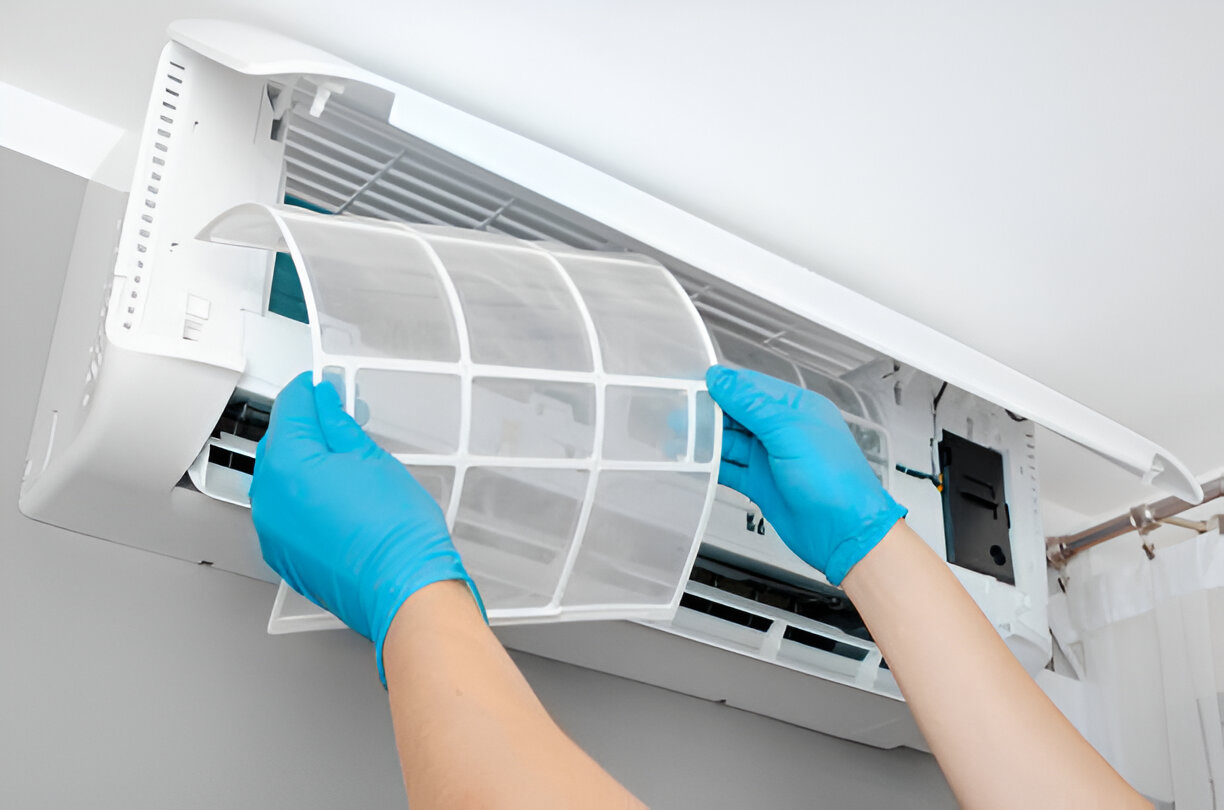
Common mini-split symptoms in Clintonville homes
Recognizing symptoms early helps avoid larger repairs. Look for:
- No cooling or heating despite the unit running.
- Weak airflow from the indoor head or inconsistent room temperatures.
- Unusual noises — clanking, grinding, high-pitched squeals, or rattles.
- Water leaks or excessive condensate around indoor units or outside the outdoor condenser.
- Ice buildup on the indoor evaporator coil or refrigerant lines.
- Short cycling — system frequently turns on and off.
- Bad odors coming from indoor units (mold, burnt electronics, or stale odors).
- Error codes displayed on the indoor head or remote control.
Clintonville’s mixture of older houses and newer infill can produce specific issues: aging electrical circuits may not supply stable voltage to the unit, tree debris and pollen can clog outdoor coils in spring and summer, and humid summers increase condensate drain problems.
Diagnostic procedures technicians use
A methodical diagnostic approach identifies root causes without unnecessary part swaps:
- Initial interview and symptom review — confirm when issue began, patterns, recent power events, and any attempted fixes.
- Visual inspection — look for obvious damage, loose panels, disconnected wires, refrigerant oil stains (possible leaks), and clogged drains.
- Electrical checks — verify voltage and current at indoor and outdoor units, inspect fuses, breakers, and the disconnect.
- Control and thermostat verification — confirm remote/thermostat settings, sensor readings, and error codes.
- Airflow and filter check — inspect/clean filters, measure airflow, and confirm indoor fan operation.
- Refrigerant system evaluation — check pressures and temperatures (requires certified technician), look for ice on lines, and perform a soap or electronic leak test if a leak is suspected.
- Condensate system test — inspect drain lines, condensate pumps, and pans for clogs or pump failures.
- Operational run test — observe unit through a full cycle to pinpoint intermittent faults.
Technicians will document findings and provide an explanation of the cause and repair options before replacing parts.
On-site troubleshooting and common repair processes
On-site work follows a prioritized sequence so homeowners get safe, reliable results quickly:
- Safety and isolation — shut power at the disconnect; confirm safe working conditions.
- Quick fixes — replace dirty filters, clear drain clogs, reset tripped breakers, and secure loose panels or lines.
- Component testing — test fans, motors, control boards, capacitors, sensors, and thermostats with diagnostic tools.
- Refrigerant service — locate and repair leaks, recover and evacuate refrigerant, vacuum the system, and recharge to manufacturer specifications. Refrigerant handling must be performed by a certified technician.
- Parts replacement — common replacement items include filters, capacitors, fan motors, control boards (PCBs), thermostats/thermistors, inverter modules, reversing valves, expansion devices, condensate pumps, and in rare cases, the compressor.
- System calibration — after repairs, the tech calibrates sensor offsets, sets proper fan speeds, and runs verification cycles.
- Cleanup and documentation — clear work area, reattach panels, test run, and record parts replaced and refrigerant added.
Parts are typically replaced only when diagnostics confirm failure. For refrigerant leaks or compressor failures, expect more involved testing and possibly scheduling parts.
Technician qualifications and what they bring to the job
Quality mini-split repair requires specific skills and certifications:
- EPA 608 certification for refrigerant handling is required by law for refrigerant work.
- Manufacturer training or experience on inverter-driven mini-splits and ductless heat pump systems.
- NATE or equivalent industry credentials indicate formal HVAC competency and continued education.
- State licensing and local code knowledge ensure work meets Ohio regulations and safety standards.
- Proper diagnostic equipment — multimeters, refrigerant gauges, micron gauges/vacuum pumps, leak detectors, and manufacturer service tools.
- Experience with local home types and climates — technicians familiar with Clintonville know common neighborhood issues like older wiring, attic installations, and pollen/debris impacts.
Technicians should explain findings in plain language and show the failed components when practical.
Typical repair timelines and cost factors
Time-to-repair depends on the problem:
- Diagnostic visit: often completed within one service call (typically under a few hours).
- Minor repairs (filters, drains, capacitors, sensor replacements): frequently completed the same day.
- Major component replacements (compressor, inverter board, or reversing valve) or refrigerant leak repairs: may require ordering parts and scheduling a follow-up visit; expect repair windows measured in days rather than hours.
- System replacement: if the condenser or indoor head is beyond repair, replacement planning and installation will take longer and involve sizing and permitting considerations.
Repair costs vary with complexity and parts required. Key cost drivers include age and brand of the mini-split, accessibility of the unit, type of refrigerant, whether refrigerant recovery and vacuuming are needed, and whether specialized components must be ordered. Always request a clear estimate that lists parts, labor, and any additional fees before work begins.
Emergency situations and immediate homeowner steps
For urgent failures (smoke, burning smell, refrigerant leak, electrical arcing, or complete loss of heating during a deep freeze), take these steps:
- Turn off the unit and cut power at the disconnect if you smell burning, see smoke, or detect electrical arcing.
- If you suspect a refrigerant leak (hissing noise, oily residue, sudden loss of cooling), ventilate the area and avoid inhaling fumes; do not attempt to repair refrigerant lines yourself.
- Stop water leaks by clearing the condensate drain or placing a bucket under the drip; shut power if water contacts electrical components.
- Document symptoms and error codes for the technician, and keep the model and serial numbers handy for warranty reference.
Emergency service is often handled on a priority basis to restore safe operation quickly.
Warranty handling and documentation
Warranty resolution requires proper documentation and correct procedures:
- Check both manufacturer and labor warranties — manufacturer warranties typically cover parts, while labor warranty covers the technician’s workmanship for a defined period.
- Keep original purchase records, installation paperwork, and serial numbers; many manufacturer warranties require registration.
- Avoid DIY repairs that can void warranties — always consult a qualified technician for covered repairs.
- Ask for a written repair report that lists replaced parts, refrigerant quantities, and diagnostic findings; this supports warranty claims and future service.
Regular maintenance and timely repairs extend system life and improve warranty compliance. In Clintonville, scheduling seasonal checks before summer and again before winter helps prevent emergency breakdowns tied to seasonal extremes.
Hot Deals & Cool Savings

.webp)
New Service Agreement Membership
.webp)
Any New Client Service
Next Service for Referring a New Client
New Service Agreement Membership
Any New Client Service
Next Service for Referring a New Client
.webp)
.webp)

Service Areas
