
Whole House Humidification in Lancaster, OH
Whole-house humidification in Lancaster, OH improves comfort, protects wood, and reduces static. Explore installation options, sizing, and maintenance for your home.

Whole House Humidification in Lancaster, OH
Proper whole house humidification is one of the most effective ways to protect your Lancaster, OH home and improve year-round comfort. Cold Ohio winters commonly drive indoor relative humidity down to levels that cause dry skin, irritated airways, increased static, and shrinking or cracking of wood floors and furniture. Whole-house humidification systems add controlled moisture to your entire HVAC-served living space, addressing health, comfort, and preservation concerns more reliably than portable humidifiers.
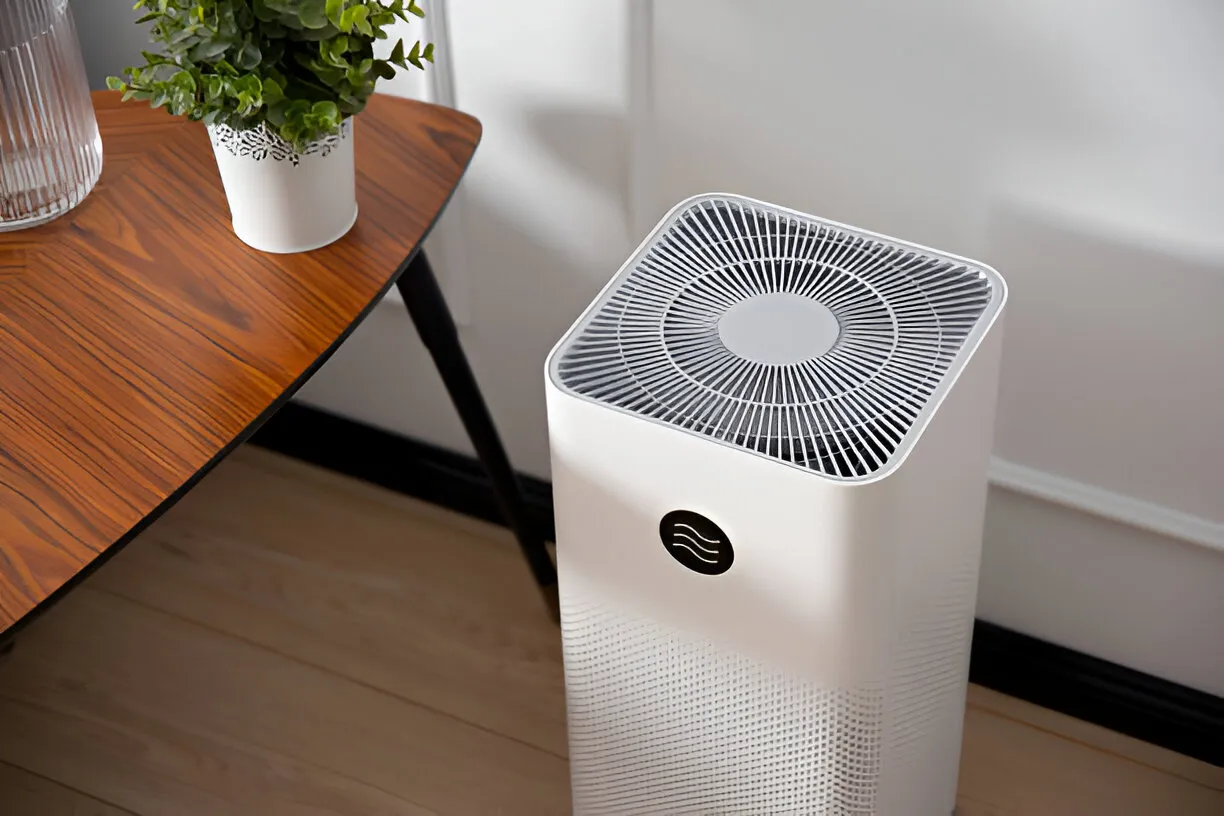
Common whole-house humidification issues in Lancaster, OH
Homeowners in Lancaster encounter predictable humidity challenges because of the regional climate and housing stock:
- Low indoor humidity in winter leading to dry skin, nose and throat irritation, and static shocks.
- Hardwood floor gaps and cabinetry shrinkage in older homes with seasonal humidity swings.
- Over-humidification or condensation on windows when systems are oversized or controls are misconfigured.
- Mineral buildup and scale from hard water, affecting humidifier performance and maintenance frequency.
- Integration issues with newer high-efficiency furnaces and air handlers if the humidifier is not sized or installed correctly.
Whole-house humidification options
Choosing the right technology depends on your home size, duct layout, water quality, and humidity targets. The three primary system types are:
- Steam humidifiers
- How they work: Electrically generate steam that is injected directly into the supply plenum or ductwork.
- Strengths: Fast, precise humidity control; effective for large or very tight homes; minimal dependency on furnace runtime.
- Considerations: Higher upfront complexity and electrical demand; best for homes needing aggressive humidification in very dry conditions.
- Bypass humidifiers
- How they work: Use furnace air drawn through a water-soaked pad, returning moistened air to the ductwork using furnace blower airflow.
- Strengths: Simple, low-cost option; low energy use when furnace runs.
- Considerations: Output depends on furnace fan runtime and duct static pressure; not ideal for homes where the heating system cycles infrequently.
- Fan-powered humidifiers
- How they work: Combine a water panel with a dedicated fan to move air across the wet surface, increasing output independent of the furnace.
- Strengths: Higher output than bypass systems; better control when furnace cycles are short.
- Considerations: Slightly higher energy use due to the fan; installation requires space and electrical connection.
System selection and sizing
Proper selection and sizing are crucial to performance and comfort:
- Home size and layout: Square footage, ceiling height, and the number of conditioned spaces determine required output.
- Building envelope and construction: Well-insulated, airtight homes require less humidification than older, draftier structures for the same setpoint.
- Occupancy and lifestyle: Number of occupants, indoor plants, and cooking/washing habits affect moisture needs.
- Water quality: Hard water increases maintenance and may favor a steam model or water treatment options.
- HVAC compatibility: Match the humidifier to the furnace or air handler capacity and available ductwork. Steam units are often preferred with high-efficiency systems or when precise control is needed.A qualified assessment should specify gallons-per-day output and recommended model type based on these factors.
Installation overview and HVAC integration
Whole-house humidifiers are installed as part of your HVAC system and involve several standard steps:
- Location planning: Mounting on the supply plenum, return plenum, or a dedicated steam line into the ductwork depending on model.
- Water connection: Tap to a cold-water supply with a shutoff and, where needed, a water treatment device or softener to reduce scale.
- Drain and overflow: Proper drainage for bypass and fan-powered models; steam units require condensate management if applicable.
- Electrical and controls: Hardwiring for steam units and fan-powered models; humidistat placement for accurate sensing typically inside the return duct or in a central living area.
- Integration with thermostat and furnace: Modern systems can integrate with smart thermostats and HVAC controls for coordinated humidity and temperature management.
Routine maintenance and seasonal considerations in Lancaster
Regular maintenance keeps performance consistent and prevents problems tied to Ohio climate swings:
- Replace or clean pads and water panels each season or as recommended by the manufacturer to avoid clogs and microbial growth.
- Inspect and descale components if your home has hard water. Consider a scale reduction accessory or water treatment to extend component life.
- Verify humidistat accuracy and recalibrate if indoor sensors show large discrepancies from room measurements.
- In summer, when outdoor humidity rises, most whole-house humidification systems are turned off to avoid excess moisture and condensation. Ensure the control system prevents operation when cooling is active.
- Check drains, shutoffs, and electrical connections annually before peak heating season.
Troubleshooting common problems
Knowing common symptoms and simple remedies helps you avoid unnecessary downtime:
- Low output: Check water supply, pads for clogging, and humidistat settings; ensure furnace runtime is sufficient for bypass models.
- Over-humidifying or condensation: Reduce setpoint, clean sensors, or verify the humidistat location; ensure the system interlocks with cooling to prevent operation when outdoor moisture is high.
- Noise or vibration: Inspect mounting, airflow paths, and fan balance on fan-powered units.
- Scale or white dust: Occurs with hard water; escalate descaling frequency, install a demineralization option, or consider a steam unit if appropriate.
- Water leaks: Inspect supply fittings, drain lines, and unit seals; replace worn gaskets and tighten connections.
Expected costs and warranty details
Costs for whole house humidification in Lancaster, OH vary by system type and installation complexity. Factors that influence price include:
- Chosen technology (steam generally has higher installation complexity).
- Home size and required output.
- Need for electrical upgrades, water treatment, or alterations to ductwork.
- Accessibility of installation location and whether additional control integration is required.
Warranty coverage typically includes a manufacturer parts warranty for the humidifier component and may include limited labor warranties through the installer. Manufacturer warranties often vary by model and component (for example, water panels versus electrical elements). Confirm warranty length and what it covers for parts such as control electronics, steam elements, and water panels, and ensure any installation workmanship is documented by the installer.
Why whole-house humidification benefits Lancaster homes
In Lancaster, OH, whole-house humidification improves seasonal comfort, preserves wood floors and furniture, reduces static electricity, and can help ease respiratory irritation during dry winters. When properly selected, sized, installed, and maintained, a whole-house system protects your investment in your home and contributes to balanced indoor air quality while integrating seamlessly with your HVAC system.
For homeowners concerned about low winter humidity or seasonal swings that damage woodwork and affect health, a correctly configured whole-house humidification system is a long-term solution that addresses those pain points reliably.
Hot Deals & Cool Savings

.webp)
New Service Agreement Membership
.webp)
Any New Client Service
Next Service for Referring a New Client
New Service Agreement Membership
Any New Client Service
Next Service for Referring a New Client
.webp)
.webp)

Service Areas
