
Ventilation in Lancaster, OH
Whole-Home ventilation solutions in Lancaster, OH: learn installation steps, benefits, and maintenance to improve air quality and energy efficiency.

Ventilation in Lancaster, OH
Proper ventilation is essential for healthy, comfortable homes in Lancaster, OH. With hot, humid summers, cold winters, and older houses that have undergone air-sealing upgrades, many Lancaster homes experience stale indoor air, excess humidity, seasonal pollen infiltration, or uneven odor and pollutant buildup. Whole-home ventilation improves indoor air exchange, removes pollutants and excess moisture, and helps your heating and cooling systems perform more predictably.
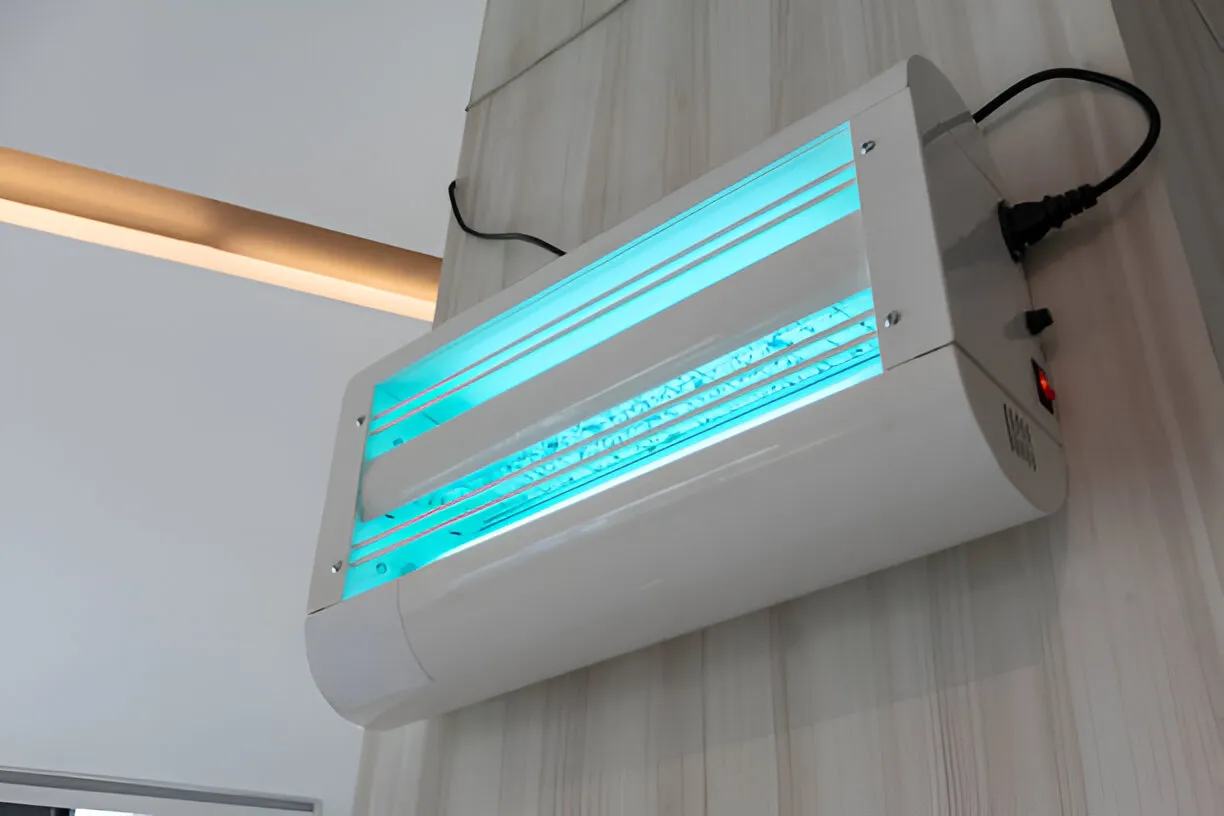
Common ventilation issues in Lancaster, OH homes
- High indoor humidity in summer leading to mold, condensation on windows, and musty basements.
- Persistent cooking, pet, or VOC odors due to inadequate whole-house exchange.
- Seasonal pollen and outdoor allergens entering through infiltration.
- Overly tight homes after air-sealing upgrades that lack sufficient fresh-air supply.
- Uneven ventilation between floors, attics and living areas, or between finished basements and main living space.
- Ductwork leaks or poor routing that reduce whole-house ventilation effectiveness.
Whole-home ventilation options and how they work
- Energy Recovery Ventilators (ERVs) - Exchange stale indoor air for fresh outdoor air while transferring both sensible heat and moisture between the two streams. In Lancaster, with humid summers, ERVs help reduce the moisture load entering the home, improving comfort and reducing HVAC dehumidification demand.
- Heat Recovery Ventilators (HRVs) - Transfer heat only, not moisture. HRVs are best where the incoming air moisture content should not be exchanged, such as cold, dry climates; they are an option in Lancaster winters when preserving indoor humidity is helpful.
- Mechanical supply or exhaust ventilation - Single-direction systems that either supply filtered outside air or exhaust indoor air. These systems are simpler but can create pressure imbalances if not properly designed.
- Spot ventilation - Localized fans in kitchens and bathrooms that remove contaminants at the source. Spot ventilation is a complement to whole-home systems but is not a substitute for continuous fresh-air exchange.
- Hybrid or demand-controlled ventilation - Systems that vary airflow based on sensors (CO2, humidity, occupancy) to balance indoor air quality and energy use.
Recommended ventilation targets and standards
Industry standards guide whole-home ventilation. A commonly used target is continuous whole-house exchange in the range of approximately 0.35 air changes per hour (ACH) for general comfort, with design values adjusted for home size, occupancy, and activity. Many ventilation designs for single-family homes result in continuous flows roughly between 40 and 150 CFM depending on square footage and number of occupants. ASHRAE 62.2 is the reference standard used by professionals for calculating required ventilation based on floor area and number of bedrooms. A qualified assessor will calculate the proper ventilation rate for your Lancaster home rather than relying on one-size-fits-all numbers.
Assessment and ductwork considerations for Lancaster homes
A proper ventilation solution starts with a thorough assessment:
- Home envelope tightness (blower door testing or envelope inspection) to determine how much controlled ventilation is needed.
- Existing HVAC and ductwork condition, routing and capacity to accept an ERV/HRV or supply/exhaust fans.
- Moisture sources such as basements, crawlspaces, and humidifier use.
- Occupancy patterns and sensitivities (allergies, respiratory concerns).Ductwork considerations:
- Many balanced systems connect to the existing HVAC return and supply plenum for distribution; others require dedicated ducts between unit and living spaces.
- Duct cleanliness, sizing and leakage must be addressed to ensure the ventilation unit achieves designed airflow.
- Proper placement of supply and exhaust points prevents short-circuiting of fresh air and ensures balanced pressure.
Installation and commissioning steps
- On-site survey and ventilation design based on home size and occupancy.
- Selection of type (ERV, HRV, supply/exhaust) and location for the unit and terminations.
- Ductwork modifications or new ducts installed with attention to sealing and insulation.
- Electrical and control wiring, plus integration with existing HVAC controls if needed.
- Commissioning: measuring delivered airflow (CFM), adjusting balancing dampers, verifying filtration, and testing controls and sensors.
- Documentation of the system airflow rates, filter types, and recommended maintenance schedule.
Energy and cost impact
- ERVs and HRVs recover a portion of the energy in exhaust air, which reduces heating and cooling load from ventilation compared to uncompensated outdoor air. In Lancaster, an ERV can be particularly useful in humid months by reducing moisture entering the home and lowering dehumidification demands.
- Continuous ventilation adds fan energy use; modern units use efficient fans and smart controls to minimize operating cost. Demand-controlled ventilation can further reduce runtime by supplying fresh air only when needed.
- Properly sized and commissioned systems typically improve overall HVAC performance and occupant comfort, often offsetting a portion of ventilation operating costs through reduced load on heating and cooling equipment.
Maintenance and filter care
- Replace or clean filters regularly per manufacturer guidance. Typical intervals are every 3 to 6 months depending on indoor air conditions, pets, and outdoor pollen levels in Lancaster.
- Inspect and clean the ERV or HRV heat-exchange core at least annually; some manufacturers recommend cleaning twice a year in high-pollen seasons.
- Check condensate drains, seals, and duct connections during annual HVAC service.
- Verify fan operation and control sensors periodically. For demand-controlled systems, check CO2 or humidity sensors for drift and recalibrate if needed.
- Keep intake and exhaust terminations clear of debris, snow, and obstructions.
Choosing the right system for different home sizes and needs
- Small homes and apartments: Spot ventilation combined with a compact supply fan or a small balanced unit can be sufficient. Consider demand-controlled ventilation to limit energy use.
- Moderate-size single-family homes: Balanced ERV or HRV systems integrated with the central duct system give consistent distribution and good control of humidity and pollutants.
- Large or multilevel homes: Ducted balanced systems with multiple supply and return points or dedicated distribution may be necessary to avoid stale zones.
- Homes with high indoor humidity or mold history: ERVs are usually preferable in Lancaster because they moderate incoming moisture and reduce risk of relative-humidity spikes.
- Allergy or asthma concerns: Combine whole-home ventilation with enhanced filtration in the supply path (use filters rated appropriately for your HVAC system) and consider units that allow for supplemental filtration or portable HEPA units in critical rooms.
Long-term benefits and practical tips
- Regular, measured ventilation improves indoor air quality, reduces mold risk, and makes temperature and humidity control more predictable across seasons.
- Pair ventilation decisions with air sealing and insulation upgrades for best results: controlling leakage and providing planned, filtered fresh air is more effective than relying on random infiltration.
- Use timers or demand sensors for intermittent occupancy to reduce energy use while maintaining air quality when the home is occupied.
- For Lancaster homes, focus on managing summer humidity and pollen ingress while preserving winter comfort—an ERV with proper commissioning often delivers the best year-round balance.
A professionally designed whole-home ventilation strategy tailored to your Lancaster, OH home size, envelope tightness, and family needs will provide healthier indoor air, reduce moisture problems common in the region, and integrate efficiently with your existing HVAC system.
Hot Deals & Cool Savings

.webp)
New Service Agreement Membership
.webp)
Any New Client Service
Next Service for Referring a New Client
New Service Agreement Membership
Any New Client Service
Next Service for Referring a New Client
.webp)
.webp)

Service Areas
