
Whole House Dehumidifiers in Lancaster, OH
Whole house dehumidifier installation in Lancaster, OH - discover sizing, drainage, and maintenance options. Get a quote for expert installation today.

Whole House Dehumidifiers in Lancaster, OH
High indoor humidity is a common and costly problem in Lancaster, OH homes. Warm, humid summers and older houses with basements or limited ventilation create ideal conditions for mold, musty odors, and damage to wood and insulation. A whole house dehumidifier is a permanent solution designed to control humidity across living spaces and basements by working with your HVAC system.
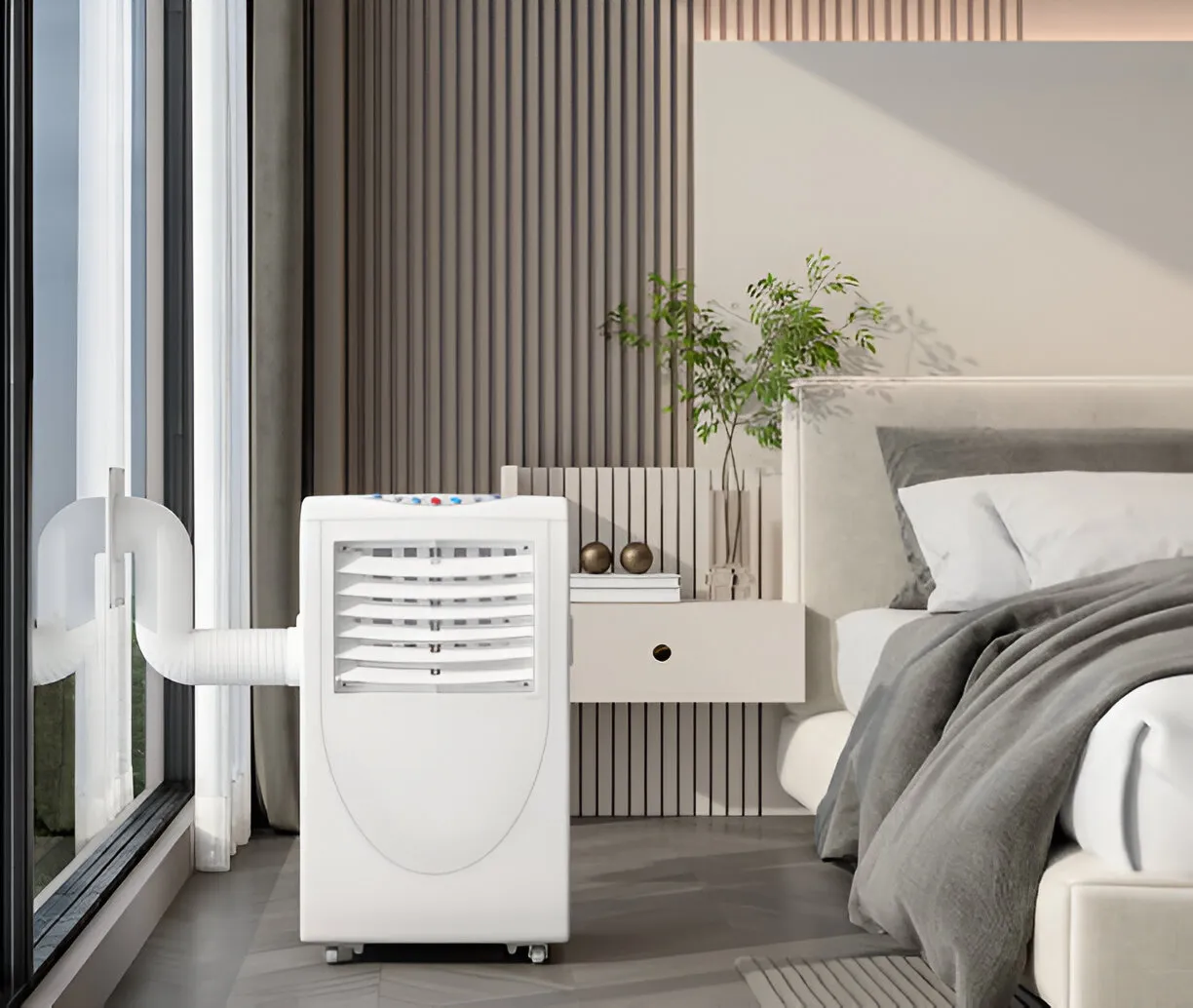
When a whole house dehumidifier is recommended in Lancaster, OH
Whole house dehumidifiers are recommended when you experience one or more of the following:
- Persistent basement dampness or musty odors in Lancaster homes, especially those with finished basements or storage areas.
- Visible mold, condensation on windows, or peeling paint and wallpaper that indicate elevated indoor relative humidity.
- Allergy or asthma issues aggravated by mold spores, dust mites, or mildew that thrive above 50 percent relative humidity.
- High energy bills from air conditioners running continuously trying to remove moisture during hot, humid Columbus-area summers.
- Newer, tightly sealed homes where reduced ventilation traps moisture inside living spaces and crawl spaces.
In Lancaster, seasonal humidity and local soil moisture can drive basement and crawl space humidity year round. Whole house dehumidifiers address these persistent loads more reliably than portable units.
How whole house dehumidifiers work and integrate with HVAC
Whole house dehumidifiers are either duct-mounted or standalone units that tie into your central HVAC system. Key operational points:
- The unit draws moist return air from the HVAC return plenum or a dedicated duct, removes moisture through a refrigeration or desiccant process, then returns drier air to the supply side.
- Models integrate with your thermostat or a separate humidistat to maintain a set relative humidity, commonly between 40 and 50 percent for comfort and mold prevention.
- When integrated with an air handler or furnace, the dehumidifier uses existing ductwork to distribute conditioned, dehumidified air evenly, avoiding the need for multiple portable units.
- Some systems provide dedicated fans and controls so dehumidification can operate independent of cooling cycles, which is beneficial in Lancaster when humid conditions occur without high cooling demand.
Integration improves whole-house comfort, reduces strain on your air conditioner, and ensures humidity control in basements and bedrooms where portable units are impractical.
Sizing and capacity selection
Choosing the right size is crucial. Capacity is measured in pints of water removed per day under standard conditions. Factors to consider:
- Home size and conditioned square footage.
- Basement or crawl space area and finishing level.
- Local climate and seasonal humidity in Lancaster, OH.
- Occupancy and moisture-generating activities such as frequent showers, indoor plants, or laundry in basements.
- Air leakage and insulation levels in the house.
As a general guide, small homes or apartments may need lower capacity units, while larger homes or those with high basement loads require higher capacity systems. A professional humidity load assessment or manual J moisture analysis will determine the exact capacity needed to hit your target relative humidity without short-cycling the unit.
Installation process and drainage options
Typical installation steps include site assessment, duct connections, electrical hookup, and drainage setup:
- Placement: most often mounted on or near the HVAC return plenum, in the basement mechanical room, or beside the air handler.
- Ductwork: the unit is connected to the return and supply ducts or to a dedicated distribution duct to ensure even airflow.
- Electrical: units require a dedicated circuit and a control connection to the thermostat or humidistat.
- Drainage: several options depending on the home layout
- Gravity drain to an existing floor drain or utility sink when unit is installed above drain level.
- Condensate pump when a gravity drain is not available or the unit is below the drain point.
- Tie-in to HVAC condensate line if local codes allow and the system is compatible.
- Dedicated condensate line routed outdoors or to a sanitary sewer where permitted.
Proper installation reduces risk of leaks, ensures efficient airflow, and meets local code requirements for condensate disposal in Fairfield County.
Energy use and efficiency
Whole house dehumidifiers use additional energy, but they often reduce overall HVAC energy by allowing thermostats to be set higher while maintaining comfort. Efficiency considerations:
- Look for Energy Star rated models or high-efficiency units with variable-speed fans and compressors to minimize energy consumption.
- Integrated systems that work with your air conditioner can remove moisture with lower overall energy use than running multiple portable units or overworking the AC.
- Correct sizing prevents excessive runtime and energy waste. Controls that allow humidity and temperature to be managed separately improve efficiency.
A well-installed whole house dehumidifier can cut AC runtime and improve perceived comfort during Lancaster’s hot humid months.
Maintenance and filter care
Routine maintenance keeps systems operating reliably and prevents secondary issues:
- Check and clean or replace air filters monthly to preserve airflow and reduce strain.
- Inspect condensate drains and pumps quarterly; flush lines to prevent clogs and algae buildup.
- Clean coils and check refrigerant circuits annually to maintain capacity.
- Verify controls and humidistats seasonally to ensure the setpoint is achieved.
- Schedule professional seasonal inspections to address wear, electrical connections, and calibration.
Proper maintenance extends equipment life and keeps humidity under control in Lancaster homes.
Health, home protection benefits, and service plans
Controlling humidity offers immediate and long-term benefits:
- Health: lower mold spores and dust mite populations reduce allergy and asthma triggers for household members.
- Home protection: prevents wood rot, warping of floors, paint and wallpaper peeling, and rust on tools or appliances in basements and garages.
- Comfort: reduces that sticky feeling in summer and improves indoor air quality year round.
- Preservation: protects insulation performance, HVAC components, and stored belongings in basements.
Pricing and service plans vary by system type and installation complexity. Costs typically reflect unit capacity, integration complexity with existing HVAC, drainage requirements, and any ductwork modifications. Many homeowners choose service plans that include annual inspections, filter replacements, priority maintenance, and seasonal tune-ups to maintain performance and protect their investment.
Whole house dehumidifiers are a durable, effective solution for Lancaster, OH homes struggling with humidity and its consequences. When matched to your home’s size and moisture load, and paired with proper installation and maintenance, these systems improve comfort, protect property, and reduce health risks associated with excess indoor moisture.
Hot Deals & Cool Savings

.webp)
New Service Agreement Membership
.webp)
Any New Client Service
Next Service for Referring a New Client
New Service Agreement Membership
Any New Client Service
Next Service for Referring a New Client
.webp)
.webp)

Service Areas
