
Whole House Humidification in German Village, OH
Discover whole-house humidification options for German Village, OH, including steam, bypass, and fan-powered systems. Learn more and schedule installation.

Whole House Humidification in German Village, OH
Keeping indoor humidity balanced is essential for comfort, health, and protecting the historic character of homes in German Village, OH. Whole house humidification systems deliver controlled moisture across your heating and cooling system so indoor relative humidity (RH) stays within a safe, comfortable range.
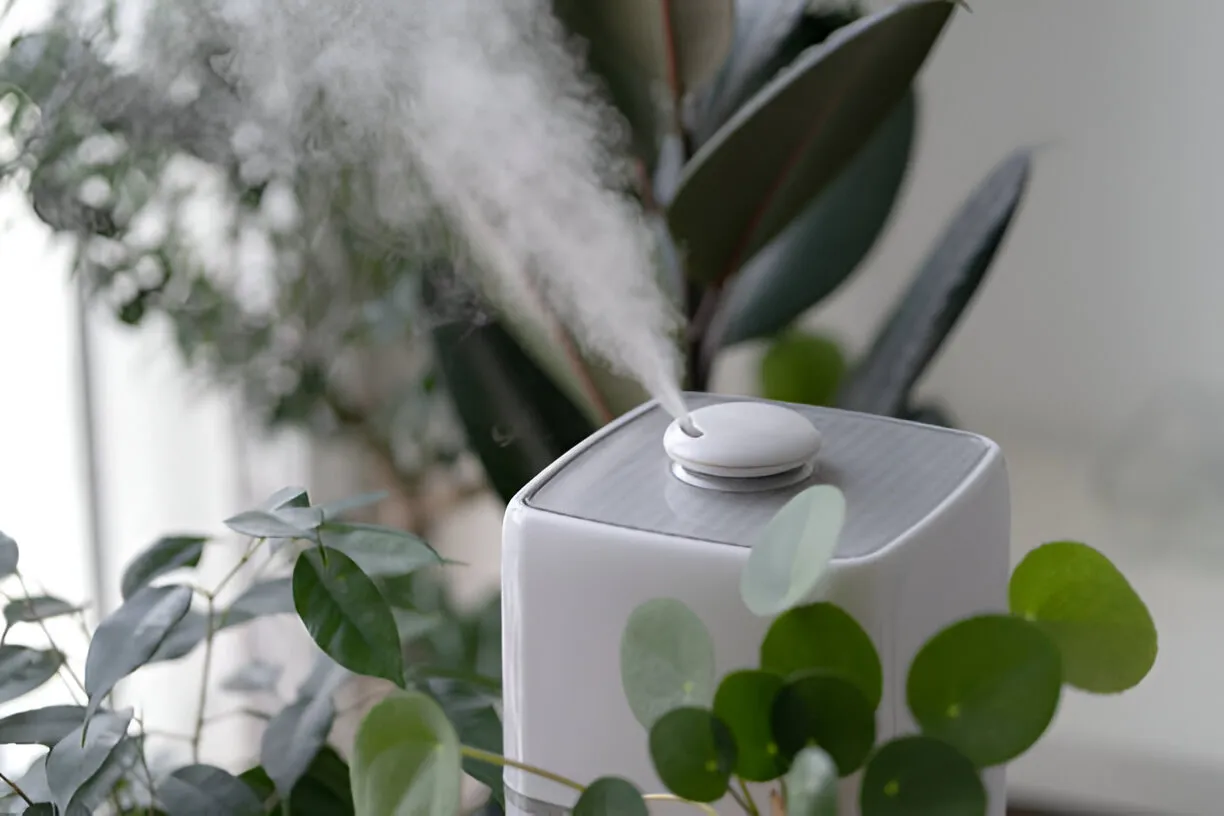
Why whole house humidification matters in German Village, OH
German Village is known for older brick homes, original woodwork, and seasonal climate swings. Winters in central Ohio are cold and dry; forced-air heating can lower indoor RH to uncomfortable and damaging levels. Common consequences of low winter humidity include:
- Dry skin, nasal irritation, and increased respiratory discomfort
- Static electricity and faster deterioration of textiles
- Shrinking, cracking, or splitting of hardwood floors, trim, and antique furniture
- Increased susceptibility to airborne viruses
In summer, high outdoor humidity can influence indoor moisture control, but whole-house humidification is primarily a winter comfort and preservation solution in this region. Historic homes in German Village often have unique airflow patterns and tighter envelope details that make correctly sized and controlled humidification especially important.
Whole-house humidifier types and which is right for your German Village home
Steam humidifiers
- How they work: Generate steam via electrode or resistive heating and inject it directly into the duct or air handler.
- Best for: Large homes, very dry conditions, homes with forced-air systems needing fast, precise control.
- Pros: High output, precise RH control, suitable for multi-zone systems.
- Cons: Higher initial cost, requires water treatment and proper drain/electrical hookups.
Bypass humidifiers
- How they work: Use warm air from the supply plenum, passing it through a water-soaked panel so moisture evaporates into the airstream. They rely on furnace operation and airflow.
- Best for: Mid-size homes with a reliable central furnace and sufficient ductwork.
- Pros: Lower cost, simple design, low maintenance.
- Cons: Lower output, dependent on furnace run time and temperature.
Fan-powered humidifiers
- How they work: Use a small fan to push air across the wet panel into the duct, independent of furnace blowers.
- Best for: Homes where the furnace cycles infrequently or where higher output than a bypass unit is needed.
- Pros: Better output than bypass, works when furnace is off.
- Cons: More complex than bypass units, requires electrical connection.
Selection depends on home size, heating system type, insulation and air leakage, and preservation needs for historic materials.
Sizing and control strategies
Proper sizing is critical for consistent RH without over-humidifying. Key factors:
- Home volume: cubic footage is used to determine moisture needs.
- Airtightness and air changes per hour: older homes with leaks lose humidity faster.
- Climate and heating load: colder outdoor temps increase required humidification to maintain indoor RH.
- Occupancy and activities: showers, cooking, and plants add moisture.
Recommended winter RH target for German Village homes is typically 35 to 45 percent to balance comfort and prevent window condensation and mold risk. Controls and strategies:
- Whole-house humidistat mounted away from direct vents or kitchens to avoid false readings.
- Smart controls that adjust output based on outdoor temperature to avoid condensation on cold window glass.
- Integration with zoning and thermostats to coordinate operation and prevent unnecessary moisture when unoccupied.
Installation steps and HVAC integration
Whole-house humidifier installation involves:
- Assessment: Measure home volume, inspect HVAC system, duct layout, and available water and drain access.
- Unit selection: Choose steam, bypass, or fan-powered model sized to the home.
- Mechanical installation: Mount unit on or near the furnace/air handler or into the duct. For bypass units, install duct collar and bypass tubing. For steam units, install steam line into the supply plenum or return airway.
- Water and drain: Connect cold water supply and provide a reliable drain. Consider shutoff valves and accessible drain routing.
- Electrical and control wiring: Provide power for fan or steam generator and wire the humidistat and any zone control interfaces.
- Commissioning: Calibrate the humidistat, test operation across furnace cycles, and confirm there is no leakage or unwanted condensation.
Installation in older German Village homes often requires attention to limited mechanical space and preserving historic features. Proper planning minimizes invasive work and ensures discreet integration.
Maintenance and water-quality considerations
Water quality affects longevity and performance:
- Hard water leads to scale buildup in steam and evaporative components. Scale reduces output and can create mineral dust.
- Consider demineralization cartridges, softening, or RO pre-treatment for steam systems. Evaporative models may include replaceable panels that collect minerals.
Routine maintenance recommendations:
- Replace evaporative pads annually or as manufacturer advises.
- Inspect and clean steam generator components and drains to remove scale.
- Clean condensate and drain lines to prevent clogs.
- Calibrate and occasionally relocate humidistats if readings seem inaccurate.
- Winterize systems if structure will be unoccupied for extended periods.
Common troubleshooting issues and fixes
- Low humidity despite system running: Check unit sizing, clogged pads or scale buildup, humidistat placement, or excessive air leakage in the home.
- Over-humidification and window condensation: Lower setpoint, verify outdoor-temperature compensation control, and inspect for short-cycling.
- Mineral dust or white residue: Indicative of mineral carryover from steam or high mineral content in water; consider demineralization options.
- Water leaks: Inspect supply lines, drain connections, and unit seals immediately.
- Noise or unusual vibration: Verify mounting and duct connections; fan motors or steam pumps may require service.
Quick checks homeowners can do: confirm the humidistat setting, ensure the furnace fan operates as expected, and replace pads or filters per schedule. For steam systems, check indicator lights and accessible drain traps.
Service plans and warranties
A comprehensive service plan for whole house humidification typically includes:
- Annual inspection and cleaning of humidifier components
- Pad or cartridge replacement and scale removal
- Humidistat calibration and control firmware updates if applicable
- Water treatment checks and recommendations
- Priority diagnostic visits and seasonal adjustments
Warranty structure usually has two parts:
- Manufacturer part warranty covering components for a specified period
- Installer workmanship warranty covering labor for installation defects
Manufacturer warranties vary by system type and model. Installer workmanship warranties vary as well; ask for documentation that outlines what is and is not covered, recommended maintenance intervals to keep warranties valid, and procedures for warranty claims.
Final considerations for German Village homeowners
Whole house humidification provides tangible benefits: improved comfort, reduced respiratory irritation, preserved woodwork and floors, and better indoor air quality during dry months. In German Village, where historic materials and seasonal dryness combine, proper system selection, precise sizing, and careful integration with older HVAC systems make a measurable difference. Regular maintenance and attention to local water quality will extend system life and maintain consistent performance. A well-designed humidification strategy protects both your family and the character of your home.
Hot Deals & Cool Savings

.webp)
New Service Agreement Membership
.webp)
Any New Client Service
Next Service for Referring a New Client
New Service Agreement Membership
Any New Client Service
Next Service for Referring a New Client
.webp)
.webp)

Service Areas
