
IAQ Products in German Village, OH
Discover IAQ solutions for German Village, OH and improve air quality with expert installation. Learn more and schedule your assessment today.

IAQ Products in German Village, OH
Indoor air quality (IAQ) matters more in German Village homes than many residents realize. Older brick rowhouses, tighter building envelopes, humid Ohio summers and cold winters all influence airborne particles, humidity-related mold, pollen intrusion and combustion byproducts from fireplaces or nearby traffic. Selecting the right IAQ products can reduce allergy and asthma triggers, control moisture, and improve overall comfort — especially in historic or retrofitted homes common to this neighborhood.
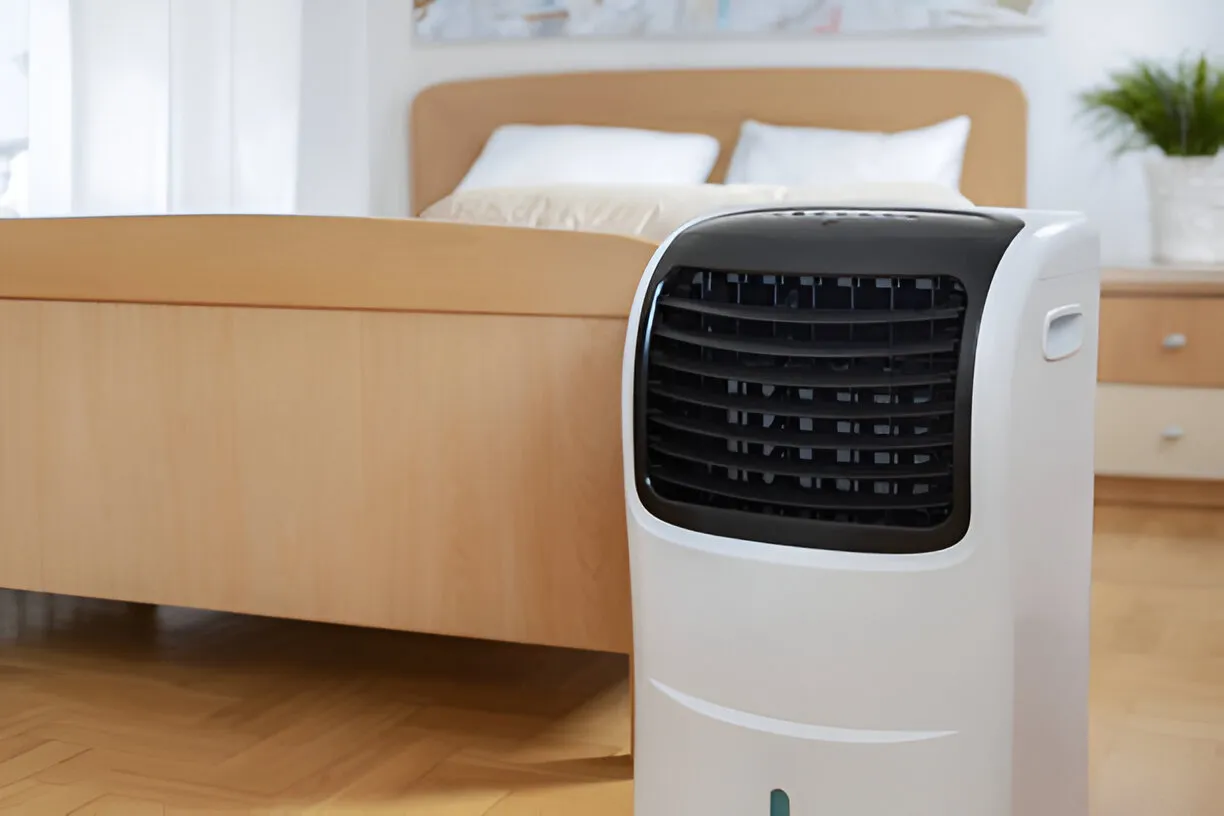
Common IAQ concerns in German Village homes
- Seasonal pollen and tree allergens during spring and fall, exacerbated by nearby street trees and parks.
- High indoor humidity in summer basements and first-floor spaces that leads to mold and dust mite growth.
- Dry indoor air in winter from heating systems that aggravates respiratory irritation and dry skin.
- Fine particulates from traffic and nearby construction that penetrate older window seals.
- Odors and VOCs from renovations, paints and household chemicals used in restoration projects.
IAQ product categories and technologies
Below are the main IAQ product types and the technologies to evaluate for each.
- Air purifiers (standalone room units)
- HEPA filtration: captures 99.97% of particles down to 0.3 microns. Best for allergies and smoke.
- Activated carbon: adsorbs odors and VOCs; pair with HEPA for combined particulate and gas removal.
- UV-C: inactivates some biological contaminants; most effective when used with filtration and not as a sole method.
- CADR (Clean Air Delivery Rate): indicates how quickly a unit cleans a room; choose a CADR rated for the room size and desired air changes.
- Whole-house filters (in-duct)
- MERV-rated filters: MERV 8 is common for dust control; MERV 11-13 provides better allergen and smoke filtration but may affect HVAC efficiency if the system is not compatible.
- Media filters and pleated filters offer higher dust-holding capacity for older homes with more particulate loading.
- Ventilation systems
- ERV/HRV (energy or heat recovery ventilators): bring controlled fresh air into tighter homes while recovering heat or cooling energy. Ideal for improved ventilation without large energy penalties.
- Mechanical ventilation with filtration can help manage indoor pollutants in well-sealed historic homes.
- Humidifiers and dehumidifiers
- Whole-home humidifiers add moisture in winter to reduce dryness and protect woodwork and health.
- Dehumidifiers control basement and summer humidity to prevent mold and dust mite proliferation.
- Accessories and monitoring
- Smart humidity sensors, IAQ monitors (PM2.5, VOC sensors), filter life indicators and programmable controls help maintain performance and alert homeowners to changes.
Choosing the right IAQ products for your home and health needs
Selecting products depends on home size, occupancy, health concerns and existing HVAC.
- For allergy or asthma sufferers
- Prioritize HEPA filtration and a higher MERV rating for whole-house filters (where the HVAC can handle it). Aim for air purifiers sized to achieve 4 to 6 air changes per hour in frequently used rooms.
- For older or retrofit homes in German Village
- Combine whole-house filtration with targeted room purifiers in bedrooms and living rooms because ductwork may be limited or less efficient. Consider ERV/HRV to provide fresh air without open-window energy loss.
- For moisture and mold control
- Use dehumidification in basements and crawlspaces, and install humidity monitoring. Whole-home dehumidifiers or point dehumidifiers paired with improved ventilation prevent recurring mold problems.
- For odors and VOCs from renovation or hobby activities
- Include activated carbon filtration and ensure adequate ventilation during high-VOC activities.
- For smoke or wildfire events
- Use HEPA-based filtration and ensure doors and windows are sealed; portable purifiers with a high CADR for smoke are important when outdoor air quality is poor.
Installation options and professional service scope
Professional IAQ services for German Village homes typically include a full assessment, tailored product selection and coordinated installation.
- Assessment and testing
- Baseline IAQ testing may include particulate counts (PM2.5), humidity logs, VOC screening and pressure/ventilation analysis. Results guide the product mix.
- Installation types
- In-duct installations: whole-house filters, media filters, humidifiers, dehumidifiers and UV air handlers are integrated into existing HVAC systems. Proper sizing and compatibility checks are essential.
- Standalone installations: portable purifiers and dehumidifiers require minimal modification and are useful where ductwork access is limited.
- Ventilation installations: ERV/HRV systems often require routing through attic or crawlspace and careful balancing.
- Controls and monitoring: integrating IAQ sensors or smart thermostats for automated control and filter-life notifications.
- Scope of professional service
- Sizing and product specification, system integration, duct sealing or minor ductwork adjustments, test-and-balance of ventilation systems, commissioning, and post-installation performance verification.
Maintenance schedules and common replacement needs
Routine maintenance keeps IAQ products effective and protects long-term investment.
- Filters
- HEPA/portable unit prefilters: inspect monthly; replace according to manufacturer guidance — typically 3 to 12 months depending on use and pollutant load.
- Activated carbon filters: often replaced every 3 to 12 months depending on odor/VOC exposure.
- Whole-house MERV filters: check monthly and replace 3 to 12 months based on dust load and filter type.
- UV lamps and electronics
- UV-C lamps typically require replacement annually or per manufacturer recommendations to maintain output. UV lamp effectiveness declines over time.
- Electronics and fans should be inspected and cleaned annually.
- Humidifiers and dehumidifiers
- Clean and service humidifier pads and reservoirs seasonally; dehumidifier coils and drains should be inspected on a regular schedule.
- Ventilation systems
- ERV/HRV cores and filters should be inspected and cleaned or replaced seasonally; moving parts may need lubrication or service every 1 to 3 years.
Expect variation in replacement frequency based on home occupancy, pollutant sources and local conditions like pollen seasons and humidity. Budget accordingly for recurring filter and component replacements to ensure continuous performance.
Certifications, safety and product selection cautions
Choose products with recognized certifications and avoid technologies that can harm indoor air.
- Look for: AHAM Verifide and CADR ratings for purifiers, ENERGY STAR for energy-efficient models, CARB compliance in states that require low-ozone emissions, UL safety listings and documented MERV ratings for filters.
- Avoid ozone generators or high-ozone-producing devices; ozone can irritate airways and is not recommended for occupied spaces.
- Match MERV rating to HVAC capability — excessively high MERV ratings on an incompatible blower can reduce airflow and efficiency.
Long-term benefits of correctly specified IAQ systems in German Village
Properly selected IAQ products and professional installation bring measurable benefits: fewer allergy and asthma symptoms, reduced mold risk in humid months, better odor control during renovations, and improved overall comfort in both winter and summer. For historic German Village homes, balancing preservation of original features with modern IAQ technology preserves both health and the character of the house.
Regular maintenance and monitoring ensure systems continue to perform year after year, adapting to seasonal patterns and occupant needs. When choosing IAQ products in German Village, focus on certified technologies, appropriate sizing, and a clear maintenance plan to get durable, dependable air quality improvements.
Hot Deals & Cool Savings

.webp)
New Service Agreement Membership
.webp)
Any New Client Service
Next Service for Referring a New Client
New Service Agreement Membership
Any New Client Service
Next Service for Referring a New Client
.webp)
.webp)

Service Areas
