
Whole House Dehumidifiers in German Village, OH
Whole-House Dehumidifiers in German Village, OH: reduce humidity, protect finishes, and improve comfort. Learn more about installation options today.

Whole House Dehumidifiers in German Village, OH
Excess indoor moisture is a common problem in German Village homes. Hot, humid summers in Columbus combined with older brick construction, basements and crawlspaces that sit near the water table create conditions for condensation, mold growth, musty odors and allergy triggers. A properly sized whole house dehumidifier reduces relative humidity throughout the entire home, protects wood and finishes, reduces allergens and makes living spaces more comfortable without overworking your air conditioner.
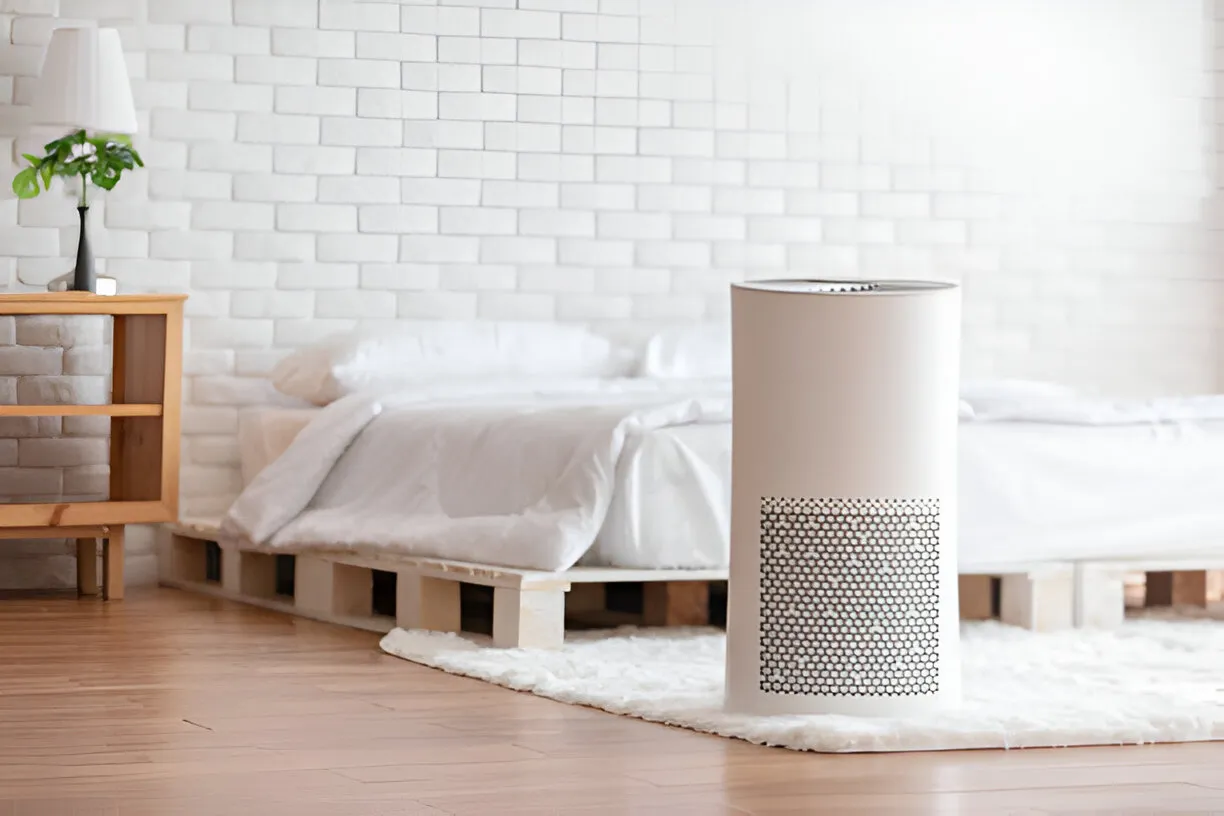
Why German Village homes often need whole house dehumidification
- Older masonry and foundation details can allow slow moisture migration into basements and lower levels, especially after heavy rains common in Central Ohio.
- Narrow lots, shared walls and limited ventilation in period homes can trap moist air indoors.
- Basements and crawlspaces in historic houses often remain cooler and damp year-round, feeding mold and high indoor humidity even when living spaces feel dry.
- Summer humidity spikes increase HVAC runtime and make rooms feel warmer at the same thermostat setting.
Common whole house dehumidifier problems in German Village
- Persistent basement dampness and musty odors despite running the air conditioner.
- Condensation on windows and cold water pipes during summer months.
- Recurrent mold or mildew in closets, under stairs or around window frames.
- Allergies that worsen during humid months due to increased dust mite and mold activity.
Types of whole house dehumidifiers and how they differ
- Ducted refrigerant dehumidifiers (integrated with HVAC): Mounted in the return duct or plenum and remove moisture while the central air system circulates air. Best for year-round, whole-home control and energy efficiency when paired correctly with your HVAC.
- Standalone whole-house dehumidifiers (self-contained with duct connections): Installed in basements or mechanical rooms and connected to supply/return ducts. Good when HVAC integration is limited or when you need high-capacity moisture removal in lower levels.
- Crawlspace-specific dehumidifiers: Compact units designed to run continuously in low-clearance spaces, often with drainage solutions that manage ground-level moisture.
- Desiccant systems: Less common for typical homes; useful in cooler, low-temperature spaces where refrigerant-based units lose efficiency.
Each system has trade-offs in cost, installation complexity and seasonal performance. In German Village, HVAC-integrated or high-capacity ducted units are often the most practical for whole-home control given older basements and the need to protect historic finishes.
Capacity selection and sizing — what matters
Sizing a whole house dehumidifier depends on:
- Home square footage and ceiling height
- Basement and crawlspace area and condition
- Typical indoor moisture loads (number of occupants, cooking, laundry)
- Outdoor humidity and seasonal patterns in Columbus
- Target relative humidity (recommended range is 40 to 50 percent for comfort and mold control)
A professional assessment includes a moisture load calculation and indoor/outdoor humidity measurements. Undersizing leaves humidity uncontrolled; oversizing wastes energy. German Village homes with damp basements or frequent heavy rains often need higher-capacity systems or dedicated basement units in addition to the whole-house device.
Installation and ducting options (basement and crawlspace applications)
- Site survey: Inspect foundation walls, existing ductwork, HVAC configuration and available drain paths. Historical features are noted to minimize invasive work.
- Integration choices:
- Connect to the HVAC return for central distribution, often mounted near the furnace or air handler.
- Install as a dedicated unit in the basement with its own duct connections feeding the living areas.
- Place a specialized unit in the crawlspace with vents and a closed vapor barrier for best results in that zone.
- Ducting considerations:
- Short, insulated duct runs reduce heat gain and condensation risk.
- Sealed ducts prevent bypass and ensure the dehumidifier handles the intended air volume.
- Placement near the return air stream maximizes whole-house effectiveness.
- Drainage and condensate handling:
- Use a gravity drain where possible to an existing floor drain or sump pit.
- Install condensate pumps when gravity drains are not available or when locating units above the drain level.
- Ensure drain lines are sloped and protected from freezing in cold winters.
Energy and electrical requirements
- Whole-house dehumidifiers require a reliable electrical supply; many units need a dedicated circuit and proper grounding.
- Look for high-efficiency models to minimize operating costs; units with variable-speed fans or integrated controls use less energy while maintaining stable humidity.
- Integration with the HVAC control system or a dedicated humidistat allows targeted operation and prevents unnecessary runtime.
- Expect seasonal variation: units run more in hot, humid months and may be rarely needed during winter heating when indoor relative humidity naturally decreases.
Impact on mold, allergens and home comfort
- Maintaining indoor RH between 40 and 50 percent reduces mold and dust mite growth and mitigates musty odors common in basements.
- Lower humidity improves perceived comfort so air conditioning can run less aggressively while feeling cooler.
- Wood floors, window sills and exposed joists in historic homes are better preserved when humidity swings are minimized.
- Allergy sufferers often report fewer symptoms when indoor humidity is controlled because mold spore counts and dust mite populations decline.
Maintenance plans and performance expectations
- Typical maintenance tasks:
- Replace or clean the air filter every 1 to 3 months depending on conditions.
- Inspect and clear condensate drains and pumps seasonally.
- Clean coils and finned surfaces annually to preserve capacity and efficiency.
- Verify control calibration and inspect duct seals during yearly service.
- Performance expectations:
- Effective whole-house systems will maintain the target RH in normal seasonal conditions; extreme events (flooding, extended heavy rain) may require supplemental drying.
- Continuous operation during peak summer months is common; units cycle down when target RH is reached.
- Expect improved indoor air quality, fewer mold-related maintenance issues and more stable temperatures when the system is sized and installed properly.
Long-term considerations for German Village homeowners
Installing a whole house dehumidifier is a practical investment for protecting historic finishes and improving indoor air quality in German Village homes. While initial system selection and proper installation are critical, ongoing maintenance and correct drainage ensure long-term performance. Address foundation drainage and ventilation issues in tandem with dehumidification to get the best results and protect your home from recurring moisture problems.
A professional assessment that considers your home’s age, foundation type, basement conditions and HVAC layout is the best way to match system type, capacity and installation approach to the specific needs of German Village properties.
Hot Deals & Cool Savings

.webp)
New Service Agreement Membership
.webp)
Any New Client Service
Next Service for Referring a New Client
New Service Agreement Membership
Any New Client Service
Next Service for Referring a New Client
.webp)
.webp)

Service Areas
