
Whole House Humidification in Clintonville, OH
Professional whole-house humidification services in Clintonville, OH to improve comfort, protect woodwork, and maintain balanced humidity. Learn more.

Whole House Humidification in Clintonville, OH
Keeping indoor humidity in the right range is one of the easiest ways to improve comfort, protect historic woodwork, and reduce respiratory irritation in Clintonville homes. Winters in Clintonville and greater Columbus are cold and dry; furnaces and high-efficiency heating systems pull moisture from the air and can drop indoor relative humidity into the teens. Whole house humidification restores balanced humidity consistently through your ducted HVAC system, eliminating the daily hassle and uneven coverage of portable humidifiers.
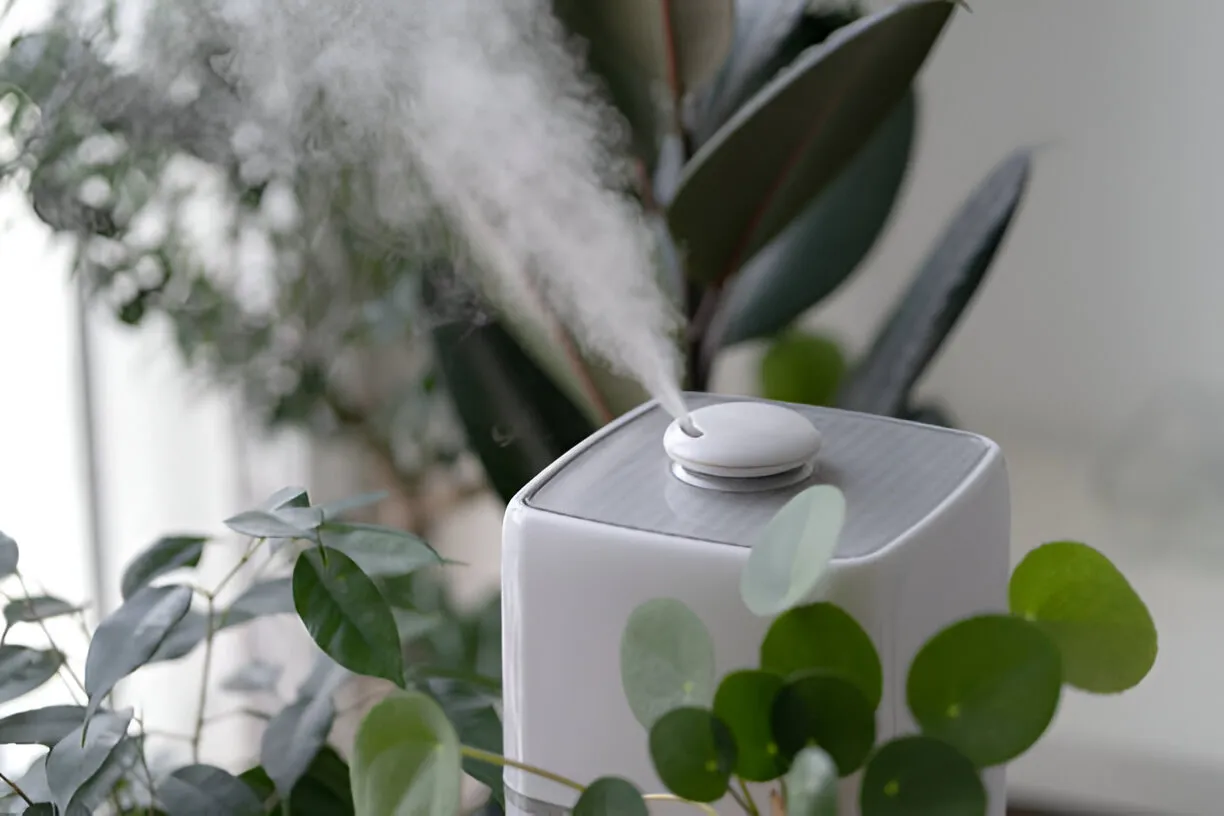
Common whole house humidification issues in Clintonville, OH
- Dry air in winter causing static shocks, cracked trim, shrinking floors, and gaps around older doors and windows common in Clintonville’s historic homes.
- Scratchy throats, aggravated allergies, and more frequent nosebleeds for sensitive household members during the heating season.
- Uneven humidity with room-by-room differences when only using portable units.
- Mineral buildup and white dust from tap water in steam systems if water has higher mineral content.
- Over-humidification in shoulder seasons if humidistat control is not calibrated or lacks outdoor temperature compensation.
Whole-house humidification options — what each does and when to choose it
Understanding how each system works makes it easier to select the right solution for your house and lifestyle.
- Bypass humidifiers
- How they work: Draws warm air from your furnace plenum, passes it through a water-wetted pad, and returns the moistened air to the duct system using natural air movement from the furnace.
- Best for: Homes with a reliable furnace fan and moderate humidification needs; efficient and lower cost to operate.
- Considerations: Requires a return and supply duct path for the bypass; less effective when the furnace fan is off unless furnace fan runs continuously.
- Fan-powered humidifiers
- How they work: Use an internal fan to push conditioned air through a water panel and into the ducts, independent of furnace fan operation.
- Best for: Larger homes or where consistent humidification is needed even when the furnace fan does not run frequently.
- Considerations: Slightly higher electrical use and more noticeable airflow during operation.
- Steam humidifiers
- How they work: Boil water to create steam, then inject that steam directly into the ductwork for precise humidity control.
- Best for: Very dry climates, tight well-sealed homes, large homes, or commercial-grade performance in residential settings; useful when large humidity increases are needed quickly.
- Considerations: Higher upfront cost, need for proper water treatment or demineralization if water quality is hard, and routine descaling maintenance.
Selecting the right system for a Clintonville home
System selection should be driven by these factors:
- Home size and layout: Square footage and duct design determine how much moisture is needed and which delivery method will distribute humidity evenly.
- Furnace compatibility: Bypass units require compatible plenum access; fan-powered options need space and electrical supply.
- Home construction and vintage: Older Clintonville homes with original woodwork benefit from stable humidity control to prevent shrinkage and gaps.
- Water quality: Columbus area water can be moderately hard; steam units may need water treatment or an inline demineralization cartridge to reduce deposits and white dust.
- Occupant sensitivity: Households with infants, elderly, or respiratory conditions may want more precise controls like an automatic humidistat with outdoor temperature compensation.
- Desired control level: Simple humidistats offer basic control; advanced controls provide WiFi access, scheduling, and integration with smart thermostats.
Typical installation process and controls
Installation follows a consistent, safety-focused sequence:
- Home assessment and sizing: Inspect duct layout, furnace compatibility, and measure home volume to determine capacity.
- Equipment placement: Mount unit on the furnace plenum or return, or locate a steam generator near the duct run with a dedicated drain and water hookup.
- Water and drain connections: Hard-plumb water supply and suitable drain for evaporative or steam units; install water treatment if needed.
- Electrical and controls: Provide power to the humidifier, wire the humidistat to the furnace control, and install optional outdoor temperature sensor.
- Duct connections and sealing: Connect the humidifier output to the duct system and seal all joints to prevent air leakage.
- Commissioning and testing: Calibrate the humidistat, test operation at different outdoor temperatures, and confirm even distribution throughout the house.
Control options explained:
- Manual humidistats: Simple set-and-forget devices; adequate for many homes.
- Automatic humidistats with outdoor temp sensor: Prevents over-humidification by adjusting targets when it is very cold outside.
- Integrated smart controls: WiFi connectivity, remote monitoring, and integration with home automation systems for more hands-off management.
Maintenance and seasonal recommendations
Routine care keeps performance high and problems low:
- Regular tasks (every 1-3 months during use)
- Replace or clean evaporative pads or water panels.
- Inspect and clean drain lines and drip trays.
- Empty and clean buckets or reservoirs on portable-steam reservoirs.
- Annual service (pre-winter)
- Full system inspection, cleaning of steam generators, check electrical connections, and recalibrate humidistats.
- Check for mineral buildup; consider installing a water treatment or softener if frequent scaling occurs.
- Seasonal settings
- Winter target: Aim for indoor relative humidity between 30 and 40 percent when outdoor temperatures are very low to avoid condensation on windows. Slightly higher setpoints (up to 45 percent) are comfortable when temperatures are milder.
- Spring and summer: Disable or lower whole-house humidification to avoid excess indoor moisture and potential mold risks.
Signs your humidification needs attention
- Condensation on windows, mold growth, or musty odors (signals over-humidification).
- Cracking wood trim, excessive static, or persistent sore throats (signals under-humidification).
- Visible white dust near vents if using steam with hard water.
Warranties and expected longevity
- Manufacturer warranties commonly cover humidifier cores, steam generators, and electrical components for a period that varies by brand. Typical coverage ranges from limited 1-year parts to multi-year warranties on specific components.
- Proper maintenance significantly extends equipment life. Evaporative cores and pads are consumables and require periodic replacement; steam generators need descaling at intervals based on water quality.
- Labor warranties or installation guarantees depend on installer policies. Well-executed installations and annual service reduce the chance of premature failures and maintain warranty coverage requirements.
Benefits you’ll notice in Clintonville homes
- Consistent comfort with fewer temperature adjustments and less dry-air discomfort.
- Preservation of hardwood floors, trim, and antiques common in Clintonville’s older residences.
- Improved indoor air quality for sensitive occupants and reduced irritation during the heating season.
- More efficient perceived warmth: properly humidified air feels warmer, often allowing for slightly lower thermostat settings.
Whole house humidification is a long-term investment in comfort and preservation, especially valuable for Clintonville homes that experience cold, dry winters and that often contain older woodwork and finishes. Proper system selection, correct installation, and routine maintenance are the keys to reliable year-to-year performance.
Hot Deals & Cool Savings

.webp)
New Service Agreement Membership
.webp)
Any New Client Service
Next Service for Referring a New Client
New Service Agreement Membership
Any New Client Service
Next Service for Referring a New Client
.webp)
.webp)

Service Areas
