
Whole House Dehumidifiers in Clintonville, OH
Whole-House Dehumidifiers in Clintonville, OH: expert installation, precise sizing, and ongoing maintenance to improve comfort, health, and energy efficiency. Learn more.

Whole House Dehumidifiers in Clintonville, OH
Excess humidity in Clintonville homes causes musty smells, mold, peeling paint, and accelerated wear on wood floors and furnishings. Whole house dehumidifiers control indoor moisture across every room, not just where a portable unit sits. For homeowners in Clintonville, OH, a properly sized and installed whole-home dehumidification system reduces health risks, protects building materials, and improves comfort during humid summers and wet spring seasons common to central Ohio.
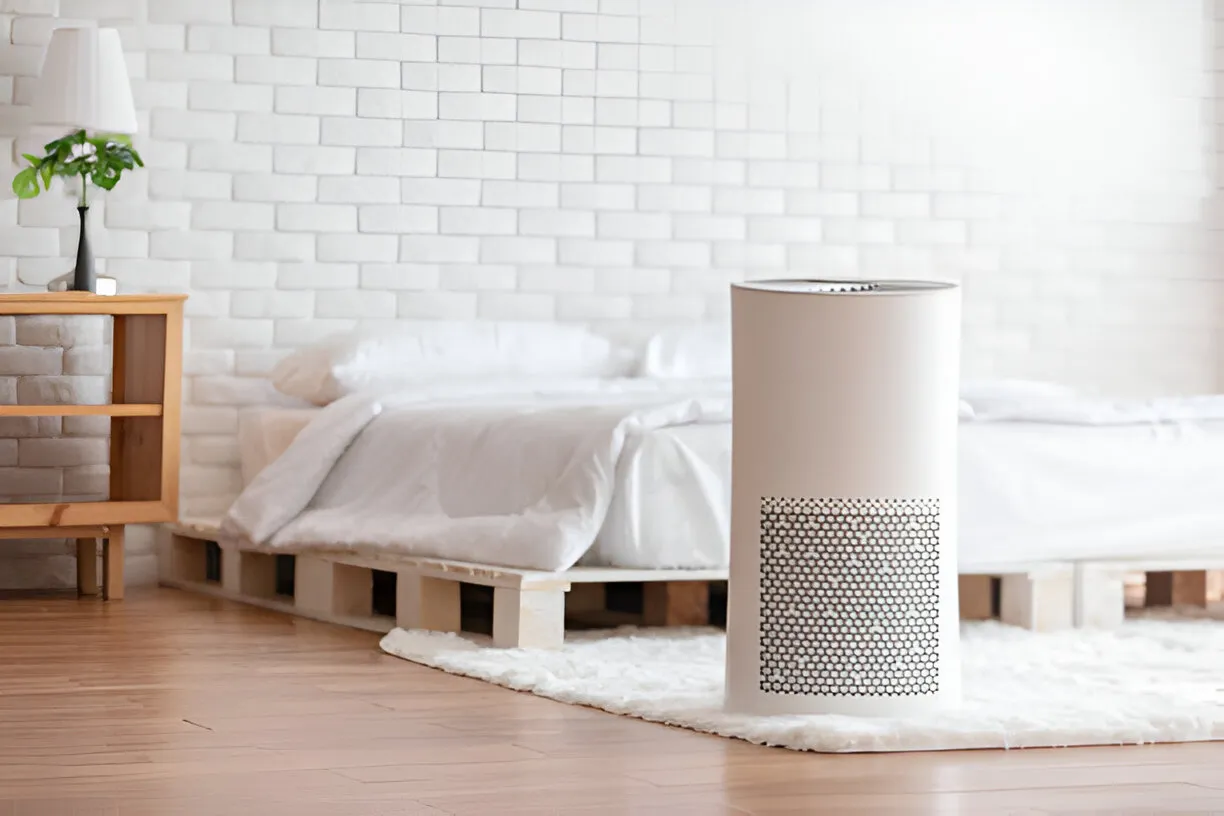
Why a whole-house system matters in Clintonville, OH
- Summer humidity in Columbus-area neighborhoods often pushes indoor relative humidity above 60%, which promotes mold and dust mite growth.
- Older Clintonville homes and houses with basements or crawlspaces can trap moisture from ground seepage and poor ventilation, increasing the load on HVAC systems.
- A whole-house dehumidifier treats all living spaces consistently, preventing localized problems and reducing strain on air conditioning systems during peak humidity.
Common whole house dehumidifier issues in Clintonville, OH
- Undersized systems that cannot keep up during humid July and August days.
- Improper integration with the HVAC causing short-cycling or uneven humidity between floors.
- Condensate drainage problems, especially in basements where gravity drainage is difficult.
- Frozen coils or auto-defrost failures in cooler months when setpoints are aggressive.
- Lack of regular maintenance, leading to clogged filters, reduced capacity, and higher energy use.
Sizing guidelines — how much capacity you need
Sizing is about more than square footage. Consider:
- Home size and number of levels. Larger, multi-level homes need higher capacity.
- Presence of a basement, crawlspace, or sinked slab that adds moisture load.
- Occupancy and moisture-producing activities: families, frequent showers, cooking, and houseplants increase demand.
- Local climate: Clintonville’s humid summers mean selecting a system rated for higher moisture removal.
General guideline (starting points):
- Small homes or tight condos: 50–70 pints/day capacity equivalent at AHAM conditions.
- Average single-family homes (1,800–2,500 sq ft) with basement: 70–100+ pints/day.
- Large homes, high occupancy, or persistent basement dampness: 100–140+ pints/day.
A professional humidity load calculation will refine these numbers to match your specific Clintonville home and lifestyle.
Integration with existing HVAC
Two common approaches:
- In-duct (connected to HVAC return plenum): The dehumidifier sits in the return or supply plenum and uses the central air handler for airflow. Benefits: even distribution and hidden equipment. Considerations: requires proper bypass ducting and coordination with air handler fan controls to avoid short-cycling.
- Dedicated ducted/stand-alone whole-house unit: Installed adjacent to the air handler with its own fan and duct connections. Benefits: independent control and often better performance in very humid conditions. Considerations: needs space and electrical supply.
Key integration points:
- Ensure compatible airflow and static pressure limits for both units.
- Coordinate controls so the home maintains a target relative humidity without conflicting thermostat or economizer functions.
- Verify electrical requirements — some units require a dedicated circuit.
Installation and condensate management
Proper condensate handling is critical in Clintonville homes, especially those with basements or slab construction:
- Gravity drain is simplest when the unit is above a floor drain.
- Condensate pump is required when gravity drainage is not possible; pumps must be sized for vertical lift and run length.
- Route drainage to an appropriate outlet per local code: floor drain, sump, or approved sanitary connection. Avoid discharging to exterior landscaping where freezing can occur in winter.
- Install a condensate trap and check valve as required to prevent air leaks and sewer backflow.
- Allow for service access, airflow clearances, and future maintenance in the mechanical room layout.
Controls and monitoring
Modern whole-house dehumidifiers offer:
- Built-in humidistats with setpoint control (common target: 40–50% RH for comfort and mold control).
- Integration with smart thermostats or home automation for remote monitoring and scheduling.
- Alerts for condensate pump failure, high humidity, or maintenance reminders.
- Auto-defrost cycles for reliable operation at lower temperatures during shoulder seasons.
For Clintonville homeowners who want data, choose systems that report runtime and humidity trends so you can see seasonal performance.
Energy efficiency considerations
Dehumidification uses electricity, so efficiency matters:
- Compare moisture removal per kWh or the unit’s rated efficiency; higher removal for less energy is better.
- Proper sizing reduces runtime and energy waste. Oversized units may short-cycle and be less efficient.
- Coordinated operation with the HVAC system (for example, running the air handler fan during dehumidification) can improve distribution while minimizing peak AC use.
- Consider variable-speed models or units with humidity-based controls to reduce unnecessary operation during milder days.
Maintenance schedules and what to expect
Routine service keeps performance high and prevents failures:
- Monthly or quarterly: check and clean air filters, inspect condensate lines and pump, verify drain path is clear.
- Annually: professional inspection of coils, refrigerant charge, electrical connections, and control calibration; clean coils if dusty or soiled.
- Replace filters and perform any recommended component replacements per manufacturer guidance to maintain capacity and efficiency.
Simple homeowner checks: monitor relative humidity with a hygrometer (aim 40–50%), listen for unusual pump or blower noises, and confirm condensate is draining properly after extended operation.
Health, comfort, and long-term benefits
- Lower indoor humidity reduces mold growth, dust mite populations, and musty odors — important for allergy and asthma management.
- Protects wood floors, trim, cabinetry, and drywall from swelling, staining, and deterioration common in damp Clintonville basements.
- Improves perceived comfort so air conditioning doesn’t have to work as hard to remove moisture, potentially extending the life of existing HVAC equipment.
- Provides consistent whole-home conditions that portable units cannot deliver, avoiding problem spots and recurring remediation costs.
Whole-home dehumidification in Clintonville, OH, is an investment in indoor air quality, structural protection, and year-round comfort. Proper sizing, professional integration with your HVAC, reliable condensate management, and scheduled maintenance are the keys to long-term performance and energy-smart operation.
Hot Deals & Cool Savings

.webp)
New Service Agreement Membership
.webp)
Any New Client Service
Next Service for Referring a New Client
New Service Agreement Membership
Any New Client Service
Next Service for Referring a New Client
.webp)
.webp)

Service Areas
