
IAQ Products in Clintonville, OH
IAQ products for Clintonville, OH improve air quality and humidity control. Learn installation options and smart monitoring today.

IAQ Products in Clintonville, OH
Indoor air quality matters in Clintonville homes year-round. Tree-lined streets and older houses give this neighborhood charm, but also bring seasonal pollen, basement moisture in humid summers, and dry indoor air in winter. Choosing the right indoor air quality (IAQ) products—air purifiers, filters, humidifiers, dehumidifiers, ventilation systems, and sensors—reduces allergy symptoms, limits dust and mold growth, and improves comfort for residents with asthma or chemical sensitivities. Below is a practical, expert overview of common IAQ products, how each works, and how to select and maintain systems that fit Clintonville homes and health needs.
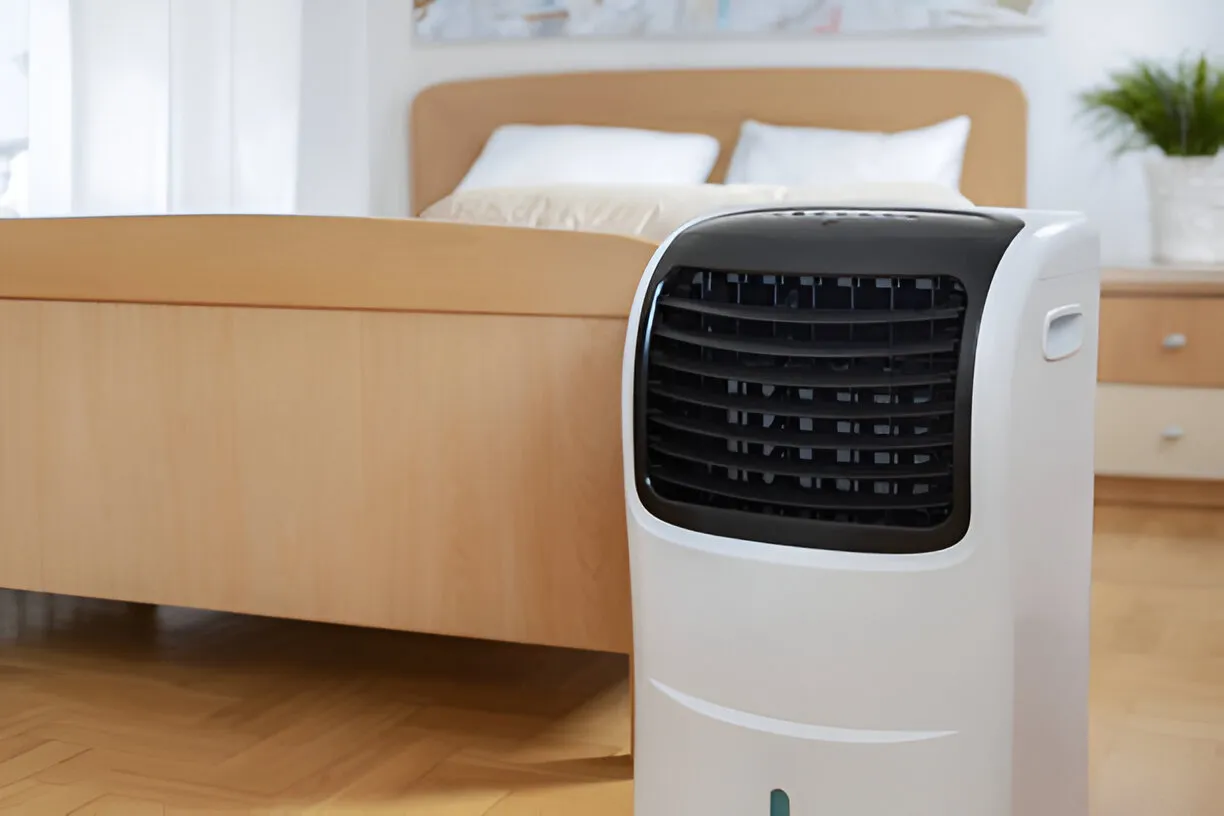
Common IAQ issues in Clintonville, OH
- Seasonal pollen and tree allergens in spring and early summer due to mature canopy and local landscaping.
- High indoor humidity and basement dampness during hot, humid summer months, increasing mold risk.
- Dry indoor air in winter from forced-air heating, causing dry skin and irritated airways.
- Indoor dust, pet dander, and fine particulates in older homes with leaky windows or older HVAC systems.
- Volatile organic compounds (VOCs) from household products, new finishes, or garage exhaust in attached garages.
IAQ products and how they work
Below are the primary IAQ product categories homeowners consider, with plain-language descriptions and performance notes.
- Air purifiers (portable, room-based)
- How they work: Pull room air through filters (typically HEPA) and sometimes carbon stages to remove particles and odors.
- Best for: Bedrooms, living rooms, and spaces where occupants spend the most time.
- Performance metric: CADR (Clean Air Delivery Rate), measured in cubic feet per minute (cfm). Match CADR to room square footage and desired air changes per hour (ACH).
- Whole-house filtration (HVAC filters)
- How it works: High-efficiency filters installed in the furnace/air handler filter air circulated through the ducted HVAC system.
- Best for: Continuous, whole-home particle reduction and protecting HVAC equipment.
- Performance notes: Look for MERV ratings appropriate for residential systems (commonly MERV 8–13). Higher MERV captures smaller particles but may need HVAC compatibility checks.
- Activated carbon filters and hybrid systems
- How they work: Carbon stages adsorb common household odors and many VOCs; often combined with particle filtration for broader coverage.
- Best for: Homes with cooking odors, pet smells, or new paint/flooring VOCs.
- Humidifiers (whole-house and portable)
- How they work: Add moisture to indoor air to reach recommended relative humidity (ideally 30–50%).
- Best for: Winter months when heated air becomes uncomfortably dry.
- Maintenance: Regular cleaning to prevent microbial growth; whole-house models integrate with the HVAC system for balanced distribution.
- Dehumidifiers (portable and whole-house)
- How they work: Lower indoor relative humidity to reduce mold, dust mite populations, and musty odors.
- Best for: Basements or naturally damp homes during humid Ohio summers.
- Performance metric: Capacity measured in pints per day; choose based on basement size and moisture load.
- Mechanical ventilation systems (ERV/HRV, supply or exhaust ventilation)
- How they work: Provide controlled fresh-air exchange while recovering energy; ERVs transfer moisture as well as heat, HRVs transfer heat only.
- Best for: Tighter, renovated Clintonville homes where natural infiltration is limited, or homes with indoor pollutant sources.
- Compliance: Designed to meet ASHRAE 62.2 ventilation recommendations for fresh-air exchange.
- IAQ sensors and smart monitors
- How they work: Measure CO2, PM2.5, relative humidity, VOCs, and temperature; some integrate with HVAC controls or smart purifiers.
- Best for: Ongoing monitoring to validate ventilation, detect high humidity or pollutant events, and guide when to run filtration or ventilation.
Selection criteria: sizing and health needs
Choose IAQ products based on these straightforward factors:
- Home size and layout
- For room purifiers, match CADR to room area and desired ACH (2–6 ACH for quicker removal of pollutants). For whole-house approaches, coordinate with HVAC capacity and ductwork.
- Specific health concerns
- Allergies/asthma: HEPA-level filtration and dehumidification where needed.
- Chemical sensitivities: Activated carbon stages and low-emission building practices.
- Mold history: Prioritize dehumidification, ventilation, and targeted air movement in basements and bathrooms.
- HVAC compatibility and duct condition
- Verify your furnace/blower can handle higher-efficiency filters (MERV 11–13); otherwise consider portable or standalone whole-house filtration upgrades or furnace blower modifications.
- Energy and noise considerations
- Look for ENERGY STAR rated fans/components where available; check purifier noise levels in decibels for bedroom use.
- Control and monitoring preferences
- Smart sensors and Wi-Fi-enabled units allow automated responses when PM2.5 or CO2 levels rise.
Installation, commissioning, and maintenance
Professional installation ensures systems operate as intended and deliver promised performance.
- Installation tasks
- Load calculation-style sizing for whole-house humidifiers/dehumidifiers and ventilation systems.
- Proper placement of portable purifiers (centrally, away from walls) and sensors (breathing zone, not near windows or vents).
- Duct sealing and balancing when integrating whole-house filtration or ventilation to avoid short-circuiting airflows.
- Commissioning
- Verify airflow rates, test for expected ACH or ventilation CFM, and confirm CADR-based coverage for room units.
- Calibrate sensors and confirm HVAC compatibility with higher-MERV filters.
- Routine maintenance
- Replace disposable filters on schedule (manufacturer guidance or performance-based replacement using pressure drop/sensor indicators).
- Clean humidifiers and dehumidifiers to prevent microbial growth; drain pans and coils checked seasonally.
- Recalibrate and periodically replace sensors according to manufacturer intervals.
- Seasonal considerations in Clintonville
- Winter: Increase humidification carefully to avoid condensation on windows; monitor for mold risk.
- Summer: Emphasize dehumidification and ventilation where outdoor air quality is acceptable; use filtration during high-pollen periods.
Certifications and performance metrics to look for
Choose products with recognized performance indicators and safety certifications:
- CADR (AHAM) ratings for room air purifiers — higher CADR means faster particle removal in a given space.
- HEPA ratings (true HEPA or HEPA H13/H14 where specified) — captures the vast majority of airborne particulates down to submicron sizes.
- MERV ratings for HVAC filters — shows particle-capture efficiency categories for residential systems.
- ENERGY STAR for energy-efficient fans, dehumidifiers, and some whole-house systems.
- UL/ETL safety listings and CARB compliance for ozone emissions where applicable.
- ASHRAE 62.2 guidance for whole-house ventilation rates; AHRI ratings for HVAC-integrated equipment performance.
Benefits and practical maintenance tips
Investing in appropriate IAQ products improves sleep, reduces allergy and asthma triggers, and protects finishes and electronics from excessive humidity. Practical tips for Clintonville residents:
- Monitor humidity and aim for 30–50% to balance comfort and mold prevention.
- Run portable purifiers in bedrooms overnight during high pollen seasons.
- Schedule seasonal HVAC checks focused on filter fit, duct sealing, and humidity control.
- Use sensors to guide when to ventilate (avoid opening windows during peak pollen or poor outdoor air quality).
Choosing the right combination of purifiers, filters, humidity control, ventilation, and sensors tailored to your Clintonville home and health needs delivers measurable improvements in comfort and indoor air safety. Professional sizing, careful installation, and planned maintenance keep systems performing and residents breathing easier throughout the year.
Hot Deals & Cool Savings

.webp)
New Service Agreement Membership
.webp)
Any New Client Service
Next Service for Referring a New Client
New Service Agreement Membership
Any New Client Service
Next Service for Referring a New Client
.webp)
.webp)

Service Areas
