
Whole House Humidification in Baltimore, OH
Whole house humidification for Baltimore, OH homes. Learn how to choose, install, and maintain systems for comfortable, healthy indoor humidity. Learn more.

Whole House Humidification in Baltimore, OH
Maintaining balanced indoor humidity is one of the most effective ways to improve comfort, protect wooden floors and furniture, and reduce cold-weather complaints in Baltimore, OH homes. Winters in central Ohio tend to be cold and dry once the furnace runs, which can cause cracked trim, shrinking gaps in hardwood floors, increased static shock, and respiratory irritation. Whole house humidification systems deliver controlled moisture through your existing HVAC system so every room stays within the healthy, comfortable range without portable humidifiers or room-to-room variation.
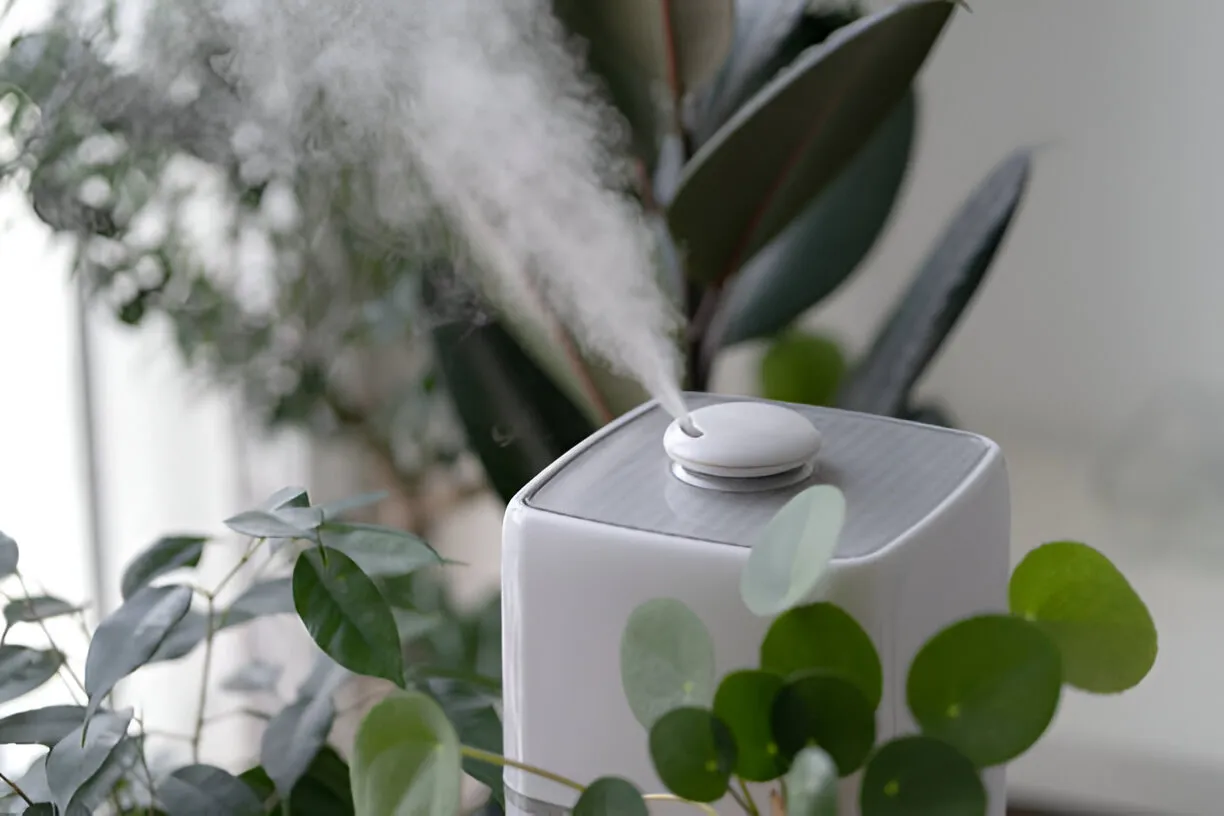
Common whole-house humidification systems
Understanding the three main system types helps you choose the right solution for your home layout, HVAC type, and maintenance preferences.
- Steam humidifiers
- Pros: Fast, precise humidity control; works independently of furnace airflow; best for very tight or large homes.
- Cons: Higher energy use than evaporative options; requires careful water-quality management to prevent scale.
- Bypass (evaporative) humidifiers
- Pros: Low energy use, simple design, uses existing furnace blower/airflow to distribute moisture.
- Cons: Depends on furnace operation to move air; less effective when furnace fan is off.
- Fan-powered evaporative humidifiers
- Pros: Built-in fan distributes moisture even when furnace blower is cycling less frequently; more consistent output than bypass models.
- Cons: Slightly higher electricity use and more moving parts than bypass units.
Why optimal indoor humidity matters in Baltimore, OH
- Comfort: Proper humidity reduces the perception of cold, making homes feel warmer at the same thermostat setting.
- Health: Maintains mucous membrane hydration, reducing dry throats, irritated sinuses, and some respiratory discomfort common during heated indoor seasons.
- Preservation: Prevents cracks and gaps in hardwood floors, trim, millwork, and antique furniture found in many older Ohio homes.
- Static control: Reduces static electricity that can damage electronics and cause nuisance shocks.
- Indoor air quality: Helps settle dust and allergens without creating condensation when properly controlled.
How systems integrate with existing HVAC
Whole-house humidifiers are designed to work with forced-air systems or ducts. Typical integration points:
- Mounted on supply plenum or duct near the furnace so humidified air distributes through the ductwork.
- Steam units can be installed directly in ducts or into a bypass loop and can operate independently of furnace firing.
- Controls connect to the thermostat or a dedicated humidistat; smart controls can coordinate with your heating system to avoid condensation on cold windows.
- Electrical and water supply lines are required for most systems; steam units need higher electrical capacity and a drain for maintenance.
Compatibility notes for Baltimore, OH homes: many local homes use forced-air furnaces or heat pumps. Bypass and fan-powered units pair naturally with furnaces. Steam works well where heat pump systems or conditioned basements limit furnace-on time, since steam does not rely on furnace airflow.
Sizing and water-quality considerations
- Sizing: Proper sizing is not just square footage. Installers calculate whole-home humidification needs from house volume, insulation tightness, window area, desired indoor relative humidity (typically 30-45% in winter), and typical outdoor winter temperatures. A correctly sized system avoids underperformance or over-humidification.
- Water quality: Baltimore, OH water hardness and mineral content affect maintenance and component life, especially in steam systems. Hard water leads to scale and "white dust" for evaporative systems.
- Treatment options:
- Replaceable scale-control cartridges or water panels for evaporative units.
- Built-in drain cycles, demineralization cartridges, or use of treated/distilled water for steam units.
- When scaling is severe, point-of-use or whole-home water softening or RO systems may be recommended.
Installation and maintenance procedures
Installation overview:
- Mounting on the furnace plenum or return/supply duct, connecting to cold-water supply, and installing a drain line as required.
- Electrical hookup and integration with humidistat or thermostat.
- Placement of humidity sensors to avoid false readings (not too close to bathrooms, kitchens, or exterior doors).
Typical maintenance tasks and frequency:
- Annual inspection and spring cleanup: check seals, electrical connections, and control calibration.
- Replace evaporative pads or water panels every heating season or per manufacturer guidance.
- Descale or descale cartridges for steam units as needed; inspect steam electrodes and replace if corroded.
- Keep drain lines clear and ensure valves operate.
- Clean or replace pre-filters if your humidifier uses them.
Seasonal tips: Disable or winterize systems in spring if you open windows frequently; check settings before the next heating season to avoid condensation damage.
Control options and energy use
Control options:
- Manual humidistats: basic on/off humidity control.
- Automatic humidistats integrated with thermostats: maintain target RH with fewer adjustments.
- Smart humidity controls: use multiple sensors and weather data to prevent window condensation and optimize runtime.
- Zoning: combine with HVAC zoning to avoid overhumidifying areas that need less moisture.
Energy use:
- Bypass systems use minimal extra energy since they rely on the furnace blower.
- Fan-powered units use the fan motor; energy draw is modest.
- Steam humidifiers use more electricity to generate vapor but provide rapid, precise control.Energy-saving strategy: set winter humidity targets conservatively based on outdoor temperature and insulation; modern controls can reduce runtime while maintaining comfort.
Troubleshooting common issues
- Low output: check water supply, clogged water panels, or incorrect humidistat settings; verify system is sized correctly.
- Over-humidifying and window condensation: reduce setpoint, check for poor ventilation or inadequate insulation at windows, and calibrate humidistat placement.
- White dust: mineral carryover from hard water; consider scale-control cartridges or treated water.
- Odors or bacterial growth: ensure regular cleaning and proper drain function; avoid standing water.
- Noisy operation: loose mounting, fan issues in fan-powered units, or air turbulence at installation location.
Cost and warranty considerations
Cost factors to evaluate (without specific price figures):
- System type and capacity: steam tends to be more expensive to purchase and install than evaporative options.
- Installation complexity: duct modifications, electrical upgrades, water line routing, and drain work affect installation costs.
- Water treatment needs: additional equipment for hard water increases upfront cost but reduces long-term maintenance.
- Control features: smart controls and multi-sensor setups add to system cost but can improve performance and reduce energy waste.
Warranty and protection:
- Manufacturer warranties typically cover parts; coverage ranges depending on model and component (elements and motors may have different terms).
- Ask about warranties for the humidifier itself and any components like pumps or control modules, and confirm whether installation workmanship is guaranteed by the installer.
- Keep maintenance records to preserve warranty coverage and maximize equipment life.
Maintaining balanced indoor humidity in Baltimore, OH delivers measurable comfort, health, and preservation benefits for homes of all ages. Choosing the right system involves matching home size, HVAC type, water quality, and control preferences; proper installation and seasonal maintenance are essential to reliable performance and long-term protection of woodwork and furnishings.
Hot Deals & Cool Savings

.webp)
New Service Agreement Membership
.webp)
Any New Client Service
Next Service for Referring a New Client
New Service Agreement Membership
Any New Client Service
Next Service for Referring a New Client
.webp)
.webp)

Service Areas
