
IAQ Products in Baltimore, OH
IAQ products installation in Baltimore, OH: explore whole-house and portable filtration, humidity control, and ventilation. Learn more.

IAQ Products in Baltimore, OH
Indoor air quality matters year-round in Baltimore, OH. Seasonal pollen, humid summers, cold-dry winters, and older homes with basements make households prone to allergens, mold, and stale air. Choosing the right mix of indoor air quality products helps protect family health, improve comfort, and keep HVAC systems running efficiently. Below is a practical, decision-focused guide to the full range of IAQ products, how they perform, what to expect from installation and upkeep, and how to match solutions to common local needs.
Why IAQ matters in Baltimore, OH
Baltimore, OH homes often experience:
- High pollen loads in spring and summer from surrounding trees and fields.
- Elevated indoor humidity during hot summers and poor basement ventilation leading to mold risk.
- Very dry indoor air during winter heating seasons, which aggravates respiratory conditions.
- Dust and soil-borne particulates tracked into homes or entering through older ductwork.
These local factors make a combined IAQ approach more effective than a single device. Whole-house and targeted solutions work together to reduce particles, control moisture, and limit biological growth.
IAQ product overview and how each improves home health
- In-duct purifiers (electronic air cleaners, bipolar ionization, in-duct media filters)
- Purpose: Treat the air distributed by the HVAC system to reduce particles, odors, and some microbes.
- Benefits: Whole-house coverage, minimal room-to-room gaps, integrates with existing ductwork.
- Notes: Choose units with verified performance and ozone-safe certifications for residential use.
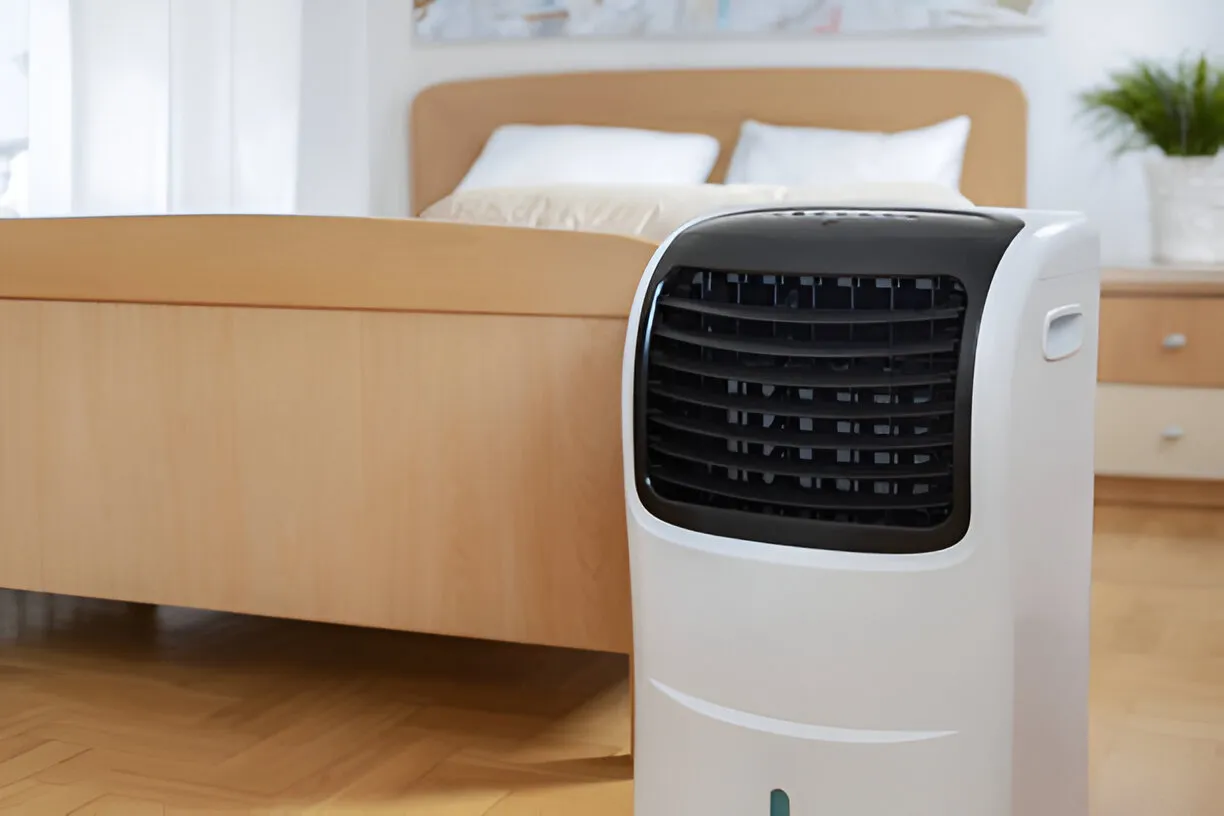
- Standalone air cleaners (true HEPA, portable units)
- Purpose: High-efficiency particle removal in specific rooms.
- Performance metric: CADR (Clean Air Delivery Rate) tied to room size; true HEPA captures 99.97% of particles 0.3 micron and larger.
- Best for bedrooms, living rooms, or homes without central HVAC.
- Humidifiers (furnace-mounted or whole-house)
- Purpose: Add controlled moisture during winter to reduce dry skin, static, and respiratory irritation.
- Installation: Integrated with furnace; requires water line and periodic cleaning to avoid mineral buildup.
- Dehumidifiers (whole-house or standalone)
- Purpose: Control excess humidity in basements and living spaces to prevent mold and musty odors.
- Whole-house units typically integrate with existing HVAC condensate drain systems.
- High-efficiency filters (MERV-rated media)
- Purpose: Continuous particle capture in the HVAC return.
- Guidance: MERV 8 to MERV 13 commonly used in homes; higher MERV yields better filtration but check HVAC fan capacity and manufacturer recommendations.
- UV germicidal lights (in-duct or coil-mounted UV-C)
- Purpose: Inhibit microbial growth on coils and reduce airborne microbial load.
- Best used with filtration to limit particle shielding of microbes; bulbs require annual replacement for peak effectiveness.
- Ventilation accessories (ERVs, HRVs, fresh air intakes, smart vents)
- Purpose: Bring controlled outdoor air inside while exchanging heat or humidity to preserve comfort and energy efficiency.
- Especially useful in tightly sealed or recently weatherized homes to address stale air and pollutants.
Performance specs and key certifications to look for
- CADR: Higher CADR means faster pollutant removal for specified room sizes. Use the CADR formula to size portable units.
- HEPA standard: True HEPA captures 99.97% at 0.3 micron.
- MERV ratings: MERV 8 to 13 are typical for residential systems; MERV 13 recommended for allergy and smoke concerns if HVAC allows.
- UV-C wavelength: Effective UV-C for germicidal use typically centered near 254 nm; verify lamp output and replacement interval.
- Certifications and verifications: AHAM Verifide for CADR performance, ENERGY STAR for energy efficiency where applicable, UL/ETL for safety, CARB compliance for ozone emissions in the device where required, and ASHRAE guidance for ventilation and filtration compatibility.
Comparing products for common Baltimore, OH concerns
- Allergies and pollen: Combine a high-efficiency in-duct filter or MERV 13 where possible, plus a true HEPA portable in bedrooms. Aim for 4 to 6 air changes per hour in sleeping areas for sensitive individuals.
- Mold and basement moisture: Prioritize whole-house or high-capacity basement dehumidification and improved ventilation. Use UV on coils if mold on the HVAC coil is present.
- Dry winter air and respiratory comfort: Whole-house humidifiers provide even humidity control; avoid over-humidifying, which can encourage mold.
- Smoke from distant fires or indoor smoke: Portable HEPA cleaners with high CADR placed centrally and sealed rooms are effective; consider higher-MERV in-duct filtration if HVAC can accommodate it.
- New construction or renovations (VOC off-gassing): Increased fresh ventilation such as ERV/HRV combined with filtration reduces VOC concentration and brings in moderated outdoor air.
Sizing and selection basics
- Room sizing for portable cleaners: Use CADR = (Room volume in cubic feet x desired ACH) / 60. For allergy relief or smoke, target 4 to 6 ACH.
- Whole-house systems: Work with an HVAC professional to assess duct design, static pressure limits, and blower capacity when adding high-MERV filters, in-duct purifiers, or humidification systems.
- Combination approach: In most Baltimore homes, a recommended baseline is a quality MERV 8-11 or MERV 13 in-duct filter plus targeted portable HEPA cleaners for bedrooms, and a humidity control device sized to the home’s square footage and basement conditions.
Installation and maintenance expectations
- Installation
- In-duct devices and whole-house humidifiers/dehumidifiers require professional installation, duct modifications, electrical connections, and in some cases a condensate or water line.
- Portable cleaners require no installation but need correct placement and unobstructed airflow.
- ERV/HRV installation may require core drilling and wall or roof vents.
- Maintenance
- Filters: Replace or clean per manufacturer guidance; common practice is every 1 to 3 months for filters in active homes, more often with pets or smokers.
- HEPA units: Replace HEPA module per life expectancy and pre-filter maintenance monthly.
- UV lamps: Replace annually or per rated hours to retain germicidal output.
- Humidifiers: Seasonal cleaning and disinfecting, and descaling as needed.
- Dehumidifiers: Regular condensate line checks, periodic coil cleaning, and annual service for whole-house units.
Cost considerations and program notes
Installation and product selection depend on home size, existing HVAC capacity, duct layout, and the specific IAQ goals. Higher-efficiency whole-house equipment and professional installation increase upfront investment but often yield better performance and system longevity. Homeowners should be aware that rebates, incentive programs, and financing choices may be available through local utilities or energy programs; eligibility varies by program and region.
Final benefits and simple upkeep advice
Properly selected IAQ products reduce allergy symptoms, limit mold risk, protect HVAC equipment, and improve overall comfort across Baltimore, OH seasons. For practical upkeep:
- Keep supply and return registers unobstructed.
- Replace filters on a schedule and inspect portable units monthly.
- Monitor indoor humidity with a hygrometer and aim for seasonal targets: lower during summer to prevent mold, and moderate during winter to prevent dryness.
Choosing the right mix of in-duct purification, targeted portable filtration, humidity control, and ventilation accessories tailored to Baltimore, OH conditions offers measurable health and comfort benefits. A coordinated approach ensures year-round protection against local allergens, moisture issues, and seasonal air quality challenges.
Hot Deals & Cool Savings

.webp)
New Service Agreement Membership
.webp)
Any New Client Service
Next Service for Referring a New Client
New Service Agreement Membership
Any New Client Service
Next Service for Referring a New Client
.webp)
.webp)

Service Areas
