
Whole House Dehumidifiers in Lithopolis, OH
Whole House Dehumidifiers installation in Lithopolis, OH helps control humidity and prevent mold. Learn more and schedule a consultation today.

Whole House Dehumidifiers in Lithopolis, OH
Keeping indoor humidity under control is essential in Lithopolis, OH, where hot, humid summers and seasonal groundwater changes make basements and lower levels prone to dampness, mold, and musty odors. Whole house dehumidifiers provide a comprehensive, permanent solution for moisture control across the entire HVAC-served space.
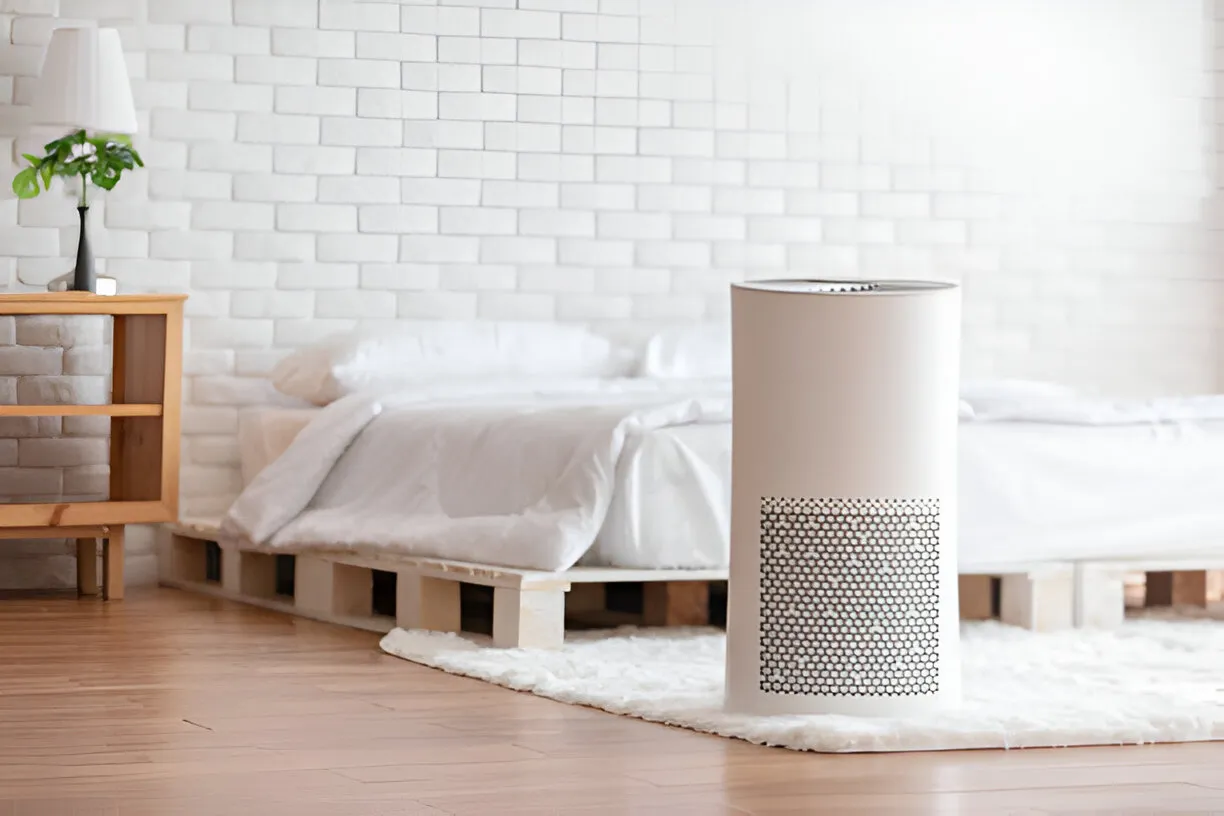
Why whole house dehumidification matters in Lithopolis, OH
- Summers in central Ohio bring high relative humidity that makes interiors feel warmer and increases mold risk.
- Older homes and houses with basements or slab edges may experience persistent moisture from soil and spring runoff.
- Controlling humidity protects finished basements, wood floors, drywall, electronics, and family health by reducing allergens and dust mite populations.A whole house dehumidifier treats the entire conditioned space rather than a single room, giving consistent humidity control and better indoor air quality.
Common whole-house dehumidifier types and how they differ
- HVAC-integrated (in-duct) dehumidifiers: Installed in the return or supply ductwork and work with your furnace or air handler. They remove moisture as air circulates through the central system. Best for even, whole-home control with minimal visible equipment.
- Bypass-style dehumidifiers: Use existing furnace blower to move air through the dehumidifier. They are efficient in homes with central forced-air systems and provide continuous moisture removal.
- Dedicated standalone whole-house units: Self-contained systems that include their own fans and controls, ducted into the return and supply. They can be located in basements or mechanical rooms and are a good choice when integration with the existing HVAC is limited.
- Remote-condensing units (for unheated spaces): For installations where the mechanical room is in an unconditioned space, these separate the condensation process to avoid freezing issues in winter.
Each type has trade-offs in cost, complexity, and integration. In Lithopolis homes with existing ducted HVAC, a ducted or bypass-style unit usually delivers the best balance of performance and efficiency.
Sizing guidance: match capacity to home needs
Sizing a whole house dehumidifier requires more than square footage. Key factors include home size, ceiling height, number of occupants, basement status, and local humidity load. General considerations:
- Determine conditioned square footage and volume of basement or lower levels.
- Assess current indoor relative humidity (RH) and typical summer outdoor RH.
- Consider chronic moisture sources: damp crawlspaces, sump pits, or frequent wet laundry.As a rule of thumb, typical single-family homes in Lithopolis (1200 to 2500 sq ft) will often need units rated roughly 40 to 80 pints per day under standard test conditions, with higher capacities for finished basements or high moisture loads. Professional sizing based on a moisture load calculation ensures reliable performance and avoids oversizing or undersizing.
Recommended installation locations
- Basements or mechanical rooms: Common and convenient, with proximity to drains and HVAC equipment.
- Inside ductwork: For integrated units, the return or supply duct near the air handler is ideal.
- Near a condensate drain or pump: Install where gravity drainage is available or where a condensate pump can be used.
- Avoid unheated attics for standard units unless a remote-condensing option or adequate freeze protection is provided.Proper placement ensures efficient airflow, reliable drainage, and easier maintenance.
Integration with existing HVAC and ducted systems
- Ducted dehumidifiers either use the home's blower (bypass) or their own fan (direct drive). Compatibility with the HVAC blower motor and control wiring should be confirmed.
- Pairing a dehumidifier with a variable-speed ECM blower improves humidity control and energy efficiency by allowing low continuous airflow.
- Controls can be centralized on the HVAC thermostat or operate with independent dehumidistats. For balance, place the dehumidistat in a central living area, away from kitchens and bathrooms.
- Ensure airtight duct connections and correct bypass plenum sizing when integrating with the furnace to prevent pressure problems.
Energy efficiency considerations
- Look for units with AHRI or ENERGY STAR-related performance ratings for consistent expectations of moisture removal per kWh.
- Efficient models use variable-speed fans and advanced compressors, reducing runtime and electrical use while maintaining set RH.
- Running a dehumidifier can reduce HVAC cooling runtimes in humid summer conditions because lowering moisture improves perceived comfort. Properly sized systems avoid excessive cycles that waste energy.
- Using targeted dehumidification only when needed, rather than continuous maximum operation, delivers the best efficiency.
Maintenance and drain requirements
- Regular maintenance keeps performance reliable and prevents issues:
- Clean or replace air filters per manufacturer schedule (typically every 3 to 12 months).
- Inspect coils for dust and clean annually to maintain capacity.
- Check condensate lines for clogs and confirm proper slope for gravity drains or test condensate pump operation.
- Verify dehumidistat calibration and electrical connections periodically.
- Drain options:
- Gravity drain to a floor drain or utility sink is simplest.
- Condensate pump required where gravity drainage is not possible; pumps need occasional cleaning and testing.
- For homes prone to freezing, ensure condensate routing or remote-condensing solutions prevent freeze blockages.
Typical outcomes for basements and humid climates
- Most homeowners see indoor RH drop to the 40 to 50 percent range, which is comfortable for occupants and hostile to mold and dust mites.
- Finished basements maintain lower moisture levels, reducing musty odors, paint blistering, and warped wood.
- HVAC systems may run more efficiently because dry air holds less latent heat; occupants often report improved comfort at slightly higher thermostat settings.
- Reductions in visible mold growth and in humidity-related complaints are common within weeks of correct installation and commissioning.
Final considerations for Lithopolis homeowners
Whole house dehumidifiers are particularly valuable in Lithopolis because of warm, humid summers and the prevalence of basements. Choosing the right system involves matching unit type and capacity to your home’s layout and moisture challenges, ensuring proper integration with your HVAC, and planning for dependable drainage and maintenance. When properly sized and installed, a whole house dehumidifier delivers measurable improvements in comfort, indoor air quality, and protection for your home’s finishes and stored belongings.
Hot Deals & Cool Savings

.webp)
New Service Agreement Membership
.webp)
Any New Client Service
Next Service for Referring a New Client
New Service Agreement Membership
Any New Client Service
Next Service for Referring a New Client
.webp)
.webp)

Service Areas
