
Whole House Air Purifiers in Lithopolis, OH
Discover whole house air purifiers for Lithopolis, OH. Learn installation options, performance, and maintenance to improve indoor air quality.

Whole House Air Purifiers in Lithopolis, OH
Indoor air quality matters year-round in Lithopolis, OH. Seasonal pollen, spring agricultural dust, humid summers that encourage mold, and long winter heating cycles that recirculate indoor air all increase the benefits of a properly designed whole house air purifier system.
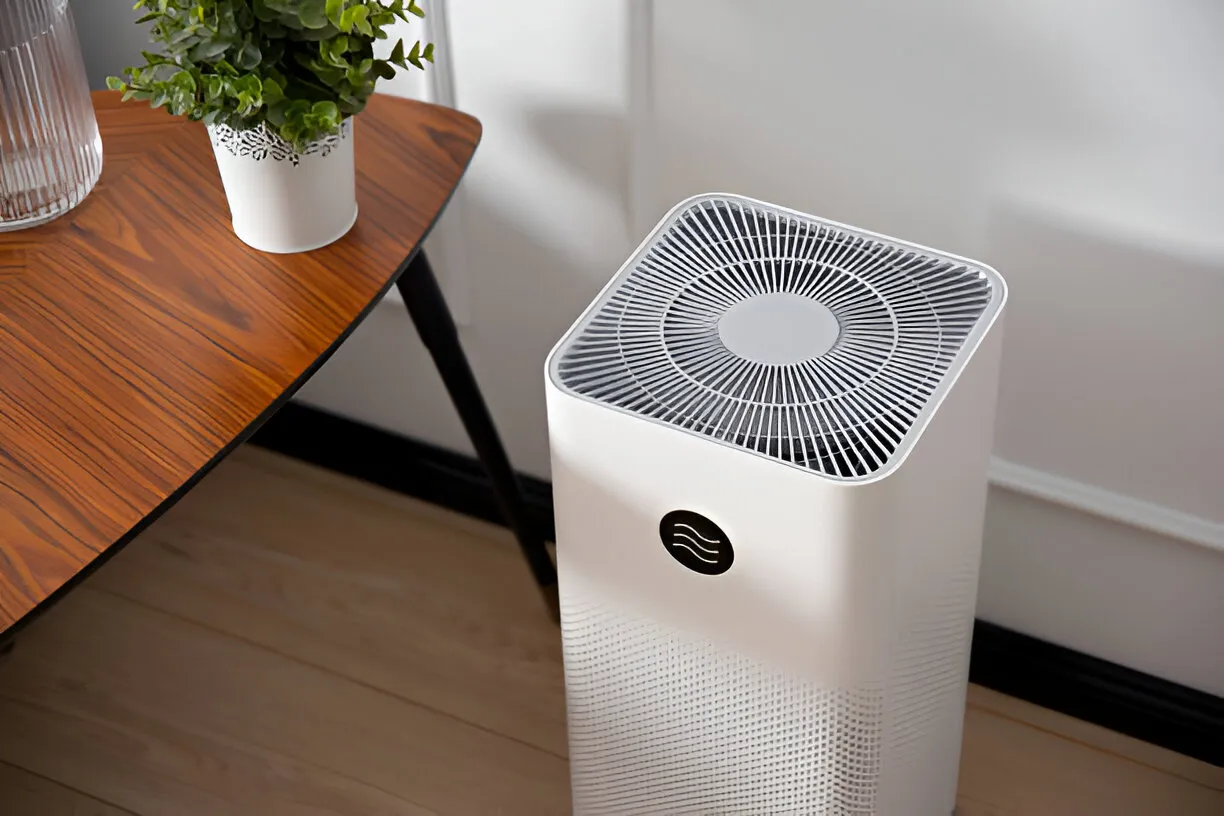
Common whole house air purifier options
- HEPA (True HEPA) in-duct systems: Capture 99.97% of particles 0.3 microns and larger. Excellent for pollen, dust, pet dander, and smoke particles.
- High-efficiency MERV filters (MERV 13-16): Less restrictive than in-duct HEPA options in many existing systems; capture many fine particles with lower pressure drop when sized correctly.
- Activated carbon filters: Target odors and gaseous pollutants (VOCs) from paints, cleaning products, and off-gassing building materials — important after home renovations or during high summer VOC periods.
- UV-C germicidal systems: Installed near the coil/home return to reduce microbial growth on HVAC components and inactivate bacteria and viruses passing through the system.
- Electronic/ionizing air cleaners and electrostatic precipitators: Remove fine particles by charging and collecting them on plates; can be effective but require regular maintenance and selection of low-ozone models.
Typical air quality issues in Lithopolis, OH
- High spring and early summer pollen leading to allergy symptoms
- Agricultural dust and road dust in rural properties
- Increased indoor humidity in summer promoting mold and microbial growth
- Winter recirculation of indoor pollutants from home activities and heatingThese local factors make a whole house solution more effective than room-by-room units for consistent air quality throughout the home.
How whole house systems integrate with existing HVAC
- In-duct purifiers are mounted in the return or supply plenum, sealed to prevent bypass and sized to the HVAC blower’s capacity.
- UV-C lights are commonly installed at the coil and drain pan area to reduce microbial growth, improving coil efficiency and indoor air health.
- Electronic cleaners require a dedicated electrical connection and access panels for routine cell cleaning.
- Proper integration often requires checking blower capacity and static pressure tolerance. Homes with older single-speed blowers may need a variable-speed blower or fan upgrade to maintain airflow with higher-efficiency filters.
Sizing and performance metrics to evaluate
- CADR (Clean Air Delivery Rate): Useful when comparing devices. For whole house systems, calculate the CADR needed using room or home volume and desired air changes per hour (ACH).
- Example: 2,500 sq ft home × 8 ft ceilings = 20,000 ft3. For 2 ACH: CADR = (20,000 × 2) / 60 = 667 CFM.
- ACH (Air Changes per Hour): Typical whole house targets range from 1 to 4 ACH depending on sensitivity (higher for severe allergies).
- MERV rating vs HEPA: MERV 13 captures many fine particles but not as efficiently as HEPA for the smallest particles. In-duct HEPA requires careful sealing and often more fan capacity.
- Static pressure and CFM: High-efficiency filters add pressure drop. The HVAC system must maintain adequate CFM without overworking the blower.
- Particle reduction expectations: A properly selected and installed whole house HEPA system can reduce particulate levels dramatically; exact performance depends on sealing, ventilation, and continuous operation.
Health and allergy benefits
- Significant reduction in pollen, dust mite allergens, pet dander, and fine particulate matter (PM2.5), which commonly trigger allergic and respiratory symptoms.
- Activated carbon stages can reduce odors and many VOCs, improving comfort after painting, cleaning, or during high-traffic events.
- UV-C systems reduce microbial load on coils and in aerosols passing through the system, which helps reduce mold spores and bacterial growth that aggravate asthma.
- For allergy and asthma sufferers, combining particulate filtration (HEPA or high MERV) with source control and humidity management offers the best results.
Typical installation process
- Assessment: Inspect HVAC system, ductwork condition, blower capacity, and indoor air quality concerns specific to the home.
- System selection: Choose the filtration or purification combination that addresses particulate, VOC, and microbial needs while matching HVAC capabilities.
- Duct and plenum preparations: Seal return plenums and ensure adequate access for media or electronic units.
- Mounting and electrical: Install in-duct units, UV-C lamps, or electronic cleaners and provide required electrical connections.
- Commissioning and testing: Verify airflow, static pressure, and operation. Optional baseline IAQ measurements (PM2.5, VOCs) can document before-and-after performance.
- Owner orientation: Explain maintenance schedules, filter replacement locations, and how to monitor performance.
Routine maintenance and filter replacement schedules
- Pre-filters: Check every 1-3 months; replace as needed to protect downstream media and maintain airflow.
- Activated carbon media: Typically replaced every 6-12 months depending on VOC load and odor control needs.
- In-duct HEPA: Inspection annually; replacement intervals commonly 1-3 years depending on use and dust load.
- Electronic cleaner cells: Clean monthly to quarterly; frequency depends on home dust levels. Replace components per manufacturer guidance.
- UV-C lamps: Replace annually to maintain germicidal effectiveness; bulbs lose output even when lit.Regular maintenance preserves performance, avoids larger energy costs, and keeps warranties valid.
Energy considerations
- Higher-efficiency filters increase static pressure and can raise fan energy use or reduce airflow if the system is not matched. Variable-speed blowers are more energy-efficient when paired with high-efficiency filtration.
- Balance filtration performance with energy use: sometimes a staged approach (pre-filter + MERV 13 + targeted activated carbon or UV) provides strong performance with lower fan load than full in-duct HEPA.
- Consider runtime strategies: continuous low-speed operation provides consistent air cleaning with lower overall energy than intermittent high-speed runs.
Warranty and reliability expectations
- Equipment warranties vary; expect 1 to 5 years on mechanical components and shorter service life for consumables like UV bulbs.
- Warranties may require professional installation and documented maintenance records. Improper installation or neglect can void coverage.
- Choose systems certified for ozone emissions compliance where applicable and designed for in-duct use to avoid unintended side effects.
Realistic before-and-after indoor air quality expectations
- Particulate reductions: Many whole house HEPA or high-MERV systems reduce visible dust and airborne particulates dramatically — often 50-90% lower particulate counts in steady-state conditions.
- Odors and VOCs: Activated carbon stages can reduce many odors and some VOCs substantially, but heavily contaminated sources or continuous VOC generation require source control in addition to filtration.
- Symptom relief: Home occupants with allergies and asthma commonly report reduced symptoms within days to weeks when filtration, humidity control, and source reduction are combined.
- Limitations: No system removes all pollutants instantly. Continuous ventilation, source control (e.g., reducing indoor smoking and chemical use), and regular maintenance are essential to realize the full benefit.
A properly specified and installed whole house air purifier tailored to the typical seasonal and local challenges in Lithopolis, OH will deliver measurable improvements in indoor air quality, resident comfort, and long-term appliance performance when combined with routine maintenance and sensible energy planning.
Hot Deals & Cool Savings

.webp)
New Service Agreement Membership
.webp)
Any New Client Service
Next Service for Referring a New Client
New Service Agreement Membership
Any New Client Service
Next Service for Referring a New Client
.webp)
.webp)

Service Areas
