
IAQ Products in Lithopolis, OH
Explore IAQ products for Lithopolis homes, from purifiers to humidifiers and ventilation. Learn how to choose, install, and maintain healthier indoor air. Learn more

IAQ Products in Lithopolis, OH
Indoor air quality matters in Lithopolis, OH. Seasonal pollen, humid summers, cold dry winters, and older homes with basements or tight new-construction envelopes create common indoor air challenges like allergens, mold risk, and dry air.
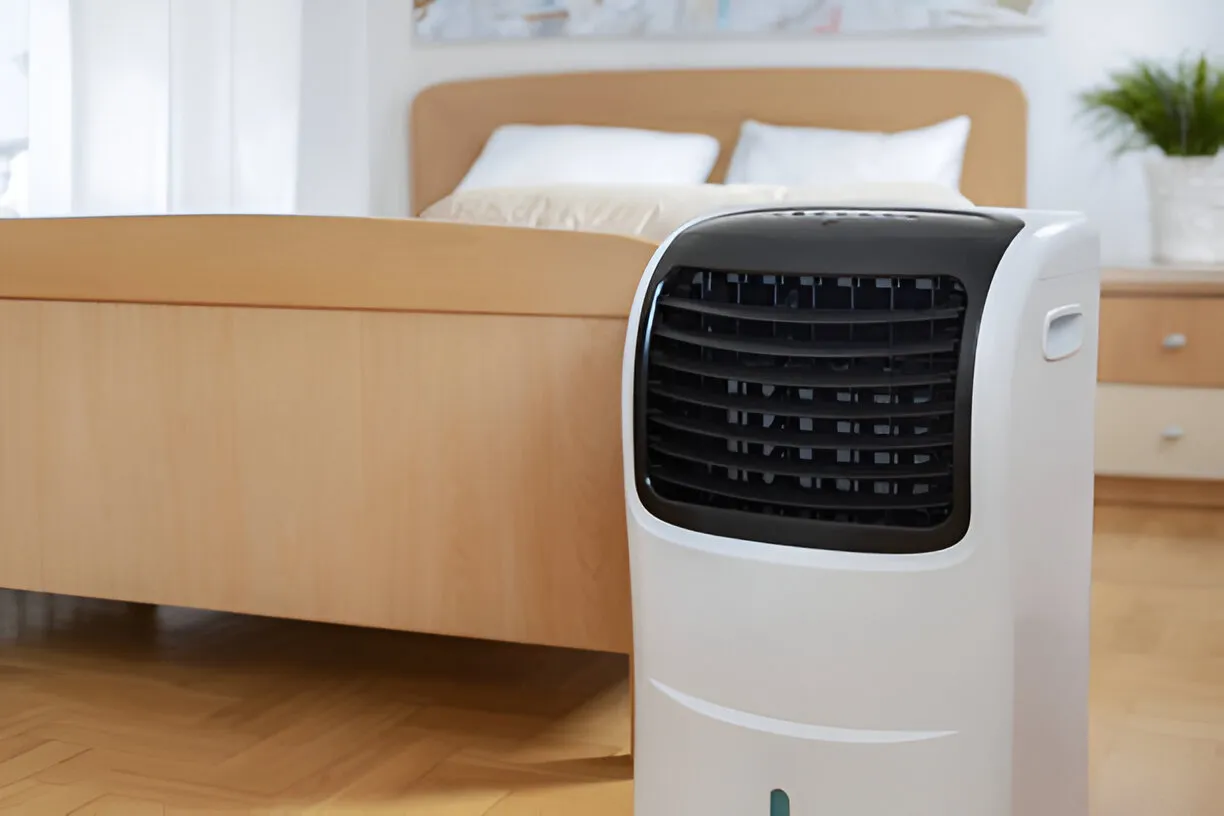
Why IAQ Products matter in Lithopolis homes
Lithopolis sits in a humid continental climate. Spring and early summer bring tree and grass pollen; summer humidity fuels mold growth in basements and crawl spaces; winter heating lowers indoor humidity and can aggravate asthma, dry skin, and static issues. Improving indoor air quality reduces allergy and asthma triggers, removes odors and volatile organic compounds, controls moisture-related problems, and helps HVAC systems operate more efficiently.
Common IAQ issues in Lithopolis, OH
- Seasonal pollen infiltration and agricultural dust during spring and summer.
- High indoor humidity in basements and lower levels, causing mold and musty odors.
- Over-dry air in winter causing respiratory irritation and increased static.
- Particulate buildup from cooking, fireplaces, and nearby outdoor sources.
- Volatile organic compounds from paints, cleaners, and new building materials.
IAQ product types and benefits
Whole-house purifiers
- What they are: Integrate with your existing HVAC system to clean the entire home. Options include electronic air cleaners, UV germicidal lights, and media filters.
- Benefits: Continuous filtration, reduced airborne particles and microbes, lower dust accumulation. Ideal for central-heated and -cooled Lithopolis homes and newer tight-construction houses where ventilation is limited.
- Best for: Allergy sufferers, households with pets, and those wanting whole-home coverage.
Humidifiers
- Types: Bypass, fan-powered, and steam humidifiers that connect to the HVAC system, plus standalone room humidifiers.
- Benefits: Maintain indoor relative humidity in the recommended 30 to 50 percent range to reduce cold-weather respiratory irritation and protect wood floors and furniture.
- Best for: Older homes with dry winter heating, households with infants or elderly family members.
Dehumidifiers
- Types: Whole-house dehumidifiers that integrate with HVAC, and portable units for basements.
- Benefits: Control excess moisture to prevent mold growth and musty odors, especially during hot, humid Ohio summers. Lowering humidity also improves comfort without overcooling.
- Best for: Homes with damp basements, finished lower levels, or moisture issues.
Ventilation solutions (ERV and HRV)
- What they are: Energy Recovery Ventilators (ERV) and Heat Recovery Ventilators (HRV) provide controlled fresh air exchange while transferring heat or moisture between incoming and outgoing air.
- Benefits: Improve indoor air freshness and dilute indoor pollutants while minimizing energy loss. ERVs help in humid climates by moderating incoming moisture.
- Best for: Newer, tightly sealed homes in Lithopolis or renovations that reduce natural infiltration.
Filters and specialty media
- Options: MERV-rated HVAC filters, true HEPA standalone units, activated carbon for odors and VOCs, and combined media for pollen and smoke.
- Benefits: Capture particles by size and remove odors and gases when using carbon-based media. Selecting the right MERV level balances filtration efficiency and HVAC airflow.
- Best for: All homes, with higher MERV/HEPA for severe allergies or indoor pollutant concerns.
How to choose the right equipment
- Evaluate home size and layout: Square footage, number of levels, and presence of basements determine required capacity. Whole-house systems are sized by HVAC airflow (CFM) and house volume. Portable units use Clean Air Delivery Rate (CADR) and recommended room coverage.
- Match to health needs: Allergies and asthma benefit from HEPA-level filtration and whole-house purifiers. Immune-compromised occupants may need higher filtration and UV germicidal elements.
- Consider local climate: In Lithopolis, prioritize dehumidification for basements and humidifiers for winter comfort. ERVs are useful in newer tight homes to manage fresh air without large energy penalties.
- Check compatibility: Ensure your existing HVAC fan can handle higher-efficiency filters or whole-house add-ons. Ductwork condition affects whole-house performance.
Installation overview and timeline
- Assessment: A qualified technician inspects HVAC capacity, duct condition, moisture sources, and current ventilation. Typical assessment takes 1 to 2 hours.
- System selection and sizing: Based on load calculations and house layout, the right equipment is specified. Sizing ensures effective humidity control and filtration without excessive noise or energy use.
- Installation steps:
- Prepare and, if needed, modify ductwork or electrical.
- Mount whole-house units or install point devices (humidifier, dehumidifier, ERV/HRV).
- Integrate controls with the thermostat or provide independent controls for humidity or purification levels.
- Commissioning and testing to confirm airflow, humidity setpoints, and proper operation.
- Typical timeline: Simple filter upgrades or standalone units can be done same day. Whole-house additions usually require a day or two depending on ductwork complexity.
Maintenance expectations
- Filter replacement: Replace HVAC filters per MERV rating and household conditions, commonly every 3 months for MERV 8-11, more frequently for higher pollutant loads. HEPA filters in portable units typically last 6 to 12 months.
- Humidifier/dehumidifier care: Clean reservoirs and change pads or cartridges seasonally to prevent microbial growth. Maintain setpoints of 30 to 50 percent relative humidity.
- Ventilation systems: ERV/HRV core cleaning once or twice a year and filter checks quarterly.
- Annual inspection: HVAC and IAQ components should be inspected yearly to ensure efficiency and prevent moisture or contamination issues. Certified testing with humidity and particle counts is recommended after major changes.
Product specifications and certifications to look for
- Filtration: MERV ratings (8 to 13 common for whole-house; 16+ or HEPA for medical-grade filtration). HEPA defined as 99.97 percent removal of 0.3 micron particles.
- CADR and CFM: Clean Air Delivery Rate indicates portable unit performance by pollutant. HVAC equipment is sized by cubic feet per minute (CFM).
- Dehumidifier capacity: Pints removed per day at 80F/60 percent RH and at 70F for basements. Whole-house units sized to home volume.
- Noise level: Measured in decibels (dB); quieter units rated below 50 dB at normal operation are preferable in living spaces.
- Certifications: ENERGY STAR for energy-efficient products, AHRI certification for HVAC components, UL listing for electrical safety, CARB compliance for ozone emissions in air cleaners, and AHAM for portable air cleaner performance where applicable. Look for manufacturer documentation showing certified performance.
Frequently asked questions
- What humidity level should I aim for in Lithopolis?
Aim for 30 to 50 percent relative humidity. Below 30 percent can cause dryness; above 50 percent increases mold risk in Ohio summers. - Can a whole-house purifier remove mold spores?
Yes, high-efficiency media filters and HEPA-level systems reduce airborne mold spores. Addressing moisture sources is also required to stop mold growth. - Are ERVs or HRVs better for Ohio?
ERVs are often advantageous in humid climates because they help moderate incoming moisture. HRVs are effective in colder, drier climates. Home specifics determine the best choice. - Will higher MERV filters harm my HVAC system?
Very high MERV filters can restrict airflow if the HVAC fan is not sized for the added resistance. Always verify compatibility before upgrading. - How often should I replace filters and media?
Typical replacement intervals: standard HVAC filters 1 to 3 months, high-efficiency media 6 to 12 months, HEPA filters 6 to 12 months depending on use. Check manufacturer guidance and household pollutant levels. - Can IAQ products reduce odors from cooking or pets?
Activated carbon filters and combined media are effective at reducing many odors and some VOCs. For persistent sources, ventilation and source control are also important. - Do UV lights prevent viruses?
UV germicidal lights reduce microbial loads on coils and in moving air streams but are one part of a layered approach. Filtration, ventilation, and humidity control together provide stronger protection.
This overview gives the practical information needed to evaluate IAQ options for Lithopolis homes. Selecting the right combination of filtration, humidity control, and ventilation depends on your house size, existing HVAC setup, and specific health concerns. Regular maintenance and proper sizing ensure reliable performance season after season.
Hot Deals & Cool Savings

.webp)
New Service Agreement Membership
.webp)
Any New Client Service
Next Service for Referring a New Client
New Service Agreement Membership
Any New Client Service
Next Service for Referring a New Client
.webp)
.webp)

Service Areas
