
Whole House Dehumidifiers in Grove City, OH
Whole-house dehumidifiers in Grove City, OH help control humidity, curb mold, and protect floors. Schedule professional installation today.

Whole House Dehumidifiers in Grove City, OH
High indoor humidity is one of the most common comfort and preservation problems in Grove City homes. A whole-house dehumidifier controls excess moisture throughout the living space and basements, preventing mold, musty odors, wood warping, and the increased allergy symptoms that come with humid summers. For homeowners in Grove City, OH, a properly sized and installed whole-house dehumidification system delivers consistent humidity control without overcooling your home or relying on window units and portable solutions.
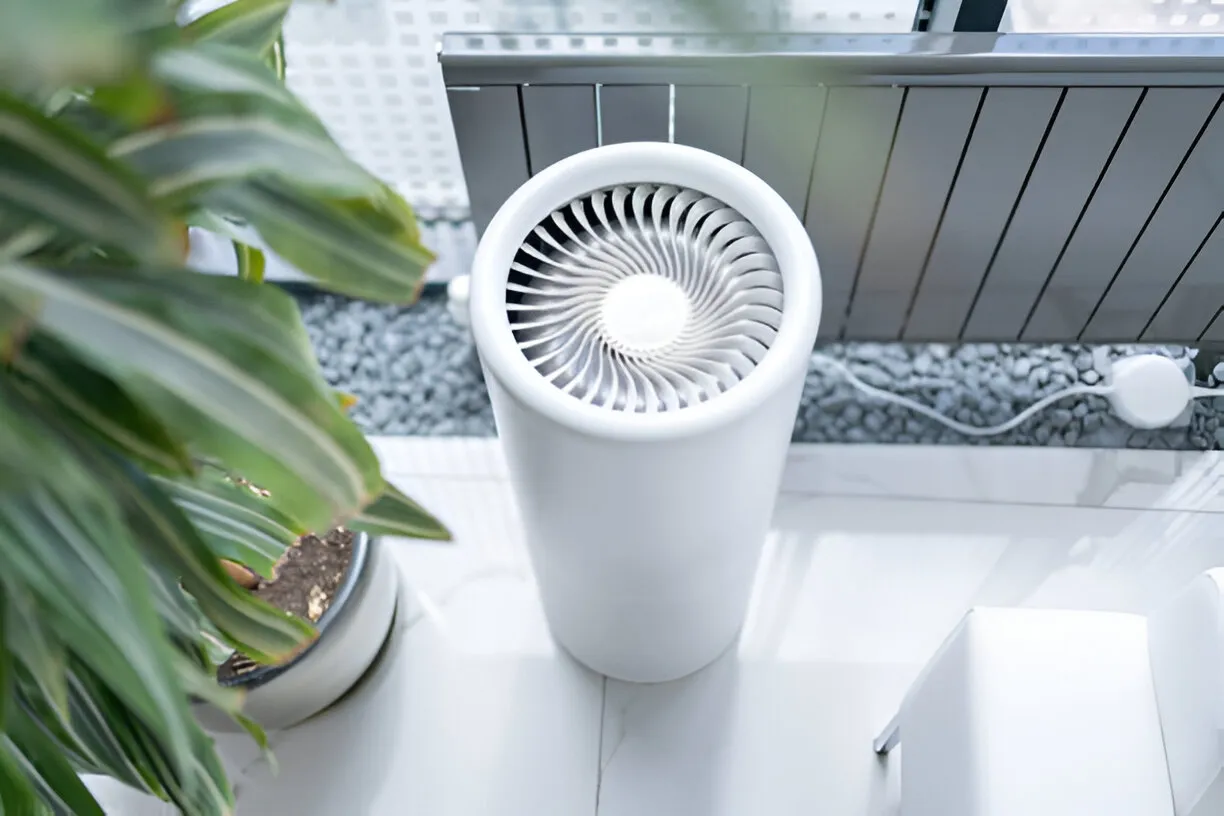
Common humidity problems in Grove City homes
- Mold and mildew growth in basements, bathrooms, and closets during warm months
- Musty odors in finished or unfinished basements and crawlspaces
- Condensation on windows and cold surfaces in spring and fall transitions
- Peeling paint, bubbled wallpaper, and warped hardwood floors in older homes
- Increased dust mite and allergen loads for sensitive occupants
- HVAC short cycling or increased AC runtime because the system struggles to both cool and dehumidify
These issues are more pronounced in Grove City because of humid Ohio summers, variable spring/fall conditions, and many homes with basements or crawlspaces that act as moisture sources.
Types of whole-house dehumidifiers and capacities
- Ducted whole-house dehumidifiers: Installed into the HVAC ductwork or connected to the air handler to remove moisture from the return air stream. Best for centralized control and even humidity distribution.
- Packaged central units: Standalone, self-contained units that may be installed in a mechanical room or basement and tied into the duct system.
- Desiccant dehumidifiers: Use moisture-absorbing materials and are effective at lower temperatures but are generally more common in specialized applications.
- Coil-mounted or in-line options: Smaller units that attach near the furnace or air handler, suitable for modest moisture loads.
Capacity is commonly measured in pints per day. Smaller homes or tight, well-insulated houses with few moisture sources may need lower capacity units, while finished basements, households with multiple occupants, or homes with high water tables will need higher-capacity units. Choosing the right capacity requires assessing square footage, basement presence, and moisture sources.
Sizing and placement guidance
Proper sizing is critical. Factors to consider:
- Total conditioned square footage and ceiling height
- Presence and condition of basements, crawlspaces, or attached garages
- Number of occupants and typical activities that add moisture (laundry, cooking, showers)
- Building envelope tightness and recent upgrades (insulation, vapor barriers)
General placement tips:
- For integrated units, placement near the air handler’s return plenum provides efficient whole-house coverage.
- Basements often act as the primary moisture source; locating the dehumidifier in or near the basement gives faster control.
- Ensure access for maintenance and service, and maintain proper clearance around the unit for airflow.
A professional load calculation will provide the most reliable sizing recommendation for your Grove City home and avoid undersized systems that run constantly or oversized units that short cycle.
Integration with existing HVAC
Whole-house dehumidifiers are commonly integrated with your furnace or air handler so the unit can dehumidify without overcooling living spaces. Integration points include:
- Wiring to the air handler or dedicated humidistat to control humidity separately from thermostat cooling calls
- Duct connections that allow dehumidified air to re-enter the conditioned space efficiently
- Coordinated controls so the dehumidifier runs independently or in tandem with the HVAC system as needed
Proper integration improves comfort and energy use because the system reduces moisture while allowing the HVAC to maintain temperature setpoints without excess runtime.
Drain and water management
Dehumidifiers produce condensate that must be drained properly:
- Gravity drain to a floor drain is the simplest solution when slope and proximity allow.
- Condensate pumps are used when gravity drainage is not possible; pumps should be rated for continuous duty.
- Tie-in to an existing HVAC drain pan or plumbing may be possible but should comply with local codes and include overflow protection.
- An overflow safety switch and accessible condensate lines help prevent leaks and water damage.
In Grove City winters, freeze protection for external drain lines and proper routing to avoid exposure is important.
Energy efficiency and operating considerations
Energy efficiency matters for long-term comfort control:
- Look for units with variable-speed fans and efficient compressors to match output to current moisture load.
- Units with precise humidistat control reduce unnecessary runtime by maintaining targeted relative humidity levels.
- Desiccant systems are effective at low temperatures but can consume more energy; choose based on the specific application.
- Correct sizing reduces energy waste—right-sizing avoids long runtimes or frequent cycling.
While operating a whole-house dehumidifier adds some continuous load, the gains in HVAC efficiency and reduced AC runtimes during hot, humid months can offset that load.
Maintenance and filter care
Routine maintenance keeps performance optimal:
- Replace or clean intake filters according to manufacturer recommendations—commonly every 1 to 3 months depending on household conditions.
- Inspect and clear condensate lines and pumps seasonally to prevent clogs and backups.
- Clean coils and check for refrigerant issues during annual service.
- Test humidistat calibration and any integrated controls each season.
- Schedule a professional inspection at least once per year to verify drainage, airflow, and electrical connections.
Proactive maintenance prevents common whole-house dehumidifier issues in Grove City and extends system life.
Typical installation process
A typical installation follows these steps:
- Home assessment and moisture load calculation to determine capacity and placement.
- Selection of the appropriate unit type and configuration for existing HVAC layout.
- Placement and mounting of the unit, ductwork modifications or connections, and routing of condensate drain lines.
- Electrical hookups and integration with the air handler or humidistat controls.
- Startup, system balancing, and verification of humidity control across the home.
- Homeowner orientation on controls, filter care, and safety features.
Local permitting or inspection may be required depending on how the unit ties into existing plumbing and electrical systems.
Benefits for comfort and home preservation in Grove City
- Consistent indoor relative humidity reduces mold growth and musty odors common in Grove City basements.
- Protects hardwood floors, furniture, and painted surfaces from moisture-related damage.
- Improves perceived comfort without lowering thermostat settings, which helps with energy use during humid months.
- Reduces allergens and dust mite populations, supporting healthier indoor air for sensitive occupants.
- Helps your existing HVAC perform better by offloading moisture removal tasks.
A whole-house approach delivers even humidity control and long-term protection for your home and belongings, especially valuable in Grove City where seasonal humidity swings and basements can create persistent moisture challenges.
If you are evaluating dehumidification systems for a Grove City home, focus on correct sizing, professional integration with your HVAC system, reliable drainage, and an accessible maintenance plan to maximize performance and durability.
Hot Deals & Cool Savings

.webp)
New Service Agreement Membership
.webp)
Any New Client Service
Next Service for Referring a New Client
New Service Agreement Membership
Any New Client Service
Next Service for Referring a New Client
.webp)
.webp)

Service Areas
