
Ventilation in Grove City, OH
Explore Grove City, OH ventilation options (ERV/HRV, supply/exhaust) and how installation and balancing boost IAQ, comfort, and energy.

Ventilation in Grove City, OH
Proper home ventilation is essential for healthy, comfortable living in Grove City, OH. With humid Ohio summers, cold winters, and the mix of newer airtight builds and older homes with aging ductwork, ventilation choices have real impacts on indoor air quality, moisture control, comfort, and energy use.
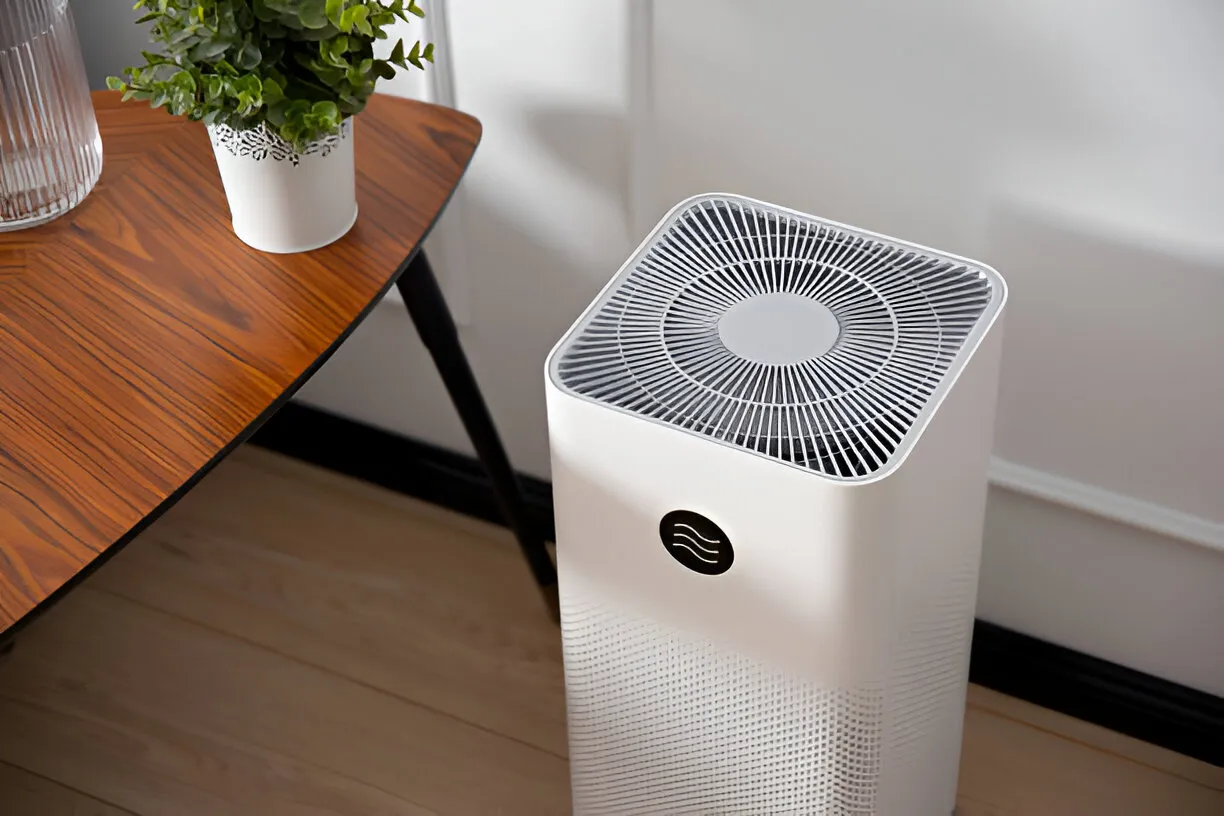
Why ventilation matters in Grove City homes
- Humidity control: Warm, humid summers in central Ohio drive moisture accumulation in bathrooms, kitchens, and basements. Without adequate ventilation, moisture leads to mold and rot.
- Winter indoor air quality: In cold months families keep homes sealed, which concentrates indoor pollutants (volatile organic compounds, cooking byproducts, and moisture). Mechanical ventilation dilutes and removes these contaminants.
- Allergens and outdoor pollutants: Pollen and seasonal particulates are common here; balanced ventilation helps limit their indoor impact while exchanging stale indoor air.
- Energy and comfort: Modern energy codes and airtight construction reduce uncontrolled infiltration. Mechanical systems provide controlled, efficient fresh-air delivery and, when chosen correctly, recover energy from outgoing air.
Common ventilation issues in Grove City, OH
- Persistent humidity in basements or bathrooms despite using exhaust fans
- Musty odors and visible mold or staining on walls and ceilings
- Uneven indoor temperatures or rooms that feel stuffy
- High condensation on windows during cold snaps
- High utility bills tied to overheating/cooling because of poor air distribution
Types of mechanical ventilation systems
- ERV (Energy Recovery Ventilator): Transfers heat and moisture between incoming and outgoing airstreams. Useful in regions with both humid summers and cold winters because it helps moderate incoming air humidity and temperature.
- HRV (Heat Recovery Ventilator): Transfers heat but not moisture. Often selected for cold, dry climates; still beneficial in Ohio for heat recovery in winter.
- Supply ventilation systems: Bring conditioned fresh air into the home and rely on passive or controlled exhaust paths to remove stale air. Helpful where outdoor air quality is good and controlled pressurization is preferred.
- Exhaust ventilation systems: Use fans to pull indoor air out, creating negative pressure that draws make-up air in through leaks. Simple and lower cost but can draw outdoor pollutants or radon into the home if not managed.
- Local solutions: Dedicated bathroom and kitchen fans, in-line fans for long duct runs, and spot ventilation integrated with HVAC systems.
Assessment and ductwork considerations
A proper ventilation plan starts with a home assessment:
- Airtightness testing: A blower door test determines how leaky the house is and the ventilation rate needed to meet code and comfort goals.
- Indoor air quality measurements: CO2, relative humidity, and particulate levels show actual living conditions and help size systems.
- Duct inspection: Check for leaks, insulation gaps, improper routing, and blockages. Older ducts in Grove City homes may be undersized or unsealed and can undermine system performance.
- HVAC integration: Decide whether to integrate ventilation into the existing HVAC return, run dedicated ducts, or use decentralized solutions (e.g., ERVs with short runs).
- Placement: Intake/ exhaust locations should avoid garages, dryer vents, and pollutant sources; outdoor intakes need proper screening and positioning relative to prevailing winds and snow accumulation.
System selection criteria
Choose a system based on these practical factors:
- Home size and layout: Larger, multi-level homes need higher total CFM and careful zoning.
- Occupancy and use: Families with occupants who have allergies, asthma, or higher occupancy needs require greater fresh-air rates.
- Climate: In Grove City, ERVs often offer the best balance because they handle both heat and moisture transfer across seasons.
- Existing HVAC: Integration possibilities can lower installed costs and simplify controls, but duct capacity and filtration must be evaluated.
- Energy priorities: Energy recovery units reduce heating and cooling penalties from ventilation.
- Noise sensitivity: Select low-sone fans and consider in-line fans or remote mounting to reduce perceived sound in living spaces.
- Budget and long-term operating cost: Evaluate upfront vs. lifecycle energy and maintenance needs rather than focusing only on initial cost.
Installation and balancing procedures
Proper installation ensures performance:
- Design and layout: Duct runs sized for target CFM, minimal bends, and sealed connections. Use rigid ducts for ERV/HRV trunks where practical.
- Mounting and clearances: Units mounted in conditioned space when possible to reduce heat loss and icing risk in winter.
- Commissioning and balancing: Technicians measure supply and exhaust CFM at each terminal, adjust dampers, and set fan speeds to achieve balanced ventilation and targeted air changes per hour. A balanced system prevents pressure-driven infiltration of outdoor pollutants and improves comfort.
- Controls and scheduling: Programmable controls or demand-based ventilation using humidity/CO2 sensors can optimize energy use and IAQ throughout the year.
- Verification: Post-install testing includes airflow measurements, CO2/humidity verification, and leak checks on ducts.
Energy and noise impacts
- Energy: ERV/HRV systems recover a substantial portion of energy from exhausted air, reducing the load on heating and cooling systems. Proper sealing and insulation of ducts further reduce losses.
- Noise: Fan selection, isolation mounts, and duct design influence perceived noise. In-line fans, sound attenuators, and low-speed continuous operation reduce noise while maintaining ventilation.
Maintenance and simple troubleshooting
Regular upkeep keeps systems performing:
- Filters: Replace or clean filters every 1-3 months depending on use and home conditions.
- ERV/HRV cores: Clean or replace manufacturer-recommended cores annually or as advised for local conditions; pollen seasons and dusty environments may require more frequent checks.
- Fans and motors: Inspect for vibration, dust buildup, and mounting integrity yearly.
- Ductwork: Inspect accessible duct runs for disconnections, pest intrusion, and insulation degradation every 2-3 years.
- Signs of problems: Increased humidity, persistent odors, uneven airflows, or higher energy use indicate the need for inspection and rebalancing.
Typical timelines for a ventilation project in Grove City
- Initial assessment and testing: 1 day on-site (plus lab processing time for any specialized tests)
- Simple retrofit (replace bathroom/kitchen fans or install a small ERV/HRV): 1-3 days depending on access and duct runs
- Whole-house system installation with duct modifications: 3-7 days for a typical detached home, longer for larger or complex layouts
- Commissioning and final balancing: 1 day after installation to measure and fine-tune performance
Choosing the right ventilation approach for a Grove City home involves balancing indoor air quality goals, climate considerations, existing HVAC and ductwork, and long-term energy use. A properly assessed, installed, and maintained system will control moisture, reduce pollutants, improve comfort, and integrate with your home’s heating and cooling to operate efficiently across Ohio seasons.
Hot Deals & Cool Savings

.webp)
New Service Agreement Membership
.webp)
Any New Client Service
Next Service for Referring a New Client
New Service Agreement Membership
Any New Client Service
Next Service for Referring a New Client
.webp)
.webp)

Service Areas
