
Whole House Dehumidifiers in Gahanna, OH
Learn how whole-house dehumidifiers in Gahanna, OH reduce moisture, prevent mold, and integrate with your home comfort system. Schedule installation today.

Whole House Dehumidifiers in Gahanna, OH
When summer humidity climbs and basements stay damp, a whole house dehumidifier can be the difference between a comfortable, healthy home and persistent mold, musty smells, and irritated allergies. Whole house dehumidifiers in Gahanna, OH address the specific moisture challenges homes face here: humid summer air from the Ohio Valley, seasonal basement seepage, and the temperature swings that trap moisture in building envelopes.
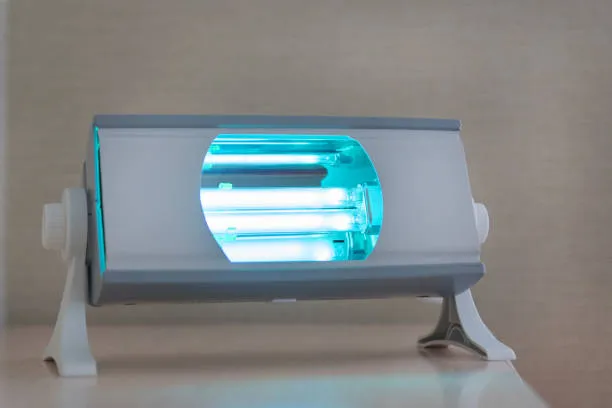
Common moisture problems in Gahanna homes
- Basements that smell musty or show efflorescence on foundation walls
- Condensation on windows and cold water lines during humid months
- Mold and mildew growth on drywall, trim, or behind cabinetry
- Warping of hardwood floors and swelling doors from seasonal humidity
- Increased allergy symptoms or dust-mite activity when indoor relative humidity stays above 50 percent
Why whole-home dehumidification matters
Local humidity in the Gahanna/Columbus area regularly pushes indoor relative humidity into ranges that promote mold and dust mites. A whole-house dehumidifier controls moisture at scale, protecting building materials, improving comfort, and reducing the load on air conditioning by removing latent heat. For homes with finished basements, crawl spaces, or tightly sealed modern envelopes, whole-home dehumidification prevents recurring moisture issues that spot or portable units typically cannot manage.
Types of whole house dehumidifiers
- Ducted (integrated) dehumidifiers
- Installed in the HVAC return plenum or mechanical room and connected to the central duct system.
- Pros: Provides balanced humidity control throughout the entire home, centralized maintenance, and can work with the furnace or air handler for year-round operation.
- Cons: Requires professional ductwork integration and space in the mechanical bay.
- Standalone whole-home units
- Larger floor-mounted units designed to serve a single level or basement without tying into central ducts.
- Pros: Easier to install in a finished basement or mechanical room, often used where duct integration is not practical.
- Cons: May require carefully planned air circulation or additional fans to treat the entire home.
- Hybrid approaches
- Combination of a ducted unit for main living space and targeted dehumidification in high-risk areas like basements or crawlspaces.
Capacity selection: picking the right size
Capacity is commonly measured in pints or gallons removed per day (pints/day) under typical test conditions. Proper sizing depends on:
- Square footage and ceiling height of conditioned space
- Presence and size of basements, crawlspaces, or attached garage
- Degree of air leakage and insulation quality
- Typical seasonal humidity levels in Gahanna and homeowner comfort targets
Ballpark guidance:
- Small apartments or tight 1-bedroom homes: 30 to 50 pints/day
- Average single-family homes (1,200 to 2,500 sq ft): 50 to 90 pints/day
- Homes with damp basements or larger footprints: 90 to 140+ pints/day
A professional humidity load assessment yields the most reliable capacity recommendation. Oversizing wastes energy and can short-cycle; undersizing will leave humidity problems unresolved.
Placement and HVAC integration
- Best locations: mechanical room, furnace/air handler closet, or the main return plenum. Placement should allow for proper airflow to and from the unit and provide access for maintenance.
- Ducted units: hooked into the return and supply ducts so conditioned air with reduced moisture is distributed evenly. Integration can include a dedicated dehumidifier drain, electrical connection, and control wiring for a dedicated humidistat.
- Basement installation: if treating the whole home from the basement, ensure the unit can draw sufficient circulating air or install a transfer fan to move conditioned air to upper floors.
- Controls: use a dehumidistat or integrated smart control to maintain target relative humidity (typically 40 to 50 percent). Many systems can interlock with the HVAC blower so the fan runs when dehumidification is needed without forcing cooling.
Energy efficiency and operating considerations
- Whole-home dehumidifiers are more efficient than multiple portable units because they treat air centrally and avoid duplicate fan energy.
- Look for units designed for low-temperature operation if you plan year-round basement dehumidification; standard units lose efficiency in cool conditions.
- Operating tips for lower energy cost:
- Set RH target between 40 and 50 percent for comfort and mold control
- Use the HVAC fan on an intermittent or demand-interlock mode rather than continuous high-speed operation
- Ensure good air sealing and ventilation strategies to reduce outdoor moisture infiltration
Condensate handling and safety
- Gravity drain: preferred where a floor drain is available and the unit is located above the drain level
- Condensate pump: required when the unit is below the drain or in basements without a gravity outlet
- Connection to HVAC drain pan: common when integrated into a furnace or air handler; must include proper traps and check valves
- Safety measures: float switches or overflow sensors should be installed to prevent water damage from clogged drains or pump failures
Maintenance expectations
- Regular filter checks and cleaning: every 1 to 3 months depending on dust load
- Coil cleaning and inspection: annually to maintain heat transfer and prevent biological growth
- Condensate line inspection: quarterly check for blockages; pump upkeep if applicable
- Refrigerant and electrical checks: annual or as recommended by the installer to verify optimal operation
- Seasonal adjustments: reduce setpoint or change modes for winter basement dehumidification if needed
Expected outcomes and service plans
After proper sizing and installation, most homes in Gahanna will reach target relative humidity within 24 to 72 hours of continuous operation under typical summer conditions. Measurable benefits include:
- Reduced visible mold and slower mold regrowth
- Less condensation on windows and cold surfaces
- More consistent comfort with fewer sticky, clammy days
- Protection for wood floors, instruments, and electronics
- Fewer allergy triggers from dust mites and mold spores
Recommended service plan model:
- Initial commissioning: verify airflow, set controls, and demonstrate operation
- Quarterly DIY checks: filter, condensate path, and visible leaks
- Annual professional inspection: coil clean, electrical and refrigerant check, performance tuning, and humidity verification
Whole-home dehumidification is a long-term investment in comfort and durability for Gahanna homes. With the right system type, correct capacity, careful integration, and routine maintenance, homeowners can expect consistent humidity control, lower mold risk, and improved indoor air quality throughout the year.
Hot Deals & Cool Savings

.webp)
New Service Agreement Membership
.webp)
Any New Client Service
Next Service for Referring a New Client
New Service Agreement Membership
Any New Client Service
Next Service for Referring a New Client
.webp)
.webp)

Service Areas
