
Whole House Air Filtration in Gahanna, OH
Whole-house air filtration in Gahanna, OH boosts indoor air quality and protects home systems. Learn more about filtration options.

Whole House Air Filtration in Gahanna, OH
Clean indoor air is essential for comfort and health in Gahanna homes. With tree-lined neighborhoods, seasonal pollen spikes, humid summers that encourage mold growth, and long winters that keep windows closed, many homeowners in Gahanna, OH, see elevated indoor allergen and particulate levels at different times of the year. A professionally specified whole house air filtration system treats the air at the source — ahead of the HVAC blower — delivering consistent, homewide improvements in air quality while protecting HVAC components.
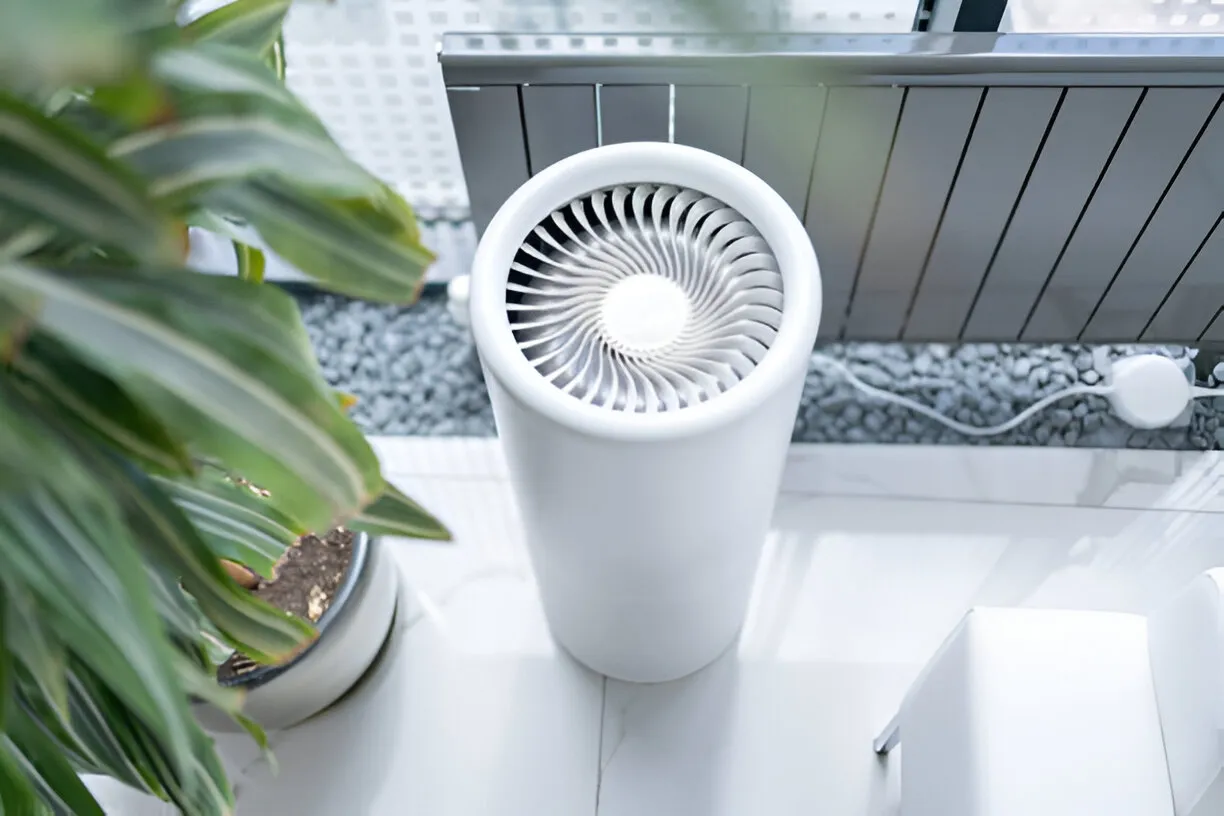
Why whole house air filtration matters in Gahanna, OH
- Seasonal pollen from local oaks, maples, and grasses creates peak allergy conditions in spring and early summer.
- Summer humidity and fall leaf decay increase mold and fungal spores indoors.
- Closed-window winter months concentrate indoor pollutants (dust, pet dander, cooking particles).
- Proximity to busy suburban roads and occasional regional smoke events can add fine particulates.
A whole house system addresses these issues more effectively than stand-alone room units by filtering return-air before distribution, reducing dust accumulation on equipment, and delivering balanced, whole-home protection.
Common whole house air filtration issues in Gahanna homes
Homeowners seeking whole house filtration services frequently encounter these problems:
- Weak filtration for fine particles (PM2.5) and allergens despite standard fiberglass filters.
- Frequent filter clogging or excess pressure drop that reduces airflow and comfort.
- Incorrect filter MERV rating for system capacity, causing reduced efficiency or equipment stress.
- No dedicated filter media cabinet or inadequate space for retrofits in older homes.
- Lack of post-install testing to confirm particle reduction and proper airflow.
- Confusion about maintenance intervals and replacement supplies.
Understanding these pain points helps homeowners choose solutions that improve air quality without compromising HVAC performance.
Filter types and MERV ratings — what to consider
- Disposable pleated filters (variable MERV): Common upgrade from basic fiberglass; increased particle capture at a modest increase in pressure drop. Choose a MERV rating that matches your system’s static pressure tolerance.
- Media (deep-pleat) filters: Larger surface area, longer life, and better performance for airborne dust and pollen. Often installed in a dedicated filter cabinet.
- High-efficiency bag filters and HEPA-compatible systems: Capture very small particles including many allergens and smoke. True HEPA requires special housing or bypass-free designs; not all HVAC systems can handle full HEPA without blower and duct modifications.
- Electronic air cleaners (electrostatic precipitators): Remove fine particles with low filter pressure drop but require regular cleaning and may produce small amounts of ozone if not properly designed.
- UV germicidal lights (supplemental): Target biological contaminants on coils and in the airstream but do not replace particulate filtration.
MERV ratings indicate particle capture efficiency. Higher MERV values trap smaller particles but generally increase pressure drop. Professional assessment ensures the chosen MERV level improves indoor air quality while keeping airflow within the furnace or air handler’s design limits.
Diagnostic and evaluation process
A reliable service approach begins with a thorough evaluation:
- Inspect existing filter location, cabinet space, and return plenum accessibility.
- Measure static pressure and airflow to determine how much additional resistance the HVAC system can tolerate.
- Document occupants’ health concerns, pets, and typical occupancy patterns to tailor filter selection (e.g., allergy-sensitive households).
- Perform baseline indoor air quality checks when appropriate — particle counts, visible dust load, and humidity readings.
- Recommend retrofit or new-install options based on ductwork, blower capacity, and space for media cabinets or in-duct HEPA housings.
This diagnostic phase prevents common problems such as undersized filters that do little, or overspec’d filtration that chokes the system.
Retrofit vs new-install solutions
- Retrofit: Ideal for existing furnaces and air handlers. Typical retrofits include installing a media filter cabinet at the return plenum or replacing the existing filter with a higher-efficiency pleated filter that the system can handle.
- New-install: Best when installing a new HVAC system or when ductwork and equipment replacements are planned. New installs allow for dedicated high-capacity filter housings, proper blower selection for higher static pressures, and seamless integration of HEPA or electronic systems.
Key retrofit considerations include ensuring a sealed filter cabinet, avoiding bypass around filters, and confirming adequate access for maintenance.
Maintenance schedules and replacement guidance
- Replace or service filters on a schedule appropriate to the filter type and home conditions: disposable pleated filters generally require the most frequent changes; media filters last longer; electronic cleaners need periodic cleaning rather than replacement.
- Homes with pets, heavy pollen loads, or occupants with allergies will need more frequent attention.
- Regular checks should include static pressure monitoring and visual inspection for dust loading, frame integrity, and seal condition.
- Keep a record of filter brand, MERV rating, and replacement dates to maintain consistent performance and to troubleshoot future issues.
Proper maintenance preserves airflow, keeps energy use optimized, and sustains the filtration system’s effectiveness over time.
Testing and verification of air cleanliness
Post-install verification ensures the system delivers the expected benefits:
- Measure pre- and post-install particle counts to show reductions in dust, pollen, and fine particulates.
- Re-check static pressure and airflow to confirm the HVAC system operates within safe limits after filtration upgrade.
- Visual inspection of ductwork for reduced dust accumulation over time can also indicate effective filtration.
- For health-sensitive households, targeted allergen testing or VOC screening can be arranged in addition to particulate testing.
Objective verification not only validates the installation but also guides adjustments to filter selection or maintenance frequency.
Why upgrade your whole house filtration in Gahanna
Upgrading filtration is especially beneficial for:
- Allergy sufferers and asthma patients who need lower airborne allergen loads.
- Homes with pets, smokers, or wood-burning stove use where dander and smoke particles are common.
- Older homes or homes undergoing renovations where dust levels spike.
- Homeowners seeking better long-term protection for HVAC components and improved indoor comfort.
Upgrades, when matched to your HVAC system and verified through testing, can reduce indoor dust, lower cleaning frequency, and contribute to a healthier living environment without sacrificing system performance.
Final considerations and long-term value
Selecting the right whole house air filtration solution for a Gahanna home is a balance between filtration efficiency and HVAC compatibility. A methodical evaluation, correct MERV selection, proper installation, and an established maintenance routine deliver measurable indoor air quality improvements and protect HVAC equipment. For allergy-prone families, homes with pets, or anyone concerned about seasonal pollen and seasonal indoor moisture, investing in a properly specified whole house filtration system pays dividends in comfort, health, and equipment longevity.
Hot Deals & Cool Savings

.webp)
New Service Agreement Membership
.webp)
Any New Client Service
Next Service for Referring a New Client
New Service Agreement Membership
Any New Client Service
Next Service for Referring a New Client
.webp)
.webp)

Service Areas
