
Whole House Dehumidifiers in Canal Winchester, OH
Learn how whole-house dehumidifiers in Canal Winchester reduce basement moisture, prevent mold, and improve comfort. Schedule your install today.

Whole House Dehumidifiers in Canal Winchester, OH
Whole-house dehumidification is a practical, long-term solution for homes in Canal Winchester, OH where seasonal humidity, basement dampness, and mold risk become recurring problems. A whole-house dehumidifier works with your HVAC or as a ducted standalone unit to control relative humidity throughout the living space, improving comfort, preserving building materials, and reducing allergens.
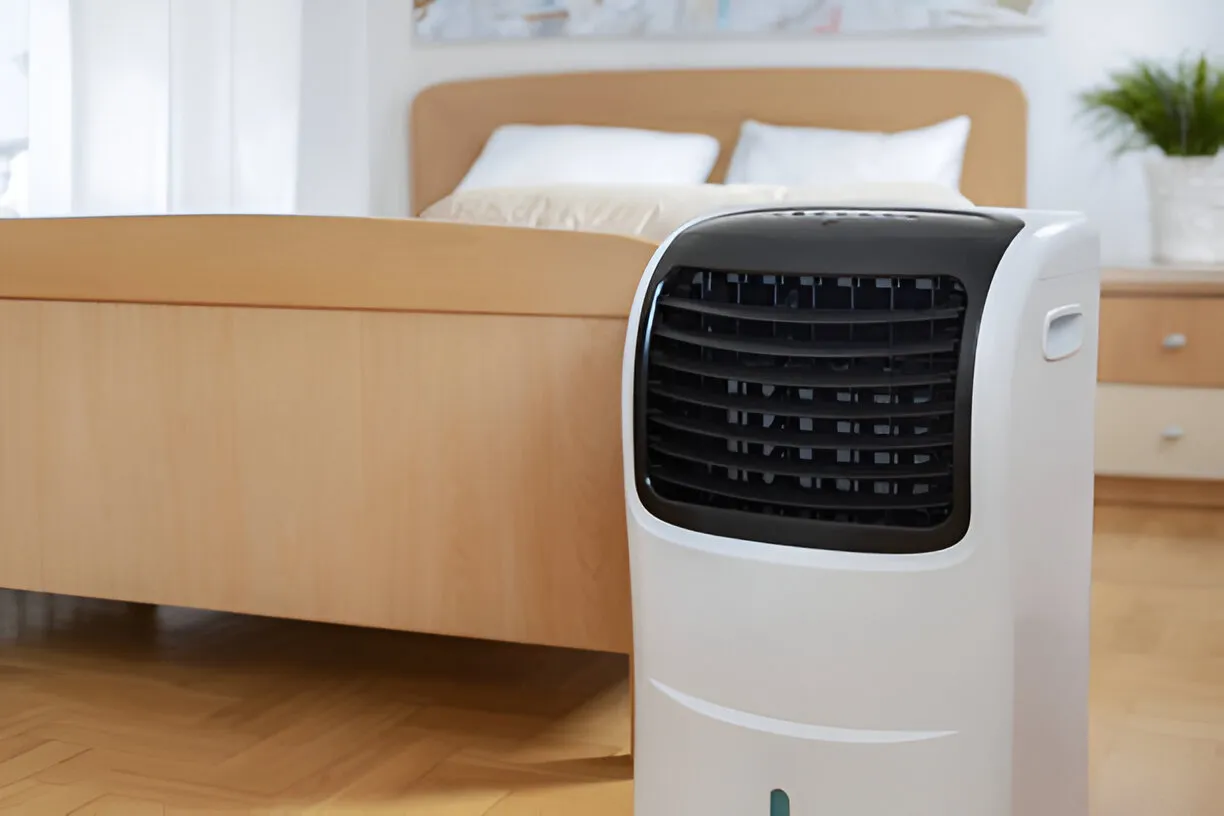
Why a whole-house dehumidifier is recommended in Canal Winchester, OH
Canal Winchester experiences humid summers and spring rains that drive indoor relative humidity above comfortable and safe levels. Typical reasons to consider whole-house dehumidification include:
- Persistent basement moisture or musty odors in finished basements or storage areas.
- Visible mold or mildew on walls, trim, or HVAC components.
- Condensation on windows, pipes, or near foundation walls in warm months.
- Allergies or asthma aggravated by dust mites and mold spores, which thrive above 50% relative humidity.
- Newer, tightly sealed homes with less natural ventilation trapping moisture from cooking, showering, and everyday living.
Putting humidity control on a whole-house scale prevents moisture problems from moving between rooms and reduces the need to run AC continuously just to remove humidity.
Common whole-house dehumidifier issues in Canal Winchester
Understanding common problems helps set realistic expectations:
- Undersized units that cannot keep up during the muggiest months (May through August).
- Poor condensate routing causing leaks or backups, especially in homes without easy gravity drain access.
- Improper controls resulting in over-drying or constant cycling.
- Lack of regular maintenance leading to clogged drains, reduced efficiency, and ice buildup in cold weather.
Identifying these issues early avoids recurring moisture damage and keeps a system operating efficiently.
In-duct versus standalone ducted units - pros and cons
- In-duct whole-house dehumidifiers
- Installed directly in HVAC return or supply ductwork and use existing air handler to distribute conditioned, dehumidified air.
- Pros: Seamless integration, centralized control, quieter operation, consistent humidity control.
- Cons: Requires compatibility with the HVAC system and professional installation.
- Standalone ducted whole-house dehumidifiers
- Self-contained units that can serve ducts but operate independently of the furnace or air handler.
- Pros: Flexible placement (basement, mechanical room), often higher moisture removal capacity, good for homes without compatible HVAC.
- Cons: May require condensate pump and separate electrical hookup.
Both types are effective when sized and installed correctly. Choice depends on your home layout, existing HVAC, and condensate routing options.
Sizing methodology - how capacity is determined
Sizing is based on the home’s square footage, ceiling height, level of insulation and air sealing, number of occupants, moisture sources (finished basement, crawlspace, attached garage), and local climate conditions. A practical approach:
- Small homes or light humidity loads: 40 to 60 pints per day.
- Typical 1,500 to 2,500 sq ft homes: 50 to 90 pints per day depending on basement finish and occupancy.
- Larger homes or heavy-moisture situations (finished basements, indoor pools): 90 to 130+ pints per day.
Professional load calculations account for grains per pound or pints per day under actual Canal Winchester conditions, ensuring the unit can hold a target relative humidity (commonly 40 to 50%) even during peak humid months.
Installation and condensate management
Proper installation focuses on airflow, electrical supply, and safe condensate disposal:
- Placement: mechanical room, basement, or attic space with adequate clearance and access for maintenance.
- Airflow: ensure correct duct connections and sealing so the unit can condition return air effectively.
- Condensate management options:
- Gravity drain to floor drain or utility sink when elevation allows.
- Tie-in to the HVAC condensate line or building drain.
- Condensate pump for uphill or exterior discharge where gravity is not possible.
- Route condensate to a sump pit if exposed to freezing temperatures or potential external line freeze during winter.
- Controls: install a dedicated humidistat or integrate with the home thermostat so the system runs only when needed.
A properly executed condensate solution prevents leaks, freeze-ups, and microbial growth in drain lines.
Energy use and control options
Whole-house dehumidifiers consume electricity, but modern units are far more efficient and can reduce overall cooling demand:
- Typical power draw varies by model but modern high-capacity units are designed for continuous operation at lower cost than excessive AC runtime.
- Look for models with good moisture removal efficiency; Energy Star rated dehumidifiers are more economical to operate.
- Control options:
- Built-in humidistats for automatic humidity targeting.
- Connection to the HVAC control board for coordinated operation with the furnace or air handler.
- Smart controls and zoning options that allow setting different humidity targets in conditioned versus unconditioned spaces.
Correct setpoints (generally 40 to 50% RH) maintain comfort without overworking equipment.
Maintenance and filter care
Routine maintenance ensures peak performance and longevity:
- Check and clean intake filters every 1 to 3 months depending on use and indoor air quality.
- Inspect condensate drain lines monthly for blockages and clean as needed.
- Coil and fan cleaning annually to maintain airflow and dehumidification efficiency.
- Verify humidistat calibration and operation seasonally.
- Schedule professional service annually or biennially to inspect refrigerant levels, electrical connections, and drainage systems.
Regular upkeep is the difference between reliable humidity control and recurring problems.
Expected outcomes for comfort and mold/allergen reduction
A correctly sized and installed whole-house dehumidifier should:
- Maintain indoor relative humidity in the recommended 40 to 50% range year-round.
- Reduce musty odors and visible mold growth in basements and other problem areas.
- Lower dust mite and mold spore activity, benefiting allergy and asthma sufferers.
- Protect hardwood floors, trim, and stored belongings from moisture-related damage.
- Improve perceived comfort without excessive reliance on air conditioning, particularly during humid shoulder seasons.
Local considerations for Canal Winchester homes
- Finished basements and older foundations common in Canal Winchester are particularly vulnerable to moisture intrusion during spring and summer. Whole-house dehumidification addresses these chronic sources.
- Tight, energy-efficient renovations reduce natural ventilation, making mechanical humidity control more important to prevent indoor air-quality issues.
- Soil type and groundwater behavior in central Ohio can influence basement moisture loads; route condensate and drainage with freeze risk in mind.
Hot Deals & Cool Savings

.webp)
New Service Agreement Membership
.webp)
Any New Client Service
Next Service for Referring a New Client
New Service Agreement Membership
Any New Client Service
Next Service for Referring a New Client
.webp)
.webp)

Service Areas
