
Whole House Air Filtration in Canal Winchester, OH
Improve Canal Winchester home's indoor air with whole-house filtration. Install high-efficiency filters and learn maintenance steps—schedule your service today.

Whole House Air Filtration in Canal Winchester, OH
Clean indoor air matters year-round in Canal Winchester, OH. Seasonal pollen in spring, ragweed in late summer, higher humidity that encourages mold growth, and winter months when homes remain sealed all increase indoor airborne particles and biologicals. Whole house air filtration installed into your HVAC duct system reduces allergens, particulates (PM2.5 and larger), pet dander, and common irritants, improving comfort and indoor air quality for occupants of Canal Winchester homes.
Why whole house filtration matters in Canal Winchester
- Spring tree pollen and spring spoilage cause surges in airborne allergens that penetrate homes with open windows.
- Summer humidity and basement moisture can increase mold spores and musty odors indoors.
- Fall leaf decay and yard work create fine organic dust and spores.
- Winter keeps homes sealed; combustion byproducts, indoor VOCs, and recirculated dust build up.A whole house system filters the air that circulates through your HVAC, addressing pollutants at the source rather than relying on portable room units.
Types of whole house filters and how they differ
- Standard pleated filters (MERV 6 - MERV 8): Basic filtration for larger particles like lint and pollen. Common as furnace filters, low cost and low resistance to airflow.
- High-performance pleated filters (MERV 8 - MERV 11): Better capture of smaller particles including some fine dust and pet dander. Good balance of filtration and airflow for many residential systems.
- High-efficiency filters (MERV 13+): Capture fine particles and many biological aerosols. Provide strong allergy and particulate reduction, but may increase resistance to airflow unless the HVAC system is evaluated.
- Media filters (deep-pleat whole-house media): Larger surface area, lower pressure drop for a given efficiency, and longer service life (often 6-12 months).
- Electronic air cleaners and electrostatic precipitators: Active systems that collect fine particles on charged plates; washable but require scheduled maintenance.
- Whole-house HEPA solutions: True HEPA requires higher airflow and typically a dedicated bypass blower or separate air handler to maintain system performance without overloading the primary furnace fan.
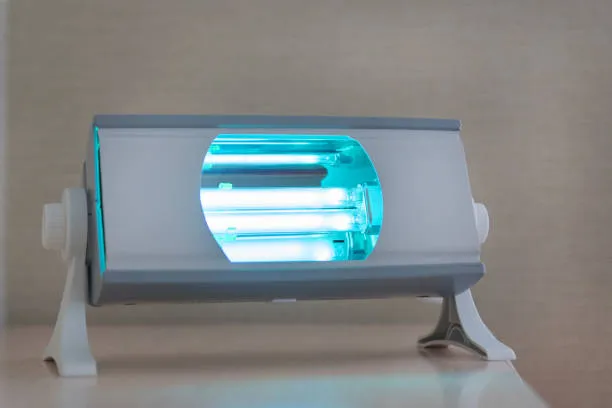
- UV-C systems (supplemental): Target biological growth on coils and in ductwork; not a standalone particulate filter but helpful for mold and bacteria control.
Understanding MERV and efficiency ratings
MERV (Minimum Efficiency Reporting Value) rates a filter’s ability to capture particles by size. Higher MERV numbers mean better capture of small particles:
- MERV 6-8: Captures larger particles like pollen and dust mites.
- MERV 9-11: Improved capture of smaller dust, mold spores, and some finer particulates.
- MERV 13-16: High-efficiency capture of bacteria, smoke, and fine PM2.5 particulates; often recommended for allergy sufferers but requires system compatibility.Selecting the right MERV rating balances particle removal with proper airflow for your furnace or air handler.
Installation into duct systems and what to expect
Whole house filters can be installed at the furnace return, in a dedicated filter cabinet, or as an inline module in the duct run. Key steps include:
- Inspecting the existing return and blower capacity to confirm compatibility with the chosen filter efficiency.
- Measuring static pressure and recommended fan capacity if moving to a higher MERV rating.
- Sealing filter cabinet and duct joints to prevent bypass around the filter.
- Locating filter access for straightforward replacement and maintenance.
Proper installation minimizes leaks and ensures the HVAC system does not work harder than necessary.
Impact on airflow and HVAC performance
Higher-efficiency filters typically create more resistance to airflow. Effects to monitor:
- Increased static pressure can reduce airflow, decreasing heating or cooling effectiveness and potentially increasing compressor and blower runtime.
- Reduced airflow may cause uneven temperatures, lower humidity control, and higher energy use if not balanced.
- Long-term, good filtration reduces dust accumulation on coils and in the ductwork, which preserves system efficiency and reduces maintenance needs.
Before upgrading to MERV 13 or higher, evaluate the system’s ability to handle the added load. Options include using a media filter (lower pressure drop), upgrading the blower motor, or adding a bypass HEPA system.
Recommended replacement intervals and maintenance
- Standard pleated filters (MERV 6-8): Replace every 1-3 months depending on usage, pets, and seasonal pollen levels.
- Higher-efficiency pleated filters (MERV 9-11): Replace every 2-3 months.
- MERV 13+ filters: Replace every 1-3 months; monitor pressure drop closely.
- Whole-house media filters: Typically 6-12 months, depending on household particle load.
- Electronic air cleaners: Clean collector cells every 1-3 months; replace any disposable components per manufacturer.
- UV lamps: Replace annually for consistent output.
- Inspect filter gaskets and cabinet seals at each change to prevent unfiltered bypass.
In Canal Winchester, increase inspection frequency during heavy pollen seasons and after yard work or renovations that generate dust.
Upgrade options and combinations
- Media plus MERV 13: Combines long life and high efficiency with acceptable airflow for many systems.
- Bypass HEPA systems: Provide true HEPA filtration without overloading the furnace blower by using a separate fan.
- Electronic cleaners paired with pre-filters: Capture ultrafine particles while pre-filters protect collection cells and improve performance.
- Add UV-C for coil and microbial control: Helps reduce mold and biological growth on evaporator coils in humid months.
- Smart sensors and filter-monitoring systems: Track differential pressure and alert when filters need changing, maximizing effectiveness and avoiding unnecessary replacements.
Cost versus benefit considerations
Choosing a whole house filtration strategy is a balance:
- Health benefits: Reduced allergy symptoms, fewer respiratory irritants, and lower concentration of PM2.5 and biologicals.
- Maintenance savings: Cleaner coils and ductwork reduce HVAC service needs and can extend equipment life.
- Energy tradeoffs: Very high-efficiency filters can slightly increase fan energy use; correct system sizing and media options help minimize this impact.
- Long-term value: For households with allergy sufferers, pets, or high seasonal pollen exposure in Canal Winchester, higher-efficiency whole house filtration often pays off through improved comfort and reduced cleaning and medical costs.
Final considerations and seasonal strategy
Evaluate filtration needs seasonally in Canal Winchester. Use medium-efficiency filters during low-pollen months for energy balance, and increase to higher-efficiency media or MERV 13 solutions during spring and fall pollen peaks or when wildfire smoke affects regional air quality. Regular inspection, properly sealed installations, and matching filter selection to your HVAC capacity will deliver the best indoor air quality without compromising system performance.
Whole house air filtration protects indoor air for the whole home, reduces allergens and particulates common to Canal Winchester, and—when planned and maintained correctly—supports efficient HVAC operation and healthier indoor environments.
Hot Deals & Cool Savings

.webp)
New Service Agreement Membership
.webp)
Any New Client Service
Next Service for Referring a New Client
New Service Agreement Membership
Any New Client Service
Next Service for Referring a New Client
.webp)
.webp)

Service Areas
