
IAQ Products in Canal Winchester, OH
IAQ products for Canal Winchester, OH improve indoor air quality with filtration, humidity control, and ventilation. Learn more about installation and maintenance.

IAQ Products in Canal Winchester, OH
Indoor air quality matters in Canal Winchester, OH. Hot, humid summers, cold dry winters, seasonal pollen and farm dust from surrounding areas all affect what you breathe at home. The right indoor air quality (IAQ) products reduce allergens, control humidity, limit microbial growth, and reduce odors and volatile organic compounds (VOCs).
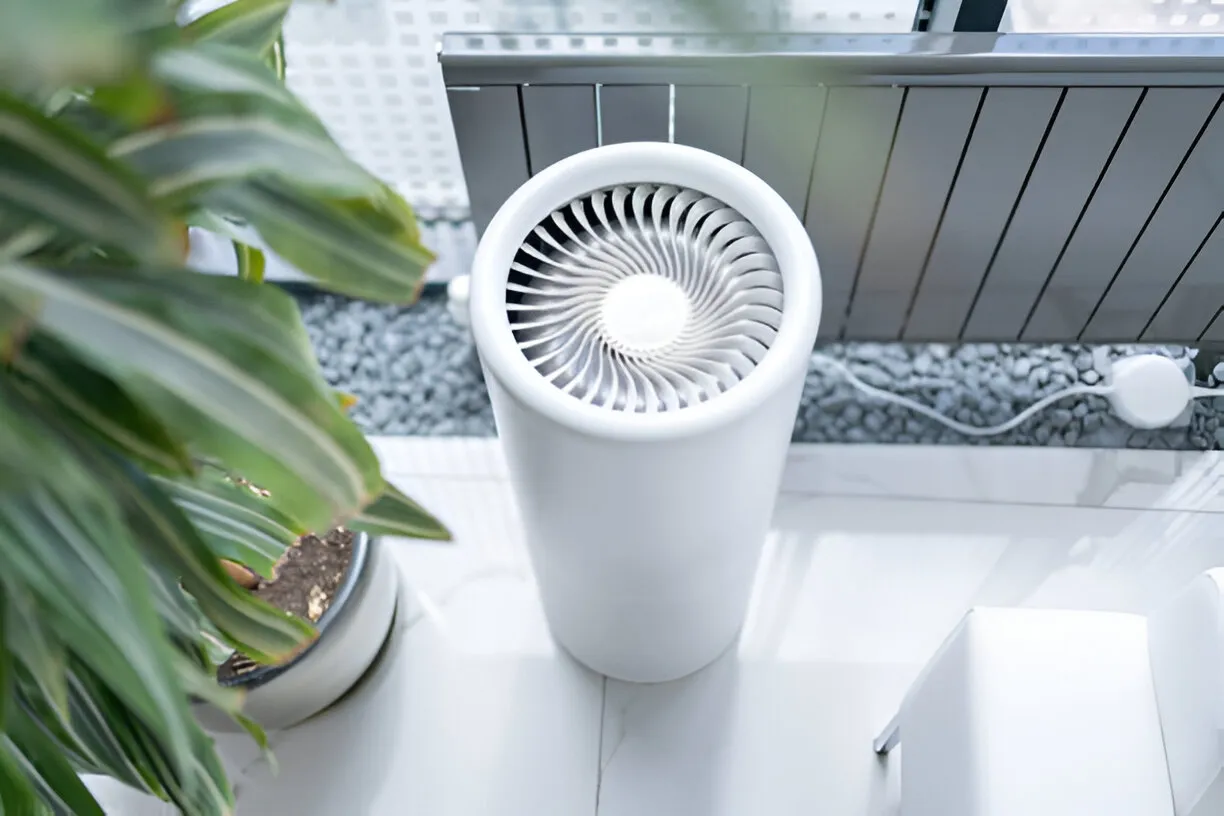
Common IAQ issues in Canal Winchester homes
- High indoor humidity in summer leading to mold and dust mite growth in basements and crawlspaces
- Very low relative humidity in winter due to heating systems causing dry skin, irritated airways, and static
- Spring and fall pollen and seasonal allergies from trees and grasses
- Pet dander and household dust in older, less-sealed homes
- VOCs from new finishes, paints, and household cleaners
- Stagnant indoor air in well-sealed homes that need controlled ventilation
Overview of IAQ product types and how they work
Below are the core IAQ products used to address the issues above. For each product, you will find how it works, typical performance indicators, selection guidance by home size and health needs, installation and maintenance notes, and common certifications.
Air purifiers (portable and whole-home)
- How they work: Use filtration (true HEPA), activated carbon, and sometimes pre-filters or specialized technologies to remove particles, smoke, and odors from room air.
- Performance specs: Look for CADR (clean air delivery rate) numbers for smoke, pollen, and dust tied to the room size. True HEPA captures 99.97% of particles down to 0.3 microns.
- Selection guidance:
- Small rooms (up to 300 sq ft): single portable unit with CADR matching room size
- Large open spaces or multi-room needs: multiple portables or integrated whole-home units tied to HVAC
- Allergies/asthma: prioritize true HEPA + activated carbon if odors or VOCs are a concern
- Installation and maintenance: Portable units are plug-and-play; whole-home purifiers integrate into ductwork and require professional installation. Replace HEPA and carbon filters per manufacturer intervals (typically 6-12 months) and clean pre-filters monthly.
- Certifications: AHAM Verifide (CADR), UL safety listings, CARB compliance for low ozone emissions.
Filtration media (HVAC filters and specialty media)
- How they work: Filters remove airborne particles as furnace or A/C system circulates air. Ratings show efficiency.
- Performance specs: MERV ratings (1-16+). MERV 8 is common for basic dust control; MERV 13 or higher is recommended for allergy and fine particle reduction but may require HVAC compatibility checks.
- Selection guidance:
- Standard homes: MERV 8-11
- Homes with allergy sufferers or smokers: MERV 13 or HEPA-compatible whole-house options
- Installation and maintenance: Replace pleated filters every 3 months or sooner with heavy use. Higher-MERV filters can reduce airflow if the furnace blower is undersized; consult an HVAC technician.
- Certifications: Filter manufacturers often provide MERV testing and independent lab results.
Humidifiers (whole-home and portable)
- How they work: Add moisture to dry indoor air using steam, evaporative pads, or ultrasonic misting.
- Performance specs: Capacity measured in gallons per day or output relative to home square footage. Whole-house units tie into HVAC and treat multiple rooms, while portable units serve single rooms.
- Selection guidance:
- Homes with low winter humidity or wood floors: whole-house humidifiers sized to the home or targeted portable units for bedrooms
- Health needs: higher humidity targets (40-50%) can reduce irritation but avoid over-humidifying
- Installation and maintenance: Whole-house units require professional hookup to water supply and drainage and annual cleaning. Portable units need frequent cleaning and water changes to prevent microbial growth.
- Certifications: Look for models with antimicrobial features and manufacturer maintenance guidance.
Dehumidifiers (portable and whole-house)
- How they work: Remove excess moisture to prevent mold, mildew, and dust mite proliferation.
- Performance specs: Rated in pints removed per 24 hours. Higher-capacity units (50+ pints/day) are better for damp basements or large, humid spaces.
- Selection guidance:
- Basements and crawl spaces in Canal Winchester: recommend a high-capacity unit to manage summer humidity and seasonal storms
- Whole-house control: integrated dehumidifiers tied to HVAC for balanced humidity year-round
- Installation and maintenance: Portable units require periodic draining and filter cleaning. Whole-house units need professional installation and annual checks.
- Certifications: ENERGY STAR ratings for efficiency and AHRI or manufacturer performance data.
UV and UV-C systems (coil and air treatment)
- How they work: Ultraviolet light inactivates bacteria, mold spores, and some viruses on coils and in moving air. Coil-mounted UV reduces microbial growth on HVAC components.
- Performance specs: Lamp intensity and exposure time determine effectiveness. Coil-mounted units focus on HVAC hygiene; in-duct or upper-room UV addresses airborne microbes.
- Selection guidance:
- Homes with recurrent mold or persistent odors: coil UV can reduce microbial buildup
- Health-sensitive households: UV can be one component of a combined strategy with filtration and ventilation
- Installation and maintenance: Professional installation is recommended for in-duct systems. UV lamps typically need replacement annually and shielding to prevent occupant exposure.
- Certifications: Look for UL listings and manufacturer efficacy data; UV should be used as part of an overall IAQ plan, not as a single solution.
Ventilation equipment (ERV, HRV, mechanical ventilation)
- How it works: Brings controlled fresh air into the home while exhausting stale air. ERV (energy recovery ventilator) transfers heat and moisture to improve energy efficiency; HRV (heat recovery ventilator) transfers heat only.
- Performance specs: CFM ratings indicate airflow capacity. Choose units that meet ASHRAE 62.2 recommendations for required fresh air based on house size and occupancy.
- Selection guidance:
- Airtight, modern Canal Winchester homes: ERV/HRV helps supply fresh air without large energy penalties
- Homes with high indoor humidity: ERV can help manage humidity transfer depending on season
- Installation and maintenance: Professional ducting and balancing required. Filters need periodic replacement and occasional core cleaning.
- Certifications: ENERGY STAR for certain products, AHRI or manufacturer performance data, and reference to ASHRAE ventilation standards.
Choosing the right combination for your Canal Winchester home
- Single-room issues (e.g., bedroom allergies): portable HEPA purifier plus a bedroom humidifier in winter
- Whole-house concerns (mold, smell, stale air): whole-house filtration or integrated air purifier, dehumidifier for basements, and an ERV/HRV to bring fresh air
- Basements and crawlspaces with moisture: high-capacity dehumidifier, durable filtration, and mold prevention measures
- New construction or remodels: specify high-efficiency MERV filters, ERV/HRV ventilation, and low-VOC materials to reduce long-term IAQ problems
Installation and routine maintenance expectations
- Professional installation is recommended for whole-house units, duct-mounted purifiers, ERV/HRV systems, and in-duct UV. It ensures proper sizing and airflow balance.
- Typical maintenance intervals:
- Pre-filters: monthly cleaning
- HEPA/pleated filters: every 6-12 months depending on use
- Carbon filters: replace when odors return, typically 6-12 months
- UV lamps: replace annually or per manufacturer guidance
- Humidifiers: clean weekly for portable units; annual servicing for whole-house units
- Dehumidifiers: empty and clean per usage; annual service for whole-house units
- Regular maintenance preserves performance and extends equipment life.
Certifications and efficiency ratings to prioritize
- HEPA / True HEPA for particle removal
- MERV ratings for HVAC filters (MERV 13 preferred for health-sensitive homes if compatible)
- AHAM Verifide CADR for portable air cleaners
- ENERGY STAR for dehumidifiers and certain ventilation equipment
- UL and other safety listings; CARB compliance for low ozone emissions where applicable
- Reference ASHRAE 62.2 for ventilation needs
Final considerations and seasonal tips for Canal Winchester
- Summer: prioritize dehumidification and filtration to prevent mold and reduce allergens from outside air
- Winter: add humidification to reduce dryness and maintain comfortable indoor humidity around 35-45 percent
- Spring/fall allergy seasons: run HEPA filtration and consider upgraded HVAC filtration during peak pollen weeks
- Basements: address moisture first with a dehumidifier and durable, high-capacity filtration
Selecting the right IAQ products for a Canal Winchester, OH home is about matching product performance to the local climate, home construction, occupancy, and health priorities. Combining targeted filtration, humidity control, UV hygiene where appropriate, and balanced ventilation provides the most robust and reliable indoor air improvements.
Hot Deals & Cool Savings

.webp)
New Service Agreement Membership
.webp)
Any New Client Service
Next Service for Referring a New Client
New Service Agreement Membership
Any New Client Service
Next Service for Referring a New Client
.webp)
.webp)

Service Areas
