
Whole House Air Purifiers in Berwick, OH
Whole-house air purifiers installed for Berwick, OH homes. Reduce pollen, smoke, odors, and VOCs; improve sleep and indoor air quality. Learn more.

Whole House Air Purifiers in Berwick, OH
Whole house air purifiers integrated with your central HVAC offer continuous, whole-home protection against allergens, smoke, odors, VOCs, and biological contaminants. In Berwick, OH, where seasonal pollen, humid summers, cold heating seasons, and occasional wood smoke or agricultural particulates can make indoor air quality unpredictable, a properly designed whole-house system reduces triggers for allergy and asthma sufferers, improves sleep quality, and lowers the overall particulate and chemical load in your home.
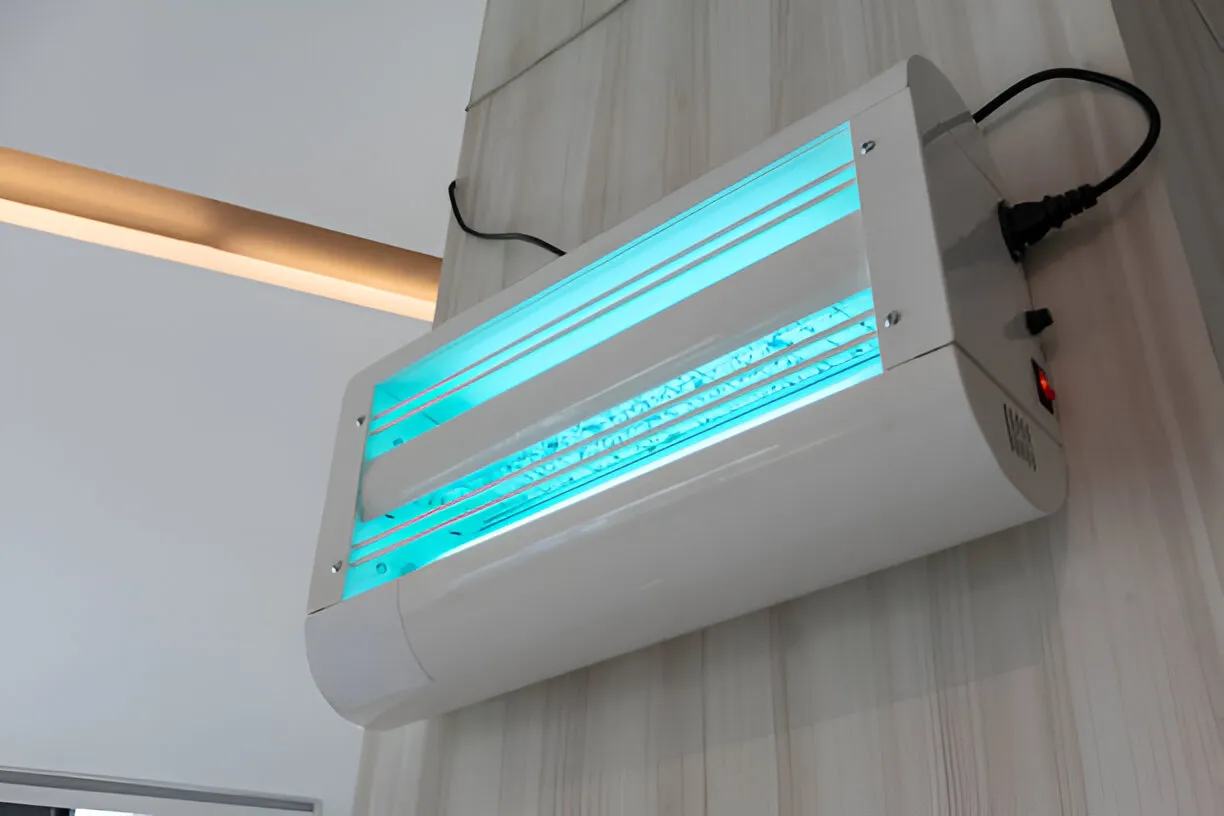
Why whole-house systems matter in Berwick, OH
Homes in this region go through pronounced seasonal swings. Tight building envelopes and energy-efficient upgrades reduce air exchange but can trap pollutants indoors. High summer humidity increases mold and dust mite activity, while fall ragweed and tree pollen spike allergy symptoms. In rural or semi-rural parts of the area, wood-burning or agricultural smoke can also infiltrate. Whole-house purifiers clean the air at the system level so every room benefits, unlike stand-alone room units that only treat a single space.
Key technologies and what they remove
Understanding the different technologies helps match performance to your needs.
- True HEPA or HEPA-style filtration
- Removes 99.97 percent of particles down to 0.3 microns (typical true HEPA), including pollen, dust, pet dander, and many fine particulates from smoke.
- Activated carbon beds
- Adsorb VOCs, cooking and tobacco odors, and many gaseous chemicals. Effectiveness scales with bed depth and contact time.
- In-duct UV germicidal lamps
- Reduce microbial growth on coil and drain pan surfaces and inactivate airborne bacteria and viruses when combined with good air movement.
- Photocatalytic oxidation (PCO)
- Works with UV to break down some VOCs and odor molecules; best used in combination with carbon for meaningful gas-phase removal.
Systems are often combined: for example, a high-performance media filter (MERV 13 or higher) plus a carbon stage and a UV lamp at the air handler addresses both particles and gases while limiting biological growth on HVAC components.
Common whole-house air purifier issues in Berwick homes
Homeowners considering whole-house solutions commonly face these concerns:
- Reduced airflow or increased static pressure when upgrading to dense filters
- Incompatible air handlers or limited fan capacity
- Ductwork leaks that bypass filtration effectiveness
- Poorly sized carbon beds that provide minimal VOC removal
- Incorrect placement of UV lamps or insufficient lamp intensity
- Maintenance neglect leading to reduced performance
Addressing these issues during system selection and installation prevents performance shortfalls and preserves HVAC efficiency.
Site assessment and installation process
A professional installation typically follows these steps:
Initial assessment
- Evaluate furnace/air handler capacity, existing filter size, duct layout, and family health needs (allergies, asthma, chemical sensitivities).
Baseline testing
- Measure airborne particle counts, VOC levels, and static pressure to set performance expectations.
System selection and sizing
- Choose the correct combination of HEPA/media filter, carbon bed size, and UV or PCO components sized to your airflow and pollutant profile.
Duct integration and mounting
- Install filtration modules in the return plenum or dedicated bypass housing, add UV lamps near coils, and ensure secure duct connections to prevent bypass.
Commissioning
- Re-measure airflow and particle/VOC levels, verify static pressure remains within manufacturer limits, and balance the system for even distribution.
Documentation
- Provide filter specifications, replacement schedules, and expected before/after performance metrics.
Filter lifetimes and replacement schedules
Lifetimes vary by technology, usage, and local pollutant loads. Typical schedules for Berwick homes:
- High-efficiency media or pleated HEPA-style filters
- Replace every 6 to 12 months; denser true HEPA modules (if used) may require 12 to 24 months depending on loading.
- Activated carbon cartridges
- Replace every 3 to 12 months; heavy odor or VOC environments lean toward more frequent replacement.
- UV lamps
- Replace every 12 to 24 months to maintain germicidal output; quartz sleeves require periodic cleaning.
- Pre-filters
- Replace every 1 to 3 months to protect downstream media and extend life.
A maintenance plan that includes filter checks after high-pollen events or wood-burning periods helps preserve performance and efficiency.
Energy, airflow, and HVAC compatibility
Upgrading filtration changes system pressure drop. Key considerations:
- Verify your air handler or furnace fan can overcome additional static pressure without sacrificing airflow to living spaces.
- Choose low-resistance, high-efficiency media where possible; some systems use a bypass housing to avoid stressing the blower.
- Properly sealed filter housings and well-maintained ductwork reduce energy waste and ensure purified air reaches every room.
- Expect a small increase in fan energy for denser filtration, but benefits in air cleanliness and reduced HVAC dirtying often offset the cost.
Expected performance and measurable benefits
When correctly designed and installed, whole-house systems in this region typically achieve:
- 80 to 99 percent reduction in airborne particulates in the size range of pollen, dust, and many smoke particles when using true HEPA or equivalent media filtration.
- Significant VOC and odor reduction proportional to carbon bed size and replacement frequency; measurable decreases on VOC meters after installation.
- Notable reductions in mold spore counts and microbial growth on coils when UV is used, improving system hygiene and reducing odors.
- Fewer allergy and asthma triggers indoors, leading many homeowners to report improved sleep, fewer daytime symptoms, and reduced reliance on portable purifiers.
Baseline and post-install testing with particle counters and VOC meters provide objective performance metrics you can rely on.
Warranty and maintenance plans
Good whole-house systems come with defined warranty coverage and optional maintenance plans that include scheduled filter changes, UV lamp replacement, annual system checks, and performance testing. Warranty durations vary by component: filters and consumables typically have no warranty beyond fit and materials, while mechanical housings and electronics may offer 1 to 5 year warranties. A maintenance agreement ensures peak performance and validates expected health benefits over time.
Final considerations for Berwick homeowners
Whole house air purifiers are a long-term investment in home health, comfort, and HVAC longevity. Given Berwicks seasonal pollen, humidity-driven mold risk, and possible smoke exposure, integrating a tailored whole-house system can deliver the broadest protection for every room. Properly sized equipment, professional duct integration, routine maintenance, and objective before/after testing are essential to achieving the pollutant reductions and symptom relief many homeowners seek.
Hot Deals & Cool Savings

.webp)
New Service Agreement Membership
.webp)
Any New Client Service
Next Service for Referring a New Client
New Service Agreement Membership
Any New Client Service
Next Service for Referring a New Client
.webp)
.webp)

Service Areas
