
Ventilation in Berwick, OH
Explore Berwick, OH ventilation options (ERV/HRV, exhaust, and supply systems), with installation, commissioning, and maintenance guidance. Schedule a consultation today.

Ventilation in Berwick, OH
Proper home ventilation in Berwick, OH matters year-round. With humid summers and cold winters, homes here face moisture swings that affect comfort, indoor air quality, and long-term durability. Mechanical ventilation systems—balanced designs like ERV/HRV, exhaust-only, and supply-only approaches—provide controlled fresh air, reduce pollutants, and help prevent mold and moisture damage.
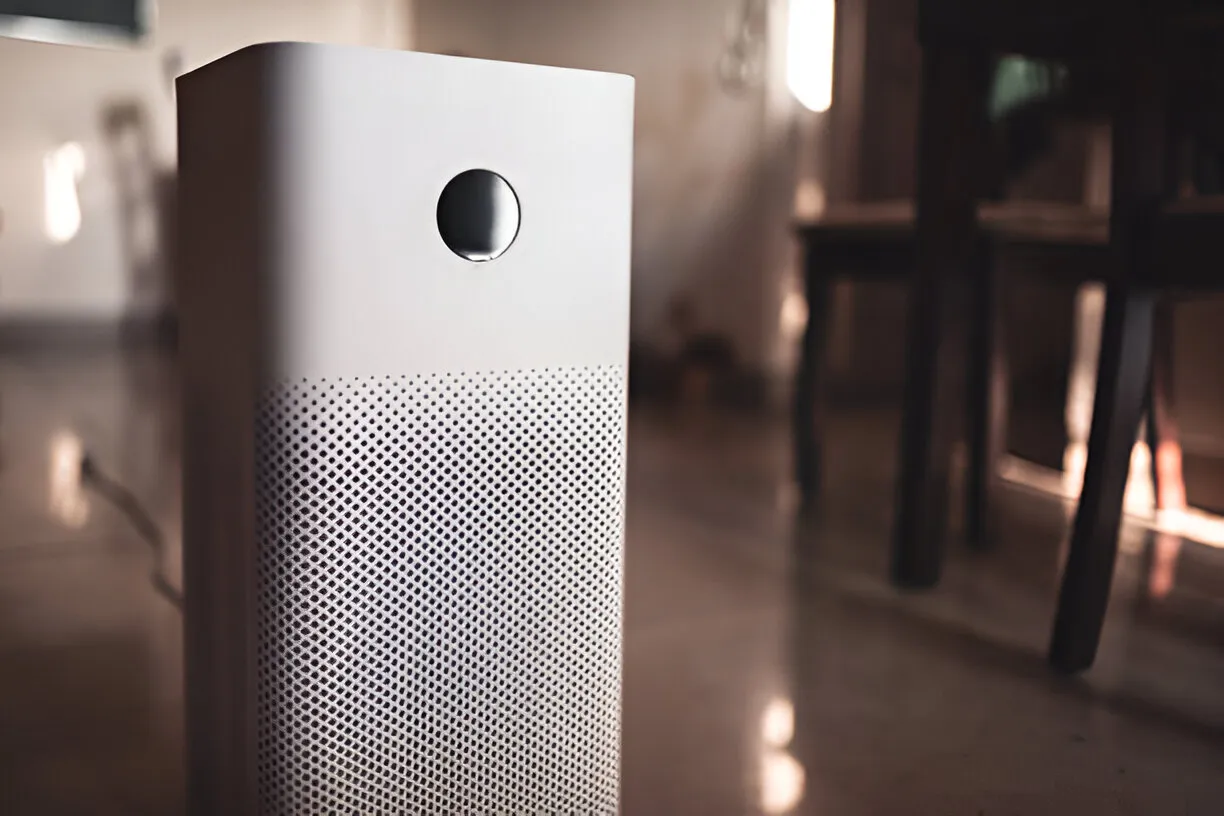
Why controlled ventilation matters in Berwick, OH
- Humidity control: Summer humidity in Ohio increases indoor moisture and can promote mold growth in basements and crawl spaces. In winter, inadequate ventilation combined with indoor moisture sources (cooking, showers, drying clothes) can cause condensation on windows and cold surfaces.
- Pollutant removal: Modern, tighter building envelopes reduce natural air leakage but trap indoor pollutants: VOCs from finishes, cooking particulates, elevated CO2 in occupied rooms, and allergens. Mechanical ventilation ensures consistent exchange of indoor and outdoor air.
- Comfort and durability: Balanced ventilation stabilizes indoor humidity and temperature distribution, reducing drafts, condensation, and the risk of rot or mold in structural components.
Common ventilation approaches (and when to use each)
- Balanced systems (ERV and HRV)
- HRV (Heat Recovery Ventilator): Transfers sensible heat between outgoing and incoming airstreams. Best where winter heat recovery is the priority and indoor humidity is low to moderate.
- ERV (Energy Recovery Ventilator): Transfers both heat and moisture. In Berwick’s humid summers and cold winters, ERVs often perform better because they help limit the amount of outdoor moisture entering in summer while recovering heat in winter.
- Use for tightly sealed homes, new construction, or major airtightness upgrades.
- Exhaust-only systems
- Use one or more exhaust fans to depressurize the house and draw fresh air through intentional vents or infiltration paths. Simpler and lower upfront cost but can pull outdoor pollutants into the home, may affect combustion appliances, and offers limited humidity control.
- Appropriate for moderate budgets or when used with careful planning and combustion-safety checks.
- Supply-only systems
- Force conditioned outdoor air into the home. They pressurize the building and can reduce infiltration of outdoor allergens but do not continuously remove indoor pollutants and moisture. Often used in combination with spot exhausts.
- Consider where infiltration control is less critical and there is a need to pressurize specific spaces.
Selecting the right system for your home
System selection should be based on home size, occupancy, and moisture load:
- Calculate ventilation needs: A commonly used guideline (ASHRAE 62.2) combines a per-floor-area rate and a per-person rate: typically around 3 cfm per 100 sq ft plus 7.5 cfm per occupant. Use this to size ERV/HRV fans and ductwork.
- Consider occupancy and activities: Homes with more people, frequent cooking, or drying laundry indoors need higher ventilation rates and better moisture control.
- Assess airtightness: The tighter the home, the more important a balanced ERV/HRV to provide controlled air exchange without relying on drafts.
- Climate considerations in Berwick: Given hot, humid summers and cold winters, an ERV often provides the best balance of heat and moisture control for year-round comfort.
Installation and commissioning steps
A proper installation ensures performance and long service life:
- Home assessment: Measure square footage, occupant count, existing HVAC capacity, and building envelope tightness. Identify source-control opportunities (range hoods, dryer ventilation).
- Design layout: Place intake and exhaust points to create effective whole-house air distribution while avoiding cross-contamination (e.g., locating intakes away from exhausts and pollutant sources).
- Ducting and mounting: Install insulated ducts, dedicated intake/exhaust terminations with insect screens, and the ERV/HRV unit in an accessible location (mechanical room or attic with proper freeze protection).
- Controls and integration: Integrate with existing HVAC controls or use stand-alone timers/CO2/humidity-based controls. Ensure interlocks with combustion appliances meet safety requirements.
- Commissioning and testing: Measure actual cfm, verify balance between supply and exhaust (for balanced systems), test for pressure impacts on combustion appliances, and verify heat/moisture recovery performance. Adjust dampers and controls for intended ventilation rates.
- Code compliance: Confirm design meets applicable standards, such as ASHRAE 62.2 and local code requirements in Ohio, including combustion appliance safety and exhaust termination rules.
Energy recovery options and efficiency
- Heat and moisture exchange: ERVs and HRVs reclaim heat from exhaust air, reducing the conditioning load on your HVAC. ERVs additionally moderate moisture transfer, which is valuable in Berwick’s humid summers.
- Fan efficiency and controls: Look for high-efficiency motors, variable-speed fans, and demand-controlled ventilation (CO2 or humidity sensors) to provide fresh air only when needed, minimizing energy use.
- Freeze protection: In cold months, HRV/ERV units have built-in strategies (preheaters, defrost cycles, or bypass controls). Proper selection avoids reduced performance or frost buildup in winter.
Maintenance and long-term care
Routine maintenance keeps performance and indoor air quality consistent:
- Change or clean filters every 3–6 months, more often if homes have pets or high dust loads.
- Inspect and clean the heat/energy exchange core annually; follow manufacturer guidance for gentle cleaning.
- Check condensate drains and seals for blockages or leaks—especially important in humid months.
- Verify fan operation, electrode or defrost components, and control sensors annually.
- Expect major components to last 10–20 years with proper care; motors and cores may require replacement earlier depending on usage.
Common issues and troubleshooting
- Noise or vibration: Often caused by loose mounting, unbalanced fans, or undersized ducting. Proper isolation and duct sizing fix most problems.
- Imbalance (feels drafts or stagnant rooms): Recheck commissioning flow measurements and adjust dampers or distribution points to ensure even airflow.
- Condensation or frost on intakes in winter: Ensure freeze-protection features are working and intake terminations are appropriately sized and located.
- Excess humidity despite ventilation: Check for indoor moisture sources, verify ERV operation, and ensure outdoor air is being tempered appropriately.
Benefits for comfort, health, and building durability
- Improved indoor air quality: Consistent removal of CO2, VOCs, and particulates supports health and cognitive function.
- Mold and moisture prevention: Balanced ventilation and moisture transfer control reduce condensation and mold growth in basements, attics, and wall cavities.
- Comfort improvements: Even temperature and humidity control reduce complaints about stuffiness, lingering odors, and uneven heating or cooling.
- Energy savings and endurance: Recovering heat (and moisture with an ERV) reduces HVAC load, helping systems run more efficiently while protecting the building envelope from moisture-related deterioration.
Ventilation in Berwick, OH should be tailored to local climate realities and the unique characteristics of each home. A properly selected and commissioned ERV or HRV often offers the best year-round balance of comfort, humidity control, and energy recovery in this region, while exhaust-only or supply-only systems have specific, limited applications. Regular maintenance and proper commissioning are essential to realize the full benefits for indoor air quality and long-term durability.
Hot Deals & Cool Savings

.webp)
New Service Agreement Membership
.webp)
Any New Client Service
Next Service for Referring a New Client
New Service Agreement Membership
Any New Client Service
Next Service for Referring a New Client
.webp)
.webp)

Service Areas
