
Whole House Air Filtration in Berwick, OH
Improve indoor air quality in Berwick, OH with whole-house filtration. Drive down allergens and smoke particles; schedule installation today.

Whole House Air Filtration in Berwick, OH
Cleaner indoor air starts with the right whole‑house air filtration solution installed and balanced for your Berwick, OH home. Whether you’re fighting spring pollen, wintertime dust from forced‑air heating, pet dander from active households, or lingering tobacco and cooking smoke, a properly designed whole‑house system lowers particulates, reduces allergens, and protects HVAC equipment — all while keeping airflow and comfort consistent across your house.
Why whole‑house filtration matters in Berwick homes
Berwick’s seasonal climate — pollen and mold in spring and summer, increased indoor heating in fall and winter, and occasional road and construction dust — concentrates airborne particles inside homes. Portable room filters help locally, but only a whole‑house approach treats every room at the central return and keeps the furnace and ductwork cleaner, improving comfort and reducing the frequency of deep cleans.
Common concerns that lead homeowners in Berwick to upgrade:
- Persistent pet dander and odors
- Allergies or asthma that worsen during pollen season
- Visible dust buildup on surfaces despite regular cleaning
- HVAC filters clogging frequently or uneven airflow
- Smoke infiltration from nearby sources or indoor smoking
Common whole‑house air filtration types and MERV ratings
Choosing the right filter starts with understanding filter classes and typical performance.
- Disposable pleated filters (MERV 8–11): Good for trapping larger dust, lint, and pollen. Appropriate for most homes where the primary goal is dust control and basic allergy relief without major system modifications.
- High‑efficiency pleated filters (MERV 11–13): Capture finer allergens, some combustion particles, and smaller dust. MERV 13 is commonly recommended where finer particle capture is needed and the HVAC system can handle the added resistance.
- Whole‑house media filters: Larger, thicker filter media in a sealed cabinet. They provide high particle capture with lower pressure drop than equivalent thin high‑MERV filters and are a good upgrade for systems used heavily in pet or allergy homes.
- True whole‑house HEPA (with dedicated fans/boxes): HEPA removes the smallest particles (99.97% at 0.3 microns) but typically requires a dedicated fan or bypass because standard residential furnaces are not designed to operate against HEPA’s high airflow resistance.
- Electronic air cleaners and ionizers: Use electrical fields to collect particles. They can be very effective for fine particles but require regular cleaning and proper installation to avoid ozone generation or reduced performance.
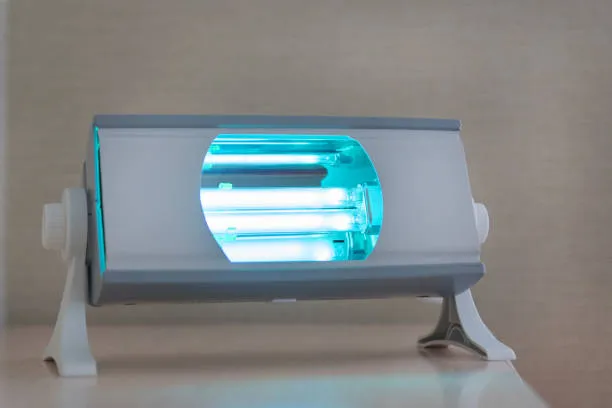
- UV germicidal lights (paired systems): Not a particle filter, but UV lamps installed near the coil control microbial growth on the coil and in the drain pan; they work best combined with particulate filtration to reduce biological allergens and odors.
How filtration affects HVAC performance and airflow
Higher‑efficiency filters trap more particles but also increase resistance to airflow (static pressure). If a furnace or air handler isn’t compatible with higher MERV filters, you may see:
- Reduced airflow to rooms farthest from the air handler
- Harder working blower motor and potential short cycling
- Decreased comfort and possible impact on system longevity
A professional assessment checks static pressure and blower capacity. Options to maintain airflow while upgrading filtration include installing a larger media cabinet, using a variable‑speed blower, or adding a dedicated in‑duct filtration box or bypass HEPA unit.
Installation and retrofit approaches for Berwick homes
Whole‑house filtration can be installed into new or existing systems using a few common approaches:
- Drop‑in replacement: Swapping a standard filter for a higher‑efficiency pleated filter when the system can handle it.
- In‑cabinet media retrofit: Installing a filter cabinet at the return end that accepts larger media filters for improved capture with manageable pressure drop.
- Duct‑mounted filtration boxes: Dedicated housings that allow HEPA or high‑efficiency media with a bypass fan where necessary.
- Integrated HVAC upgrades: Replacing or upgrading the air handler or blower to support higher‑efficiency filtration while preserving airflow and efficiency.
A proper retrofit includes measuring static pressure before and after, verifying airflow and thermostat performance, and sealing filter housings to prevent bypass.
Combining filters with UV and electronic cleaners
For households with respiratory sensitivities or recurring mold concerns, a layered strategy works best:
- Particulate filtration (MERV 11–13 or better) for dust, pollen, and pet dander
- UV lights positioned at the coil to reduce mold and bacterial growth on surfaces
- Electronic cleaners for extra fine particle capture where suitable, with regular maintenance to avoid performance decline
Be mindful: some electronic air cleaners can produce ozone as a byproduct. Always install equipment certified for low or no ozone and follow manufacturer maintenance recommendations.
Maintenance schedules and practical expectations
Maintenance frequency depends on filter type and home conditions:
- Basic disposable filters: check monthly; typically replaced on a seasonal cadence if clogged
- Pleated high‑efficiency filters: check every 1–3 months in high dust or pet homes; longer in low‑use homes
- Whole‑house media: generally inspected quarterly and replaced or serviced annually depending on load
- Electronic cleaners and UV systems: annual inspection and cleaning is recommended to maintain performance
Replacement frequency and the choice of filter should be driven by visual checks, pressure drop readings, and symptoms like increased dust or allergy flare‑ups.
What reduction in particulates and allergens you can expect
Upgrading from a basic filter to a higher‑efficiency whole‑house solution will usually show measurable improvement:
- Reduced visible dust settling on surfaces within days to weeks
- Noticeable decreases in allergy symptoms over weeks as household dust and pollen loads drop
- Significant reductions in fine particles and smoke markers when using MERV 13 or better, and near‑complete removal of submicron particles with true HEPA systems where appropriate
Exact reductions vary by filter efficiency, system fit, and home behavior (open windows, smoking, pets). For households in Berwick coping with heavy spring pollen, a high‑efficiency whole‑house filter often produces one of the fastest and most consistent improvements.
Choosing the right filtration for pets, smokers, or allergy sufferers
- Homes with pets: Choose thicker media or MERV 11–13 to manage dander and hair without excessively frequent replacements.
- Homes with smokers: Consider MERV 13 or a dedicated in‑duct HEPA/bypass blower to capture smaller combustion particles and odors; combine with activated carbon stages for odor control.
- Homes with allergy sufferers or asthma: Prioritize sealed media or HEPA solutions with low bypass and consider pairing with UV to reduce biological triggers.
Final selection should follow an in‑home assessment of your HVAC blower capacity, duct condition, and specific indoor air quality concerns.
Long‑term benefits and upkeep
A properly designed whole‑house air filtration upgrade reduces cleaning time, protects HVAC equipment, improves per‑room comfort, and can materially improve health outcomes for allergy and asthma sufferers. For Berwick residents, addressing seasonal pollen, household pets, and wintertime indoor particle concentration with the right system preserves indoor air quality year‑round.
Regular inspections, matched filter selection, and occasional professional airflow testing keep the system operating efficiently and ensure filtration upgrades deliver the intended health and comfort benefits.
Hot Deals & Cool Savings

.webp)
New Service Agreement Membership
.webp)
Any New Client Service
Next Service for Referring a New Client
New Service Agreement Membership
Any New Client Service
Next Service for Referring a New Client
.webp)
.webp)

Service Areas
