
HVAC Tune-up in Powell, OH
Powell OH HVAC tune-up keeps your system efficient and safe. Schedule a seasonal service today to lower energy costs and prevent breakdowns. Learn more.

Keeping your heating and cooling system running reliably year round starts with a thorough HVAC tune-up. In Powell, OH, where summers are hot and humid and winters swing between freezing nights and milder days, seasonal tune-ups are one of the most cost effective ways to protect comfort, control energy costs, and avoid emergency breakdowns. Best Service Heating & Cooling provides comprehensive, seasonal HVAC tune-ups tailored to Powell homes and local climate conditions, focusing on safety, efficiency, and long equipment life.
Why seasonal HVAC tune-ups matter in Powell, OH
Powell experiences both humid summers and cold winters, which place different stresses on HVAC equipment. Air conditioners run hard all summer to combat heat and humidity, increasing condensation and pollen buildup on outdoor coils. Furnaces and heat pumps work through cold snaps in winter, which can reveal cracked heat exchangers, weak ignition components, or stuck dampers. Seasonal tune-ups catch developing problems before they become emergencies.
Regular tune-ups also preserve efficiency. A system with clean coils, proper refrigerant charge, and calibrated controls uses less energy to deliver the same comfort. That matters in Powell where prolonged hot or cold stretches can spike utility bills. Beyond cost savings, preventive maintenance improves indoor air quality, reduces system downtime, and helps keep manufacturer warranties intact.
Common HVAC problems in Powell homes
- Dirty filters and restricted airflow from pollen, dust, or pet hair
- Low refrigerant or small leaks leading to reduced cooling performance
- Clogged condensate drains causing water damage and shutdowns
- Worn belts, bearings, or blower motor issues causing noise and reduced airflow
- Failing capacitors, contactors, or relays that cause intermittent operation
- Thermostat miscalibration or communication issues with smart thermostats
- Short cycling or inefficient heating caused by dirty burners or a cracked heat exchanger
- Frozen evaporator coils from poor airflow or low refrigerant
- Duct leaks or poor insulation that reduce system efficiency in older homes
Identifying these issues early through scheduled tune-ups reduces the chance of emergency service calls, especially during heat waves or cold snaps when repair costs and wait times tend to increase.
Standard HVAC tune-up checklist
A professional seasonal tune-up should follow a structured checklist to ensure nothing important is missed. Best Service Heating & Cooling uses a comprehensive list during each visit; core items include:
- Filter inspection and replacement when needed
- Verify filter size and type, replace disposable filters, and advise on higher efficiency options when appropriate.
- Visual and mechanical inspection of the outdoor unit and indoor air handler
- Clear debris, check fan blades and mounts, inspect cabinet seals and panels.
- Condenser and evaporator coil cleaning
- Remove dirt and biological buildup that reduces heat transfer and system efficiency.
- Refrigerant check and leak assessment
- Measure pressures and temperatures, inspect lines and connections for signs of leaks or oil staining; recommend repairs if leaks are detected.
- Electrical system and safety controls inspection
- Tighten electrical connections, test capacitors and contactors, verify operation of high- and low-pressure safeties.
- Combustion inspection for gas-fired equipment
- Measure combustion efficiency and carbon monoxide levels, inspect burners and venting, and check the heat exchanger for visible cracks or corrosion.
- Thermostat calibration and control checks
- Confirm accurate temperature sensing, examine control programming, and verify proper communication with zone or smart systems.
- Blower assembly cleaning and performance tuning
- Clean blower wheel, inspect belt condition where applicable, measure airflow and adjust blower speed to manufacturer recommendations.
- Drain line and pan cleaning
- Clear condensate traps, flush drains, and inspect for rust or deterioration that could lead to leaks.
- Airflow and static pressure check
- Measure system airflow to confirm adequate supply and return volumes; identify restrictive ducts or dirty coils.
- Lubrication of moving parts where required
- Apply appropriate lubricants to motors and bearings to reduce wear.
- Inspect ductwork where accessible
- Look for disconnected seams, heavy dust loading, or insulating issues that reduce efficiency.
- Review of system operating history and homeowner concerns
- Document run times, cycling behavior, and any abnormal noises or odors.
Each tune-up visit ends with a clear written summary of findings, recommended repairs, and an explanation of how issues may affect comfort, safety, and energy use.
What happens during an air conditioning tune-up (spring/summer)
A summer tune-up focuses on cooling performance and moisture control because Ohio humidity and summer pollen place particular stresses on AC systems:
- Outdoor coil and condenser inspection and cleaning to improve heat rejection
- Refrigerant system performance check and charge verification
- Electrical inspection focused on high-load components and start-up circuits
- Evaporator coil inspection and cleaning to prevent icing and improve cooling capacity
- Condensate drain cleaning and primary/secondary float safety inspection
- Thermostat calibration and humidity control review
- System run test to monitor temperature split, compressor operation, and airflow
These steps reduce the risk of mid-summer failures and help the system to reach designed efficiency levels when it matters most.
What happens during a heating tune-up (fall/winter)
A heating tune-up targets safe and reliable operation through colder months:
- Gas furnace combustion analysis including CO testing and burner inspection
- Heat exchanger visual inspection for cracks or corrosion
- Ignition system testing (pilot assembly or electronic ignition)
- Draft and venting evaluation to ensure proper exhaust flow
- Blower motor and wheel cleaning and inspection for proper air movement
- Safety control testing (limit switches, roll-out sensors, and flame sensors)
- System start-up under load to identify unusual cycling or noise patterns
These inspections are especially important in Powell where cold snaps can reveal hidden issues that threaten safety or cause expensive emergency repairs.
How tune-ups improve performance and efficiency
- Restore factory-level efficiency: Clean coils and correct refrigerant charge allow the outdoor unit and inside coil to transfer heat properly so the system does not have to run longer to reach setpoints.
- Improve airflow: Clean filters, blower maintenance, and duct checks reduce static pressure. Better airflow improves comfort and reduces compressor and fan runtime.
- Reduce energy use: Systems with sealed electrical connections, properly lubricated components, and calibrated controls draw less electricity and operate closer to their rated performance.
- Extend equipment life: Addressing small issues like worn belts and marginal capacitors before they cause stress on other components reduces wear and keeps systems functioning longer.
- Maintain warranty compliance: Many manufacturer warranties require periodic maintenance. Documented tune-ups help preserve coverage.
- Minimize emergency breakdowns: Preventative checks uncover failing parts early, so repairs can be scheduled rather than leaving homeowners without heat or air during peak demand.
How tune-ups prevent emergency breakdowns
Emergency breakdowns often result from deferred maintenance. Routine tune-ups catch progressive wear and hidden faults that gradually degrade system reliability. Examples:
- A weak start capacitor may still allow operation but will eventually fail during a high-heat event, leaving the home without cooling on a hot afternoon. A tune-up identifies the weakening part and replaces it before failure.
- A minor refrigerant leak reduces cooling capacity and causes the compressor to run longer; this overload can lead to compressor burnout. Catching leaks early prevents costly compressor replacement.
- A cracked heat exchanger can allow carbon monoxide to enter the living space. A seasonal combustion inspection identifies warning signs long before a dangerous failure.
Routine maintenance converts unexpected emergencies into planned, lower-stress repairs.
Membership benefits and recurring maintenance
Best Service Heating & Cooling offers a structured maintenance plan designed to keep Powell systems operating at peak performance through seasonal tune-ups. Benefits typically provided through a membership plan include:
- Scheduled seasonal tune-ups timed for spring and fall to prepare your system for heavy-use periods
- Priority scheduling for members during peak seasons
- A standard discount on service calls or repairs for enrolled members
- Documented inspection reports that help maintain manufacturer warranty requirements
- Reduced total cost of ownership through fewer emergency repairs and extended equipment life
Memberships provide predictability and peace of mind, particularly in communities like Powell where seasonal extremes and rapid temperature swings can stress equipment.
Signs your system needs a tune-up now
- Increased energy bills without a corresponding change in use
- Rooms that are unevenly heated or cooled
- Unusual smells or intermittent odors when the system runs
- Short cycling where the system turns on and off frequently
- Strange noises (clanking, buzzing, or grinding) during startup or operation
- Visible dirt buildup on indoor blower or outdoor coil
- Thermostat not holding temperature or delayed response
- Furnace flame that is not stable or appears yellow instead of steady blue (gas appliances)
Addressing these signs quickly through a professional tune-up prevents escalation into larger repairs.
What homeowners should do before the technician arrives
- Make the area around indoor and outdoor equipment accessible and clear of obstacles
- Note any specific concerns or recent changes in behavior (noises, odors, erratic operation)
- Replace basic disposable filters if heavily soiled before inspection to help technicians evaluate baseline airflow
- Ensure access to the system's electrical disconnect and thermostat
- For homes with pets, secure animals for safety during service
A little preparation helps the technician focus on diagnostics and fixes rather than logistics.
Tune-up frequency recommendations for Powell, OH
- Air conditioning systems: once per year, typically in spring before peak cooling demand
- Heating systems (furnaces/heat pumps): once per year, typically in late summer or early fall before heating season
- High-use or older systems: consider two seasonal visits per year to maintain optimal operation and catch early wear
- Homes with indoor air quality concerns, pets, or polypharmacy allergies: more frequent filter changes and inspections are recommended
Adhering to scheduled tune-ups aligned with seasonal demand is the most effective strategy to protect comfort and energy budgets.
Diagnostic tools and measurements used during a professional tune-up
A thorough tune-up is not guesswork. Professionals use instruments and standardized tests to quantify system health:
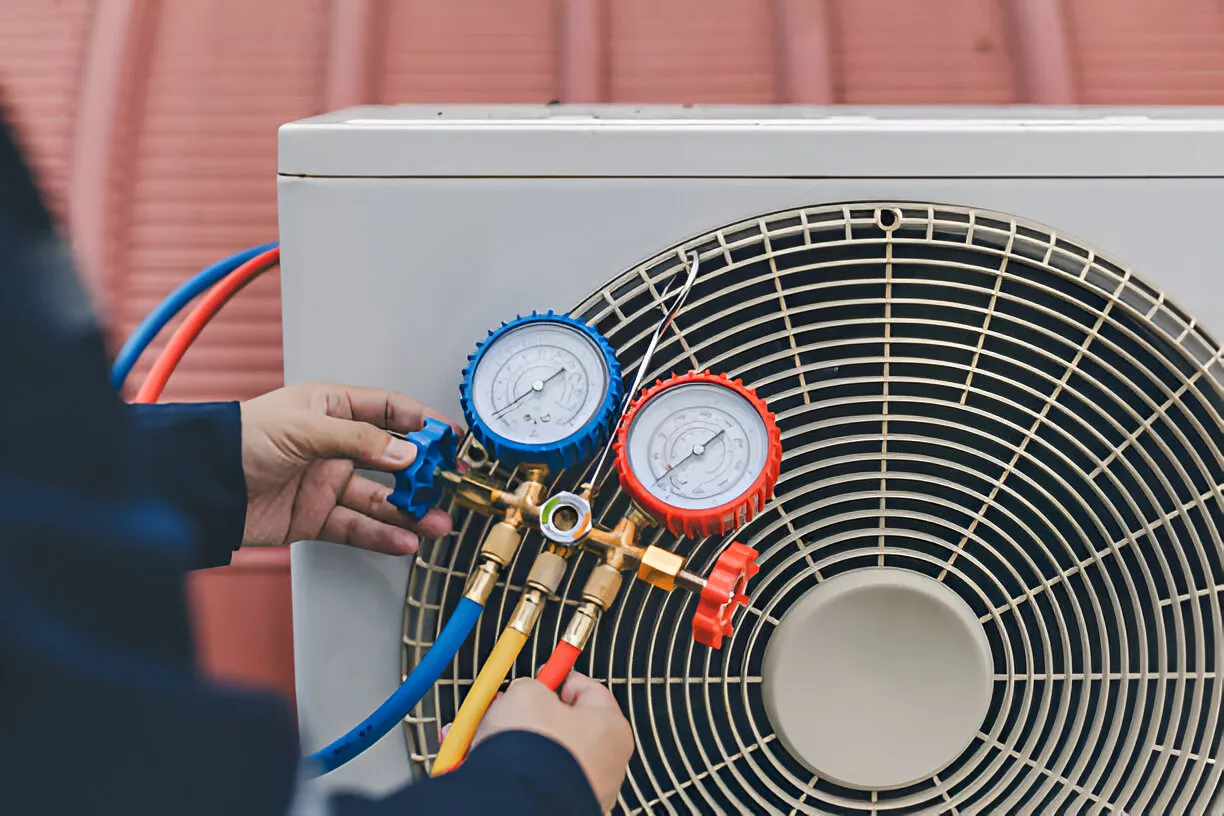
- Refrigerant pressure gauges and temperature readings to calculate superheat and subcooling
- Combustion analyzer for CO levels, oxygen, and efficiency on gas appliances
- Clamp meter for measuring electrical current draw on motors and compressors
- Tachometer and airflow measurement tools for verifying blower RPM and cubic feet per minute
- Static pressure testing across the system to identify duct restrictions
- Infrared camera to detect hot spots or failing electrical connections
- Visual inspection tools and mirror scopes for heat exchanger assessment
These diagnostics allow technicians to recommend targeted repairs and validate improvements after service.
Safety considerations during tune-ups
Safety is a priority, particularly for combustion appliances and electrical systems. Professional tune-ups include:
- Carbon monoxide testing to ensure safe combustion and venting
- Inspection of gas lines and connections for leaks or corrosion
- Verification of ignition safety controls and limit switches
- Secure electrical connections and testing to prevent arcing and overheating
- Proper disposal or containment of condensate and refrigerant per regulations
Ensuring occupant safety is as important as restoring comfort and efficiency.
Long-term value of regular tune-ups
Over the life of an HVAC system, routine maintenance can represent significant savings through:
- Lower annual energy costs
- Reduced frequency of major repairs
- Longer equipment life and better resale value for homes
- Fewer emergency service calls during peak weather
- Sustained indoor comfort and air quality
A well-maintained system runs closer to its original specifications, delivering predictable comfort with fewer surprises.
Hot Deals & Cool Savings

.webp)
New Service Agreement Membership
.webp)
Any New Client Service
Next Service for Referring a New Client
New Service Agreement Membership
Any New Client Service
Next Service for Referring a New Client
.webp)
.webp)

Service Areas
