
HVAC Installation in Powell, OH
Powell, OH HVAC installation delivers precise sizing, energy-efficient equipment, and professional commissioning for reliable comfort. Learn more about our expert installation service.

Installing a new HVAC system is one of the most important home improvement decisions for comfort, efficiency, and long term energy costs. For homeowners in Powell, OH, where hot humid summers and cold winters place year round demand on heating and cooling systems, a properly designed and professionally installed system is essential. Best Service Heating & Cooling brings decades of local experience to every installation, combining accurate sizing, quality equipment options, and careful commissioning to deliver reliable performance and predictable operating costs for years to come.
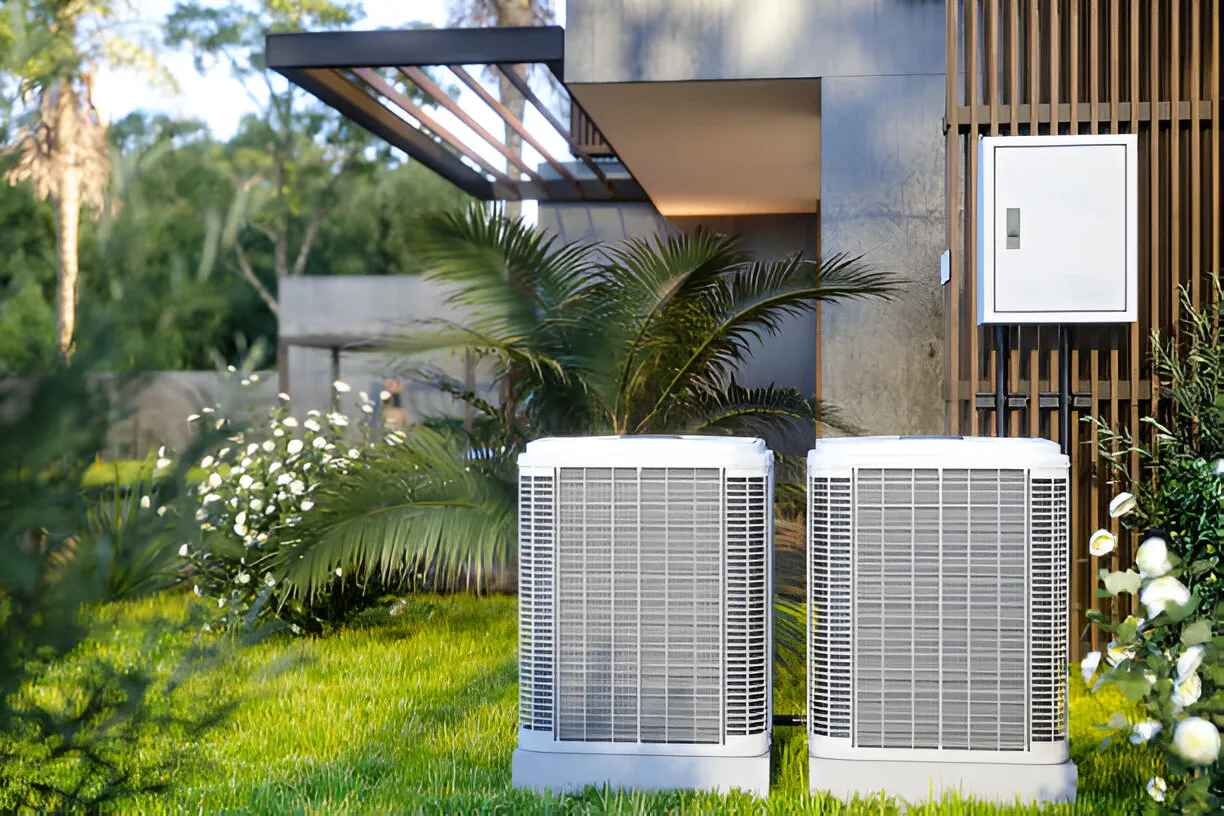
Why a professional HVAC installation matters in Powell, OH
Powell homes face a wide spectrum of weather: summer humidity that drives air conditioning runtimes and winter cold snaps that stress heating systems. That range makes improper equipment sizing or poor installation costly in two ways: higher monthly energy bills and shortened equipment life. A professional installation:
- Ensures your system is sized and configured for Powell climate demands
- Minimizes humidity problems in summer and maintains comfortable, even heat in winter
- Protects manufacturer warranties through certified installation and registrations
- Reduces the likelihood of premature failures and repetitive repair costs
Best Service Heating & Cooling applies local knowledge of Powell building styles and typical insulation levels when recommending systems, so the solution fits your home rather than relying on rule of thumb.
Common HVAC needs and installation types in Powell homes
Homeowners typically choose among these installation projects:
- Complete system replacement - furnace and air conditioner or heat pump replacement when equipment is end of life
- Split system upgrade - replace outdoor condenser and indoor coil while keeping compatible furnace or air handler
- Heat pump install - traditional air source or cold climate heat pumps to reduce fossil fuel use
- Ductless mini split installation - ideal for additions, finished basements, garages, or homes without ductwork
- Furnace-only replacement - when existing central AC remains serviceable but heating needs renewal
- New construction installations - system design and install coordinated with builder timelines
- Ductwork replacement or modification - required when ducts are undersized, leaky, or poorly laid out
- Zoning and smart control installs - for better comfort control across different areas of the home
Each project type has distinct planning, timeline, and material needs. Best Service Heating & Cooling assesses these up front to recommend the most cost effective path.
Pre-install consultation: what to expect
A thorough pre-install consultation sets the foundation for a successful installation. Typical elements include:
- Onsite home inspection - review of existing equipment, ductwork, insulation levels, attic and crawlspace access, ventilation, and electrical capacity
- Comfort and usage interview - understanding occupant schedules, rooms with comfort problems, and indoor air quality concerns
- Review of energy goals - priorities such as lower bills, quieter operation, or reduced carbon footprint
- Preliminary equipment options - discussing furnace efficiency ratings, SEER rated AC units, heat pump types, and ductless alternatives appropriate for your home
During this stage Best Service Heating & Cooling documents constraints like limited furnace closet space or long duct runs that will influence final recommendations.
Load calculations and proper sizing
Correct sizing is critical. Oversized equipment cycles on and off too frequently which increases wear and reduces dehumidification. Undersized equipment struggles to maintain temperature and runs continuously, increasing energy use.
The proper approach includes:
- Manual J heat load calculation - a room by room calculation that accounts for square footage, orientation, window sizes, insulation, air infiltration, and occupant loads
- Duct sizing and friction calculations - Manual D principles to ensure adequate airflow without excessive static pressure
- Equipment selection matched to real load numbers - choosing capacity and efficiencies appropriate for Powell climate and the home
Best Service Heating & Cooling performs industry standard Manual J and Manual D calculations for every installation. Accurate calculations avoid the common mistakes of simple tonnage estimates based on home square footage alone.
Recommended equipment types for Powell homes
Choosing the right equipment depends on home size, ductwork condition, fuel availability, and long term goals. Common options include:
- High-efficiency furnaces
- Ideal for homes that rely on natural gas for heating
- Modern condensing furnaces provide steady, reliable heat and high AFUE ratings to lower winter fuel bills
- Proper combustion setup and venting are part of correct installation
- Central air conditioners
- Central coolers paired with well-matched indoor coils provide whole house comfort
- Higher SEER ratings and variable speed compressors improve efficiency and humidity control during Powell summers
- Heat pumps
- Air source and cold climate heat pumps can provide both heating and cooling, offering a pathway away from fossil fuels
- Modern heat pumps maintain efficiency in colder temperatures; pairing with a backup heat source can be considered for extreme cold
- Heat pumps are particularly attractive where homeowners want a single system for year round climate control
- Ductless mini split systems
- Excellent for additions, finished basements, older homes without ducts, or zoning trouble spots
- Provide room by room control and high seasonal efficiency
- Require precise placement of indoor heads and proper refrigerant line routing
- Hybrid systems and variable speed equipment
- Two stage and variable speed blowers improve comfort by maintaining more consistent temperatures and better dehumidification
- Hybrid systems may combine heat pump with furnace for optimized efficiency across seasons
Best Service Heating & Cooling reviews manufacturer specifications and local performance considerations before making equipment recommendations so the system meets Powell weather demands.
Installation process and typical timelines
Installations vary by complexity. Below is a general outline and realistic timeline expectations:
- Scheduling and permit coordination (1 to 2 weeks)
- Determining equipment lead times and arranging necessary permits where required by local authorities
- Best Service Heating & Cooling helps coordinate permit submission and inspection scheduling
- Job preparation (1 to 2 days prior)
- Delivery of equipment, staging of materials, and protection of floors and landscaping
- Removal of old equipment (half day to 1 day)
- Safe disconnection, removal, and responsible disposal or recycling of old units
- Mechanical installation (1 to 3 days)
- Installing furnace or air handler, outdoor unit placement and pad, refrigerant line sets, duct modifications, and electrical connections
- For ductless splits, indoor heads are mounted and refrigerant lines run through minimal wall penetrations
- Ductwork modifications (additional 1 to 3 days if required)
- Sealing, insulating, or rerouting ducts for balanced airflow
- Replacing undersized or heavily leaky ducts will extend project time
- System charging, startup, and commissioning (half day)
- Refrigerant charging, airflow adjustments, combustion testing, and thermostat setup
- Homeowner orientation and documentation (half day)
- Explaining operation, filter care, scheduling maintenance, and providing warranty paperwork
Typical whole system changeouts in an existing Powell home are often completed in 1 to 3 days when ductwork is in good condition. More involved projects such as full duct replacement or complex multi zone conversions may extend to a week or more.
Post-installation testing and commissioning
Commissioning is where a new installation becomes a reliable, optimized system. Proper testing includes:
- Refrigerant charge verification - ensuring outdoor unit has correct refrigerant charge by temperature and pressure testing
- Airflow testing - measuring static pressure and CFM to ensure ducts and blower deliver designed airflow
- Combustion analysis and vent inspection for gas furnaces - confirming safe and efficient burner operation and proper venting
- Thermostat calibration and control checks - verifying setpoints, staging, and any smart control integration
- Electrical safety and breaker verification - checking connections and proper protection
- Leak checks on refrigerant lines and duct sealing verification
- System runtime checks under load to confirm stable operation and comfort performance
- Humidity performance assessment during cooling season for homes in Powell with high summer humidity
A completed commissioning report documents these checks and provides peace of mind that the system is performing as intended.
Warranties and registrations
Understanding warranty coverage is critical in a new system purchase:
- Manufacturer warranties
- Cover specific components such as compressors, coils, and control boards
- Lengths vary by model and manufacturer; some high end equipment may offer extended parts warranties when registered soon after installation
- Labor warranties
- Best Service Heating & Cooling provides workmanship warranties to protect against installation defects
- Labor warranty lengths vary by project type; full details are documented at the time of contract
- Warranty registration and maintenance requirements
- Manufacturers often require timely registration and regular maintenance to keep warranties valid
- Annual or biannual maintenance helps detect issues early and maintain warranty eligibility
Proper installation and following manufacturer start up and registration steps protect both parts and labor coverage. Best Service Heating & Cooling documents registration and provides warranty paperwork and recommended service schedules at handover.
Financing options and budgeting
Large HVAC investments are often financed. Best Service Heating & Cooling makes financing options available to help homeowners manage upfront costs while choosing equipment that maximizes long term savings. Typical considerations when evaluating financing:
- Comparing monthly payment against estimated energy savings
- Evaluating interest rates and term lengths to match homeowner budgets
- Matching investments in higher efficiency equipment to utility rebates and reduced lifetime operating costs
- Understanding tax incentives or local rebates that may apply to high efficiency heat pumps or ENERGY STAR equipment
Financing may make it practical to choose higher efficiency systems that deliver better comfort and lower operating expense across seasons, particularly given Powell climate extremes.
Energy efficiency, indoor air quality, and long term value
A new system is an opportunity to improve more than just temperature control:
- Efficiency improvements
- Upgrading to higher AFUE furnaces or higher SEER air conditioners reduces fuel and electric consumption
- Variable speed equipment uses less power and improves comfort by running longer at lower capacity
- Improved humidity control
- Correctly sized AC and variable speed blowers reduce indoor humidity in Powell summers, improving comfort and protecting woodwork and finishes
- Enhanced indoor air quality (IAQ)
- Whole home filtration upgrades, UV lights, and ventilation solutions can be integrated during installation to reduce allergens, dust, and pollutants
- Duct cleaning and sealing reduces particulate recirculation and improves system efficiency
- Longevity and lower repair costs
- Proper installation and commissioning maximize equipment lifespan and reduce the frequency of breakdowns
- Routine maintenance extends life expectancy and maintains efficiency gains
Investing in quality installation yields measurable savings over the life of the system through reduced fuel bills, improved comfort, and fewer emergency repairs.
Typical problems avoided by professional installation
Homeowners who choose quick or undersized replacements often face recurring issues:
- Short cycling due to oversized equipment, causing wear and higher bills
- Inadequate dehumidification from improper airflow management
- Uneven temperatures due to poor duct design or balance
- Higher repair frequency because components are stressed or improperly connected
- Voided manufacturer warranties due to improper installation or missing registrations
Best Service Heating & Cooling focuses on eliminating these risks with industry best practices and local experience in Powell homes.
Maintenance and seasonal care to protect your investment
Ongoing maintenance is the single best way to protect a new HVAC investment. Key maintenance items include:
- Filter replacement schedule - monthly to quarterly depending on filter type and home conditions
- Annual heating check - combustion analysis for furnaces, safety controls, and heat exchanger inspection
- Annual cooling check - refrigerant level, coil cleaning, and airflow verification before the cooling season
- Duct inspections - checking for leaks, insulation damage, and disconnected runs
- Thermostat and control updates - ensuring schedules and setpoints work with occupant habits
Regular maintenance preserves efficiency, maintains comfort, and keeps warranties intact.
Why local experience matters: Powell specific considerations
Powell neighborhoods range from new subdivisions to older established homes. Local factors that affect installation choices:
- Climate - hot, humid summers and cold winters require balanced systems that control both temperature and humidity
- Home construction - newer homes may have tight envelopes requiring mechanical ventilation; older homes may have leaky ducts and insulation gaps
- Utility rates - evaluating fuel types and electricity tariffs helps recommend the most cost effective heating strategy, especially when considering heat pumps versus gas furnaces
- Seasonal pollen and humidity - IAQ and humidity control are common homeowner priorities during summer allergy season in central Ohio
Best Service Heating & Cooling has served the greater Powell and Columbus area for decades and tailors system design to these regional realities.
What to expect at handoff
At project completion homeowners receive:
- A written commissioning and performance report
- Manufacturer warranty documentation and registration confirmation when applicable
- Operation and maintenance guidance including filter types and maintenance intervals
- Recommendations for seasonal service and maintenance plans to preserve system health
Hot Deals & Cool Savings

.webp)
New Service Agreement Membership
.webp)
Any New Client Service
Next Service for Referring a New Client
New Service Agreement Membership
Any New Client Service
Next Service for Referring a New Client
.webp)
.webp)

Service Areas
