
HVAC Repair in Powell, OH
Powell, OH residents receive expert HVAC repair with fast diagnostics, clear timelines, and durable, energy-saving fixes to restore comfort quickly.

When your home in Powell, OH loses heating in January or your air conditioner struggles through a muggy July afternoon, the disruption is immediate and stressful. HVAC repair is about restoring comfort, safety, and efficiency quickly and reliably. Best Service Heating & Cooling brings decades of local experience diagnosing and repairing furnaces, air conditioners, boilers, and heat pumps in Powell homes.
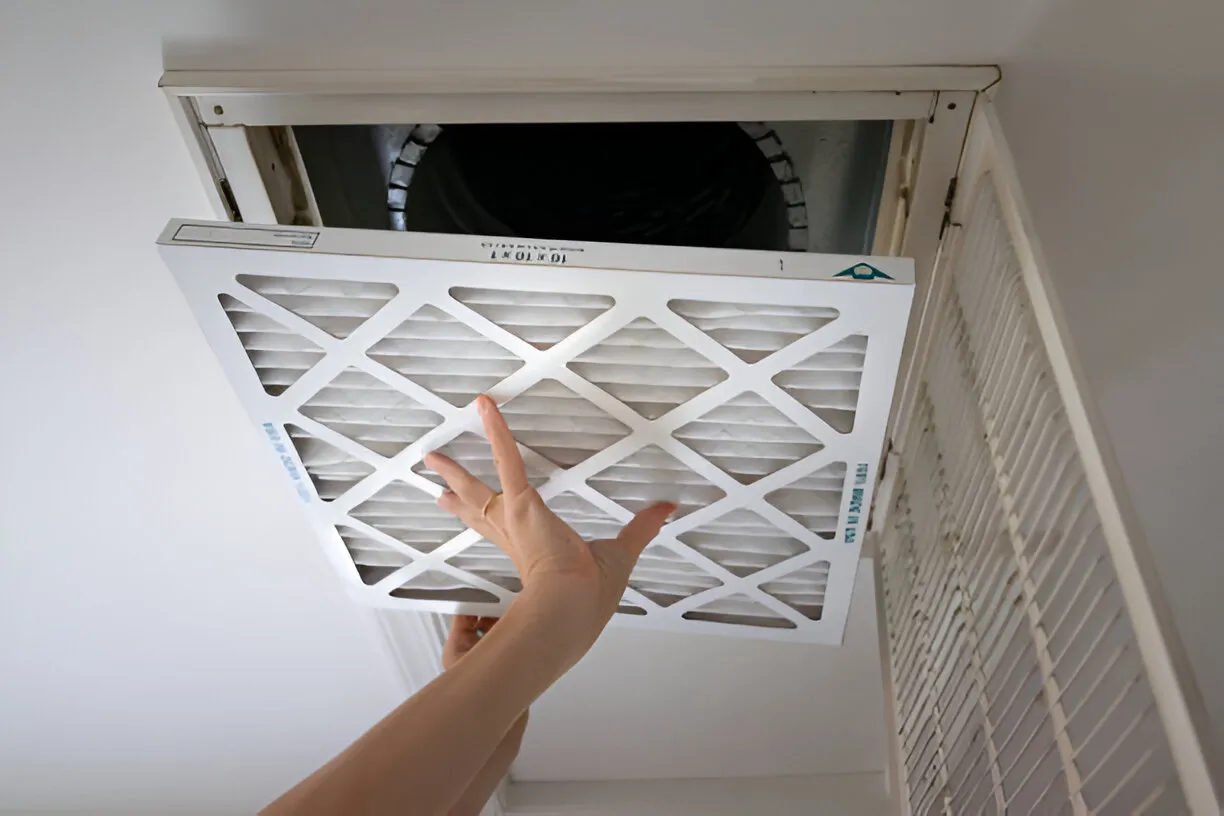
Why prompt HVAC repair matters in Powell, OH
Powell experiences cold winters and humid summers. Cold snaps and heavy furnace demand can expose failing components, while hot, humid summers place sustained load on air conditioning systems. Delaying repair increases the risk of secondary damage: a small refrigerant leak can ruin a compressor, a clogged condensate drain can cause water damage, and a cracked heat exchanger is a safety hazard. Prompt, professional repair reduces energy bills, restores comfort faster, and protects indoor air quality and home systems from more costly failures.
Common HVAC system types and failure modes in Powell homes
Powell houses include a mix of newer construction with modern heat pumps and central air systems and older homes with furnaces and boilers. Each system has typical failure modes:
- Furnaces (gas and electric)
- No heat or intermittent heating
- Ignition or pilot relay failure (hot surface igniter or pilot assembly)
- Short cycling caused by thermostat issues or overheating
- Blower motor failure or capacitor problems
- Clogged air filters or restricted airflow causing overheating and safety lockouts
- Cracked heat exchanger causing carbon monoxide risk
- Air conditioners and heat pumps (cooling mode)
- No cooling or reduced cooling capacity
- Refrigerant leaks leading to low charge and compressor stress
- Compressor failure or hard starting (often due to weak capacitors)
- Condenser coil fouling from pollen and debris reducing heat transfer
- Faulty contactors, relays, or control boards
- Fan motor or blower issues and frozen evaporator coils from low airflow
- Boilers (hot water and steam)
- No heat or uneven heating across zones
- Leaks at valves, circulator pumps, or piping
- Pressure loss, frequent cycling, or kettling caused by scale and combustion issues
- Faulty aquastats, sensors, or control valves
- Ignition and flame sensing problems on gas boilers
- Heat pumps (air-source)
- Failure to switch between heating and cooling (reversing valve or control issue)
- Defrost cycle problems leading to icing in winter
- Loss of refrigerant resulting in poor heating performance
- Compressor or fan motor failures
Understanding these common failure modes helps homeowners know what to expect from diagnosis and repair.
The diagnostic process: how technicians pinpoint the problem
A systematic diagnostic process separates quick fixes from deeper issues. Best Service Heating & Cooling technicians follow an evidence-based inspection routine tailored to the system type and symptoms.
Typical diagnostic steps:
Customer history and symptom check
- Technicians start by documenting what the homeowner observed: noises, odors, frequency of failure, how long the issue has been present, and any recent changes (power outages, renovations, thermostat replacement).
Visual inspection
- External components are inspected for obvious issues: burned wires, corroded terminals, oil or refrigerant stains, clogged condensate lines, and blocked outdoor units.
Thermostat and control checks
- Confirm correct thermostat settings, battery condition, wiring integrity, and that the control board is receiving and sending signals.
Safety and power verification
- Check breakers, switches, fuses, and line voltages. Confirm that safety devices (pressure switches, rollouts, limit switches) are operating and not tripped.
Airflow and distribution assessment
- Inspect filters, return grills, supply vents, ductwork access points, blower motors, and belts to confirm adequate airflow and rule out restrictions.
Refrigerant and pressure testing (for AC and heat pumps)
- Measure system pressures and temperatures to determine refrigerant charge and identify possible leaks. Compare readings to manufacturer specifications.
Electrical testing
- Use meters to test capacitors, motors, contactors, transformers, and control circuits for correct operation.
Combustion analysis (for gas furnaces and boilers)
- Measure flame quality, gas pressure, and venting to ensure safe combustion and that heat exchangers are intact.
System-level functional test
- Run the system through a full cycle to reproduce the problem and confirm the diagnosis under load.
A thorough diagnostic visit typically takes 30 to 90 minutes depending on system complexity and accessibility. Documentation of findings and repair recommendations is standard practice so homeowners understand root causes and options.
Typical repair procedures and parts commonly replaced
Repairs can range from simple component swaps to complex system rebuilds. Below are common repairs by system type and what they involve.
Furnace repairs
- Air filter replacement and duct cleaning to restore airflow.
- Igniter or pilot assembly replacement when the furnace fails to light.
- Replacing the blower motor, blower wheel, or capacitor to restore airflow.
- Replacing control boards or flame sensors when intermittent ignition occurs.
- Heat exchanger inspection and replacement when cracked; significant repair because it often requires system replacement or major labor and safety precautions.
- Cleaning burners and adjusting gas pressure for proper combustion.
Air conditioner and heat pump repairs
- Refrigerant leak detection and repair followed by recharge with the correct refrigerant. Note: older systems with R-22 refrigerant require different handling due to phase-out.
- Replacing start/run capacitors and contactors to restore compressor and fan operation.
- Condenser coil cleaning and straightening fins to improve heat exchange.
- Replacing compressors in case of severe failure; this is a major repair and sometimes leads homeowners to choose replacement.
- Evaporator coil repairs or replacement when coils are damaged or corroded.
- Blower motor or ECM replacement to restore airflow.
Boiler repairs
- Replacing circulator pumps and seals to stop leaks and restore hot water flow.
- Repairing or replacing pressure relief valves, expansion tanks, and zone valves to correct pressure and zone control problems.
- Cleaning or replacing heat exchanger components to eliminate kettling and loss of efficiency.
- Ignition module or control board replacement to restore reliable firing.
Controls, sensors, and electrical components
- Thermostat replacement or recalibration for control accuracy.
- Replacing relays, fuses, transformers and control boards when electronics fail.
- Installing new condensate pumps when gravity drainage is insufficient.
Parts selection and quality
- Technicians select OEM-equivalent parts or manufacturer replacements based on compatibility, reliability, and warranty. Best Service Heating & Cooling emphasizes quality components to extend system life.
Emergency and after-hours response
Heating or cooling failure can be urgent, especially during extreme weather. Many central Ohio HVAC providers, including Best Service Heating & Cooling, provide emergency response for safety-critical situations. Emergency service typically prioritizes:
- No heating during sub-freezing temperatures or no cooling during extreme heat
- Carbon monoxide alarms or suspected combustion appliance malfunctions
- Active water leaks from HVAC components causing property damage
- Electrical hazards originating from HVAC equipment
Expect emergency response to focus on temporary safe operation when full repair parts are not immediately available. Temporary fixes may include isolating a failed component, providing short-term heating options, or securing a system until parts arrive. Availability of parts, technician schedules, and local permit requirements affect how fast full repairs can be completed.
Expected timelines and what affects repair duration
Repair timelines vary widely. Common expectations:
- Diagnosis visit: 30 to 90 minutes
- Simple repairs (filters, capacitors, contactors, thermostats): often completed the same day, typically within a few hours
- Moderate repairs (compressor replacement, blower motor change, refrigerant leak repair): 1 to 3 business days depending on parts availability
- Major work (heat exchanger replacement, full system rebuild or replacement): multiple days to weeks, factoring in parts lead times, remediation of associated damage, and permits if required
Factors that affect timelines:
- Parts availability: Obsolete components or special-order parts can extend repair time
- System accessibility: Crawlspaces, tight closets, or rooftop units increase labor time
- System age and complexity: Older or hybrid systems often require more diagnostic time
- Local permitting and inspection requirements for gas lines, major electrical changes, or system replacements
- Weather and seasonal demand: Peak winter and summer seasons can delay non-emergency parts delivery
Pricing factors and what to expect
While specific prices vary, several elements determine repair cost:
- The component cost: compressors, heat exchangers, and control boards are higher-cost parts
- Labor complexity: difficult access and multi-trade coordination (plumbing, electrical) increase labor time
- System type and refrigerant: newer refrigerants and equipment types may be more expensive to service
- Safety remediation: carbon monoxide risk or gas leak fixes can require immediate, higher-cost corrective work
- Warranty coverage: Manufacturer warranties and extended maintenance agreements can reduce out-of-pocket parts cost but may require proof of regular maintenance
Transparent providers will explain why a repair is recommended, outline alternative options (repair versus replacement), and document warranty coverage for parts and labor. Financing options and maintenance plans are often available to help spread costs when major repairs or replacements are necessary.
Maintenance plans and preventing future breakdowns
Routine maintenance is the most effective way to reduce repair frequency and extend equipment life. A typical preventive maintenance visit includes:
- Changing or inspecting air filters and advising on replacement schedules
- Cleaning coils, burners, and condensate lines
- Lubricating moving parts and tightening electrical connections
- Measuring refrigerant levels and compressor performance
- Verifying airflow and thermostat accuracy
- Inspecting flue and venting on combustion appliances
- Testing safety devices and controls
For Powell homeowners, seasonal maintenance before the heating or cooling seasons helps systems handle extreme weather swings. Regular care reduces energy bills, prevents emergency calls, and extends system life.
Best Service Heating & Cooling offers service agreements that bundle scheduled maintenance, priority service windows, and discounts on certain repairs. These plans can be particularly valuable in Powell where humidity and seasonal temperature swings accelerate wear.
How scheduling and service visits typically work (what to expect)
When you arrange a professional service visit, the sequence usually follows predictable steps so you, as the homeowner, can prepare.
Before the visit
- Have system details available if possible: make/model, age, and any recent service records
- Note symptoms: noises, smells, error codes, timing, and weather conditions
- Clear access to the unit: indoor closets, basements, or outdoor condenser areas should be accessible and free of obstructions
- For safety: ensure pets are secured and anyone with health or mobility concerns is identified
During the visit
- Technician arrives in uniform and presents identification
- They review your account history and current symptoms, then perform the diagnostic steps outlined earlier
- Homeowners typically receive a written summary of findings, repair options, and parts recommendations
- If repairs are authorized, technicians complete work while documenting before and after measurements and tests
After the visit
- Expect a clear report of repairs performed, parts installed, and any recommended follow-up
- Manufacturer or installer warranties are typically documented
- Technicians will often run a full system cycle to confirm restored performance and provide operational tips to homeowners
This transparent approach helps you understand the condition of your system and the value of the recommended repairs.
Safety considerations specific to Powell-area HVAC repairs
Ohio winters raise specific safety concerns:
- Carbon monoxide: Combustion appliances must be inspected for cracked heat exchangers, blocked venting, and proper combustion. A cracked heat exchanger is a serious safety issue and must be addressed promptly.
- Freeze damage: Condensate lines, outdoor valves, and heat pump outdoor units can be damaged by freezing. Checks for proper drain routing and insulation are important.
- Electrical safety: Older homes may have outdated electrical panels; HVAC repairs that require higher electrical capacity can reveal the need for electrical upgrades to meet current codes.
Best Service Heating & Cooling emphasizes safety-first diagnostics and will flag any immediate hazards during initial inspection.
Replacement versus repair: making the right decision
Not every repair is the most cost-effective choice. Factors to weigh include:
- Age of the system: Systems older than 15 years often face frequent failures and reduced efficiency
- Cost of repair relative to replacement: When repair approaches 50 percent or more of a new system cost, replacement may be more economical in the long term
- Energy efficiency: Newer systems reduce utility bills and may offer improved humidity control and zoning
- Availability of parts: Obsolete models with scarce parts often push toward replacement
- Home plans: If you plan to stay in the home long term, investing in a new, more efficient system can be justified
Technicians should present objective comparisons: estimated repair costs and expected remaining service life after repair versus replacement benefits and efficiencies.
Warranties and documentation
Reliable repairs come with documentation and warranties:
- Manufacturer warranties: Parts such as compressors and major components often carry manufacturer warranties. Registration and proof of regular maintenance may be required.
- Workmanship guarantee: Reputable service providers include a labor warranty for a defined period to protect against installation or repair defects.
- Service records: Keep copies of diagnostic reports, invoices, and maintenance logs. These documents help with warranty claims and future diagnostics.
Best Service Heating & Cooling documents every visit and provides warranty information for installed parts.
Local considerations for Powell, OH homeowners
- Climate impact: Powell’s combination of cold winters and humid summers increases wear on both heating and cooling systems. Heat pump owners should be aware of winter defrost cycles and potential need for supplemental heat on extreme cold days.
- Pollen and spring maintenance: High pollen counts in spring can rapidly clog outdoor coils and indoor filters. Scheduling a spring tune-up helps prevent summer breakdowns.
- Older homes and mixed systems: Some Powell homes have boiler-based hydronic heating or older furnaces. These require specialty parts and technicians experienced with historic systems.
- Neighborhood noise restrictions: Outdoor condenser placement and replacement work must consider local ordinances and neighbors in Powell subdivisions.
Understanding these local variables helps technicians propose the best long-term solutions.
Hot Deals & Cool Savings

.webp)
New Service Agreement Membership
.webp)
Any New Client Service
Next Service for Referring a New Client
New Service Agreement Membership
Any New Client Service
Next Service for Referring a New Client
.webp)
.webp)

Service Areas
