
HVAC Service in Powell, OH
Powell OH: Comprehensive HVAC service for homes, including diagnostics, repairs, installations, and maintenance to improve comfort, energy efficiency, and indoor air quality. Schedule service today.

Best Service Heating & Cooling provides comprehensive HVAC service in Powell, OH, designed for homeowners who want reliable comfort, improved indoor air quality, and systems that run efficiently year after year. Whether you need a thorough diagnostic, a same-day repair, a full system installation, or ongoing maintenance.
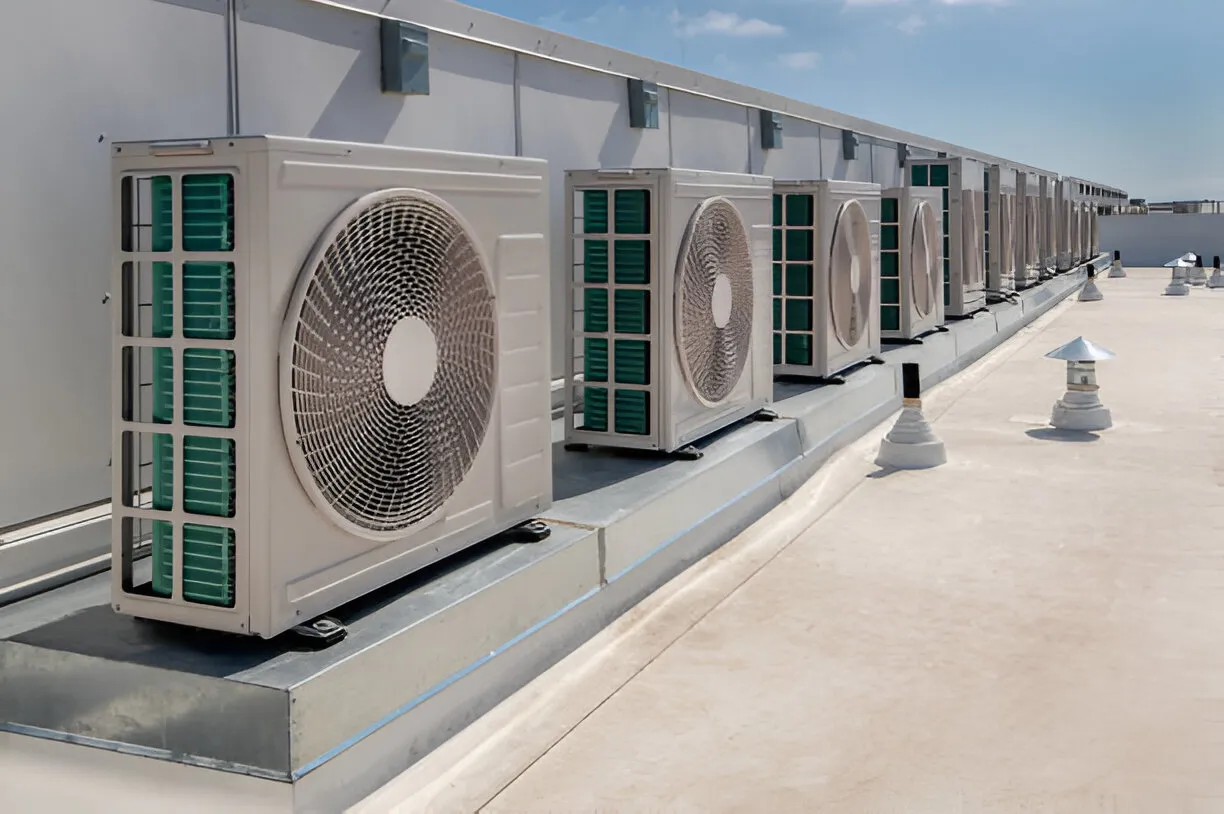
Why tailored HVAC service matters for Powell, OH homes
Powell experiences wide seasonal swings. Summers bring high humidity and peak cooling demand that exposes weak air conditioning systems and undersized ductwork. Winters can drop well below freezing and put older furnaces and heat pumps under heavy strain. Many Powell homes also face seasonal indoor air quality concerns from tree pollen in spring and damp basements in fall that can lead to mold growth. A one-size-fits-all approach to HVAC rarely delivers consistent comfort or efficient operation in this climate. Tailored service ensures systems are sized, installed, maintained, and tuned for Powell conditions — maximizing comfort and minimizing utility costs.
Our core HVAC capabilities
Best Service Heating & Cooling offers a full range of HVAC services for Powell homeowners and property managers:
- Sales and system selection
- Load calculations and equipment sizing
- Comparison of energy efficiency ratings (SEER, EER, AFUE)
- Options for high-efficiency heat pumps, furnaces, central AC, ductless systems
- Diagnostics and system evaluations
- Comprehensive multi-point inspections
- Refrigerant, airflow, electrical, and control system testing
- Indoor air quality and duct performance assessments
- Repairs and component replacement
- Same-day and planned repairs for compressors, motors, controls, heat exchangers, burners, and more
- OEM and quality aftermarket parts
- Transparent repair explanations and documented results
- Complete installations and replacements
- New system design, permitting, and code-compliant installation
- Ductwork modification or replacement, insulation, and balancing
- Commissioning and performance verification
- Preventative maintenance and service plans
- Seasonal tune-ups and safety checks
- Priority scheduling, diagnostic discounts, and inspection reports
- Recommendations to extend equipment life and optimize efficiency
- Indoor air quality and duct services
- Air filtration upgrades, HEPA and MERV filter guidance
- Whole-house humidifiers, dehumidifiers, UV germicidal lights
- Air duct cleaning, sealing, insulation, and airflow balancing
- Financing and estimates
- Free replacement estimates to compare options
- Financing solutions to make high-efficiency upgrades affordable
Each line of service is delivered by trained technicians who follow industry best practices and local codes, and who understand the unique challenges Powell homes face.
Common HVAC problems in Powell, OH and their typical causes
Knowing the most frequent issues helps homeowners make informed repair versus replace decisions. These are the common HVAC problems we see in Powell:
- Air conditioner struggling to meet cooling demand
- Causes: low refrigerant, clogged coils, poor airflow from dirty filters or duct leaks, undersized system for the home
- Why it matters: reduced comfort, higher electric bills, shortened component life
- Heat pump or furnace short-cycling
- Causes: dirty air filter, improper thermostat placement, failing control board, oversized equipment, or airflow restriction
- Why it matters: excessive wear and higher repair frequency
- Weak airflow or uneven temperatures between rooms
- Causes: duct leaks, blocked ducts, improper duct sizing, closed dampers, failing blower motor
- Why it matters: discomfort and inefficiency; some rooms overworked while others are underheated or overcooled
- Strange noises from HVAC equipment
- Causes: loose parts, failing bearings, compressor issues, burner or ignition problems in furnaces
- Why it matters: noise indicates mechanical wear that often precedes failure
- Furnace ignition or heating failure in cold weather
- Causes: dirty flame sensor, faulty ignitor, gas valve issues, blocked vents, or control board problems
- Why it matters: safety concern and loss of heat when it is most critical
- High utility bills without a change in usage
- Causes: declining equipment efficiency, refrigerant leaks, aging equipment, thermostat miscalibration, poor insulation or duct loss
- Why it matters: ongoing cost impact that warrants system evaluation
- Indoor air quality problems: dust, odors, or humidity issues
- Causes: inadequate filtration, duct contaminants, excessive humidity, basement or crawlspace moisture, outdoor pollen infiltration
- Why it matters: health and comfort impacts, especially for allergy sufferers
Understanding these issues and addressing root causes prevents repeated service calls and improves system longevity.
How our diagnostic process works
Accurate diagnosis is the foundation of effective HVAC service. Our technicians follow a standardized diagnostic checklist to identify the underlying problem, not just the symptom:
System history and symptom review
- Document the complaint, when it started, and any recent changes to thermostat settings or home renovations that could affect performance.
Visual and safety inspection
- Check for obvious issues: leak signs, damaged ductwork, rust, burned wires, gas line integrity, and proper venting.
Operational testing
- Measure temperatures, pressures, amperage draw, voltages, and airflow. Inspect refrigerant charge and heat exchanger condition.
Indoor air quality and duct assessment
- Test airflow distribution and look for leaks or blockages. Evaluate filtration and humidity levels.
Load and efficiency assessment for replacements
- If replacement is under consideration, perform Manual J load calculations and determine correct equipment size, efficiency level, and duct requirements.
Clear documentation and options
- Provide a written diagnostic report detailing findings, repair options with pros and cons, and estimated outcomes for replacement paths.
This process minimizes guesswork and ensures recommendations match the real condition of the system and the needs of the home.
Repair philosophy and typical solutions
Repairs are performed with an eye toward long-term value and system reliability. The repair decision is guided by age of equipment, cost of repair relative to replacement, safety considerations, and energy performance.
Common repair solutions include:
- Refrigerant system repairs
- Locate and repair leaks, recover and recharge refrigerant to factory specs, and replace failed components like expansion valves or coils when necessary.
- Electrical and control repairs
- Replace failing capacitors, contactors, relays, and sensors. Correct loose connections and upgrade wiring to meet code.
- Blower and motor service
- Clean and lubricate motors when applicable, replace worn bearings, and calibrate fan speeds for proper airflow.
- Heat exchanger and combustion system service
- Inspect heat exchangers for cracks and perform safe burner and ignition repairs. Address carbon monoxide risk where applicable.
- Duct repairs and sealing
- Seal leaks with mastic or UL-approved tapes, add insulation to unconditioned cavities, and reconfigure dampers to balance airflow.
- Thermostat upgrades and controls
- Replace malfunctioning thermostats or install programmable and smart controls to improve comfort and reduce wasted run time.
When replacement is the better option, installations follow proper sizing, ductwork verification, and commissioning to ensure the new system meets performance expectations.
Replacements and installations: what matters in Powell
When a system reaches the end of its useful life, careful planning ensures the new installation solves past problems and delivers better comfort and efficiency. Key considerations for Powell installations include:
- Proper sizing (Manual J)
- Oversized systems short-cycle and underperform. Accurate load calculation accounts for insulation, windows, occupancy, and local climate.
- Ductwork integrity
- Leaky or undersized ducts can waste 20 percent of conditioned air. Addressing ductwork during installation captures efficiency gains.
- Efficient equipment selection
- Choose equipment with appropriate SEER/AFUE/ HSPF ratings for longer-term energy savings while considering upfront cost and payback.
- Humidity and IAQ strategies
- Powell humidity swings mean controlling moisture is as important as temperature. Whole-house dehumidification or humidification and upgraded filtration should be planned into installations.
- Proper permitting and code compliance
- Local codes and permit requirements ensure safe, inspected installations. Installers should handle permits and follow Ohio and local regulations.
- Performance verification
- Commissioning includes refrigerant charge checks, airflow measurements, and a customer walkthrough to explain system operation and maintenance needs.
A quality installation avoids shortcuts that lead to callbacks and unsatisfactory performance.
Maintenance plans and seasonal care
Regular maintenance is the best way to avoid emergency breakdowns, improve performance, and extend equipment life. A structured maintenance plan typically includes:
- Seasonal tune-ups (spring for cooling, fall for heating)
- Clean coils and burners, inspect electrical connections, check refrigerant charge and airflow, lubricate moving parts.
- Safety and efficiency checks
- Test safety controls, limit switches, and check for carbon monoxide or gas leaks. Confirm efficiency-related settings and adjust for optimal operation.
- Priority service benefits
- Members often receive priority scheduling during peak seasons, documented service history, and diagnostic discounts that reduce long-term costs.
- Filter and component replacement reminders
- Regular filter replacement and timely component swaps prevent airflow restriction and maintain indoor air quality.
- Detailed service reports
- Written checklists show what was inspected and any recommended follow-up work to keep the system at peak reliability.
For Powell homeowners facing high seasonal loads, consistent maintenance can mean better comfort and measurable energy savings.
Indoor air quality and duct services in Powell homes
Indoor air quality is a high priority for many Powell residents because local pollen, seasonal mold risk, and variable humidity can exacerbate allergies and respiratory conditions. Key IAQ services include:
- High-efficiency filtration
- Properly matched filters with recommended MERV ratings reduce airborne particles while avoiding excessive static pressure that harms airflow.
- Whole-house humidifiers and dehumidifiers
- Maintain recommended indoor humidity ranges to prevent mold growth and protect woodwork in older homes.
- UV germicidal lights and air purifiers
- These systems reduce microbial load on coils and in airflow, improving system hygiene and reducing odor sources.
- Duct cleaning and sealing
- Clean ducts remove accumulated dust and biological growth. Sealing ducts reduces energy loss and prevents outdoor contaminants from entering conditioned air.
- Ventilation strategies
- Balanced ventilation and energy recovery ventilators help bring in conditioned fresh air without excessive energy penalty.
Addressing IAQ improves comfort and can reduce symptoms for allergy and asthma sufferers living in Powell’s leafy, seasonal environment.
Emergency response and scheduling routine visits
Emergencies happen, especially during temperature extremes. Best Service Heating & Cooling provides structured options for both routine maintenance and emergency response so households have clear expectations:
- Routine service scheduling
- Routine maintenance visits are scheduled during standard business hours and include seasonal tune-ups tailored to cooling or heating systems.
- Emergency assistance
- Emergency service is available for systems that fail during extreme weather or present safety concerns. Emergency response includes diagnostic triage and prioritized repair to restore safe operation.
- Preparedness and documentation
- Technicians document findings, recommended next steps, estimated lifespans, and any temporary measures taken to restore safe operation.
This structure helps Powell households manage the difference between preventative care and urgent repairs, with an emphasis on restoring safe, reliable operation quickly.
How to evaluate repair versus replacement
Deciding whether to repair or replace is a common question. Use these practical factors as a guide:
- Age of equipment
- Air conditioners older than 10 to 15 years or furnaces older than 15 to 20 years are more likely candidates for replacement.
- Cost of repair versus replacement
- If repair costs approach 50 percent or more of a new system, replacement often makes sense due to efficiency gains and reduced future repair risk.
- Efficiency and performance needs
- New high-efficiency systems can reduce utility bills and better control humidity, which is especially valuable in Powell’s climate.
- Frequency of repairs
- Repeated repairs over a short period indicate an aging system that may be unreliable during peak seasons.
- Safety
- Any issues involving the heat exchanger, gas leaks, or combustion safety should be addressed with replacement if repairs are not definitively safe.
Combining accurate diagnostics with cost and lifespan analysis leads to decisions that preserve comfort and financial sense.
Why homeowners trust Best Service Heating & Cooling
Best Service Heating & Cooling has provided HVAC service in the Columbus region since 1992 and understands local building practices, seasonal demands, and homeowner expectations. Qualities that matter to Powell residents include:
- Experience and professional standards
- Decades of residential HVAC work and adherence to industry best practices.
- Trained technicians
- Technicians are trained to diagnose accurately, explain issues clearly, and perform code-compliant repairs and installations.
- Transparent estimates and documentation
- Free replacement estimates and clear diagnostic reports help homeowners make informed decisions.
- Focus on long-term value
- Emphasis on maintenance, correct sizing, and ductwork integrity to avoid recurring problems and reduce lifecycle costs.
- Indoor air quality expertise
- Knowledge of IAQ solutions suited to Powell’s seasonal pollen and humidity concerns.
These attributes support long-term comfort and reliable system performance for homes across Powell.
Maintenance tips for Powell homeowners
Simple, proactive steps can prevent many common problems and keep systems running efficiently:
- Replace or clean filters regularly
- Monthly checks during high-use seasons; higher-capacity filters may need more frequent inspection.
- Keep outdoor units clear
- Remove debris and maintain clearance around outdoor condensing units for proper airflow.
- Program thermostats sensibly
- Use setback strategies to save energy when the home is unoccupied, while avoiding frequent large temperature swings that increase wear.
- Monitor humidity levels
- Use a hygrometer to keep indoor humidity within recommended ranges, and address basement or crawlspace moisture to prevent mold.
- Schedule seasonal tune-ups
- Regular professional inspections catch small issues before they become major failures, especially ahead of summer and winter peaks.
Following these habits reduces emergency repairs and contributes to consistent comfort.
Hot Deals & Cool Savings

.webp)
New Service Agreement Membership
.webp)
Any New Client Service
Next Service for Referring a New Client
New Service Agreement Membership
Any New Client Service
Next Service for Referring a New Client
.webp)
.webp)

Service Areas
