
Heating Tune-Up in Grandview, OH
Heating Tune Up services in Grandview, OH help your furnace run safely and efficiently. Schedule a tune-up today for comfort and savings.

Heating Tune Up in Grandview, OH
A thorough heating tune up is one of the most cost-effective ways to keep your furnace or boiler running safely and efficiently through Grandview’s cold months. A professional tune up reduces the risk of midwinter breakdowns, lowers energy use, and improves indoor comfort — all important for homes in Grandview Heights and surrounding Columbus neighborhoods where older homes and tight urban lots can make heating performance and indoor air quality especially important.
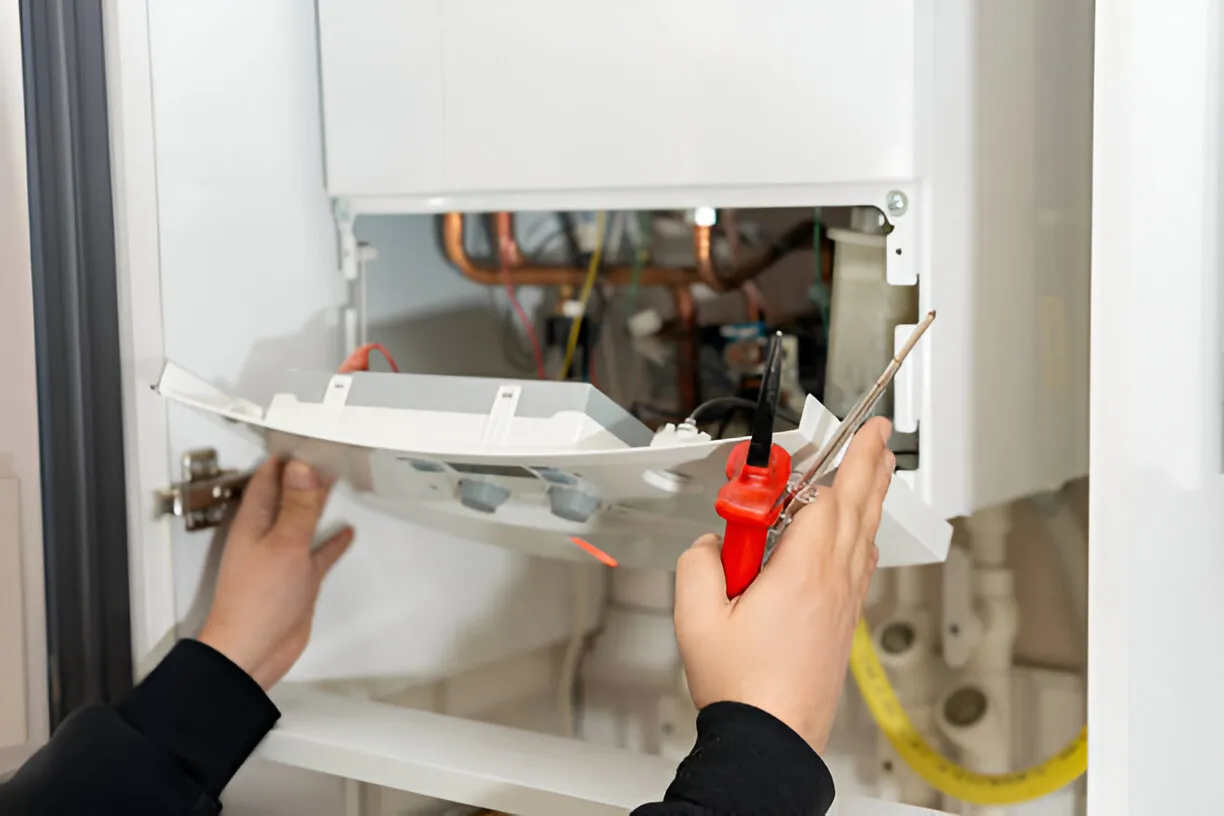
What a complete heating tune up includes
A proper tune up follows a detailed checklist to identify wear, correct inefficiencies, and verify safety systems. Typical items covered during a heating tune up in Grandview, OH include:
- Filter inspection and replacement recommendations (or replacement if included) to restore proper airflow
- Visual inspection of the heat exchanger, burner assembly, and combustion chamber for cracks, corrosion, or soot buildup
- Burner cleaning and adjustment for a steady, efficient flame and correct fuel combustion
- Combustion analysis and CO inspection to verify safe combustion and low carbon monoxide output
- Thermostat calibration and verification of proper temperature sensing and control behavior
- Inspection and testing of safety controls, limit switches, pressure/temperature relief valves (boilers), and flame sensors
- Blower motor and fan examination, lubrication where applicable, and belt checks/tension adjustments
- Airflow measurement and static pressure check to uncover restricted ducts or clogged returns
- Inspection of flue, venting, and exhaust pathways for blockages, draft issues, or corrosion
- Electrical connections check, capacitor and relay tests, and inspection for signs of overheating
- Condensate drain inspection (for high-efficiency systems) and condensate pump check
- Duct visual inspection for major leaks or disconnects and recommendations for sealing or cleaning if needed
- Final system performance test to confirm safe start-up, steady operation, and improved efficiency
Common heating tune-up issues in Grandview homes
Grandview homes experience a mix of older construction and recent renovations. That variety produces recurring issues a tune up commonly uncovers:
- Reduced airflow from dirty filters, closed/blocked vents, or dust-clogged ductwork
- Yellow or sooty burner flames indicating poor combustion or ventilation problems
- Frequent short-cycling caused by improper airflow, incorrect thermostat settings, or failing controls
- Uneven heating between rooms due to duct imbalance, poorly sized systems, or insulation gaps common in older houses
- Noisy operation from worn bearings, unbalanced fans, or loose panels—especially in compact mechanical closets
- Corroded flue components or blocked vents in tight-lot, tree-lined areas where debris can collect
- Elevated energy bills tied to inefficient burners, failing motors, or aging heat exchangers
How a technician diagnoses and tests your system
A methodical diagnostic process separates a tune up from a quick check. Typical diagnostics performed during a professional tune up:
- Review system age, service history, and homeowner concerns to prioritize checks.
- Conduct a thorough visual inspection of accessible components and safety devices.
- Measure combustion gases, CO levels, and flue temperatures to ensure correct combustion chemistry and safe venting.
- Test electrical loads, capacitor performance, and motor amperage to catch failing components before they lock up.
- Measure airflow at registers and static pressure in the system to detect restrictions or duct leakage.
- Calibrate the thermostat and test control sequences (start, run, safety shutdowns).
- Run a performance trial to compare pre- and post-service operation and verify the system meets manufacturer safety and efficiency ranges.
These tests give clear data that both identifies current problems and predicts near-term failures.
Typical repairs and solutions identified by tune-ups
A tune up often leads to small repairs that prevent larger, costly failures later. Common follow-up repairs include:
- Replacing or upgrading air filters and disposable media
- Cleaning burners and adjusting gas pressures for optimal combustion
- Replacing failing igniters, flame sensors, or control boards that cause intermittent operation
- Repairing or sealing ductwork to restore balanced airflow and reduce energy loss
- Lubricating or replacing blower motors and belts to reduce noise and restore airflow
- Repairing minor flue damage or correcting venting defects to ensure safe exhaust
- Recommending system replacement when heat exchanger cracks, repeated compressor or major component failures, or age make repair uneconomical
When repairs are completed promptly after a tune up, homeowners avoid emergency service calls and maintain reliable heat throughout the cold season.
Recommended frequency for tune-ups in Grandview, OH
For most Grandview homes, an annual tune up performed in the fall before the heating season is the best schedule. Benefits of a fall tune up include catching issues before heavy use and ensuring efficient operation during the coldest months. Specific systems or conditions may warrant adjusted schedules:
- High-use or older systems: consider semiannual checks (fall and midwinter)
- Boilers and hydronic systems: annual inspection plus midseason checks if radiators/loops show imbalance
- Heat pumps and ductless systems: fall and spring inspections to cover both heating and cooling seasons
Regular yearly maintenance preserves efficiency, prolongs equipment life, and often keeps warranty requirements in good standing.
How tune-ups reduce energy bills and prevent breakdowns
A tune up improves efficiency through cleaner burners, proper airflow, and correct control operation. Even modest efficiency improvements translate to measurable savings over a winter season in Grandview’s chilly climate. Preventative maintenance also uncovers failing parts—replacing a worn motor or borderline control during a tune up prevents emergency replacement on the coldest day, when costs and inconvenience are highest.
Beyond cost, tune-ups protect safety by identifying combustion or venting problems and ensuring carbon monoxide levels remain safe for occupants.
Simple maintenance between professional visits
You can extend the benefits of a professional tune up with a few homeowner tasks:
- Replace disposable filters every 1–3 months or as recommended for your home and pets
- Keep return vents and registers free from furniture and drapes to maintain airflow
- Test carbon monoxide and smoke detectors regularly and replace batteries as needed
- Maintain clear access to the furnace or boiler area and keep external vents free of snow and debris
- Program thermostats for gradual temperature setbacks rather than rapid changes that stress equipment
A combination of professional tune ups and attentive home maintenance keeps heating systems reliable, efficient, and safe throughout Grandview’s winters.
Hot Deals & Cool Savings

.webp)
New Service Agreement Membership
.webp)
Any New Client Service
Next Service for Referring a New Client
New Service Agreement Membership
Any New Client Service
Next Service for Referring a New Client
.webp)
.webp)

Service Areas
