
Heating Replacement in Grandview, OH
Heating replacement in Grandview, OH: evaluate options, install high-efficiency systems, and save energy. Learn more about rebates.

Heating Replacement in Grandview, OH
Replacing a heating system is a major decision for Grandview, OH homeowners. Winters in central Ohio can be long and unforgiving, and older furnaces or boilers that struggle to maintain consistent indoor temperatures raise energy bills and risk midseason failure.
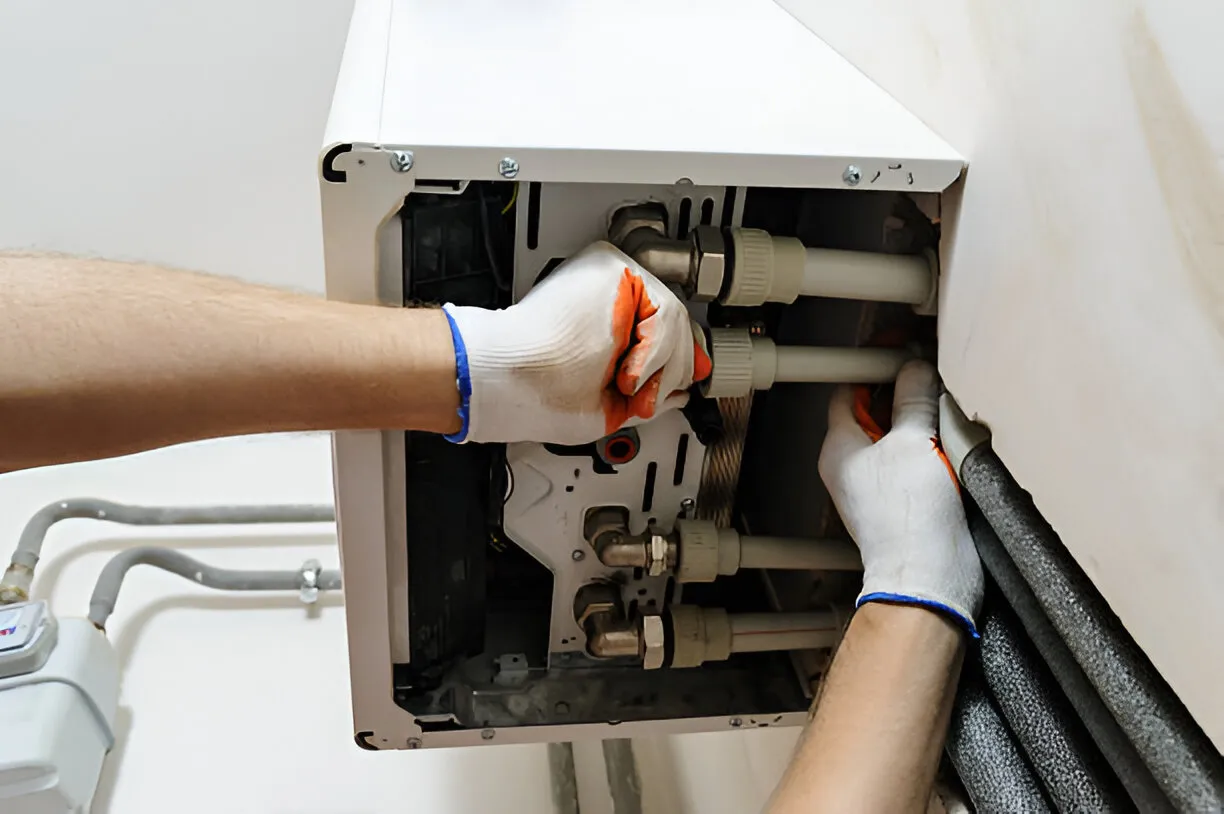
When replacement is recommended versus repair
Choose replacement over repair when one or more of the following apply:
- The system is nearing or past its expected service life (commonly 15–20 years for furnaces and boilers).
- Repairs are frequent or the cost of a single repair is a large fraction of replacement value.
- The unit cannot maintain even temperatures or runs constantly, indicating lost efficiency.
- Safety concerns arise (e.g., cracked heat exchanger, repeated pilot/flame failures).
- Your home’s comfort needs have changed (finished basement, added living space, or upgraded insulation) and the current system is undersized.
- You want modern efficiency, lower operating costs, or to switch fuels (natural gas to heat pump or vice versa).
In Grandview, many homes are older and may have undersized ductwork, tight mechanical closets, or historic constraints. Those local conditions often make replacement a smarter long-term investment than repeated patch repairs.
Common heating replacement scenarios in Grandview, OH
- Old gas furnace to high-efficiency furnace upgrade: Improves AFUE, steadies heat, lowers gas bills.
- Furnace or boiler beyond repair: Frequent breakdowns or safety-related failures motivate full replacement.
- Switching to electric heat pump: Attractive in many Columbus-area homes for combined heating and cooling with high efficiency, especially when paired with supplemental systems for cold snaps.
- Hydronic boiler replacement: Older cast-iron boilers replaced with modern condensing boilers improve efficiency and zone control.
- Ductwork or distribution upgrades: Replacing the heater often reveals poor ducts that should be sealed, insulated, or resized for optimum performance.
The replacement process: what to expect
- System evaluation
- A licensed technician inspects existing equipment, measures load requirements for your home (heat loss calculation), evaluates ductwork or distribution piping, and reviews fuel supply, venting, and mechanical clearances. This diagnostic step determines what size and type of system will provide efficient, reliable comfort in a Grandview home.
2. Equipment selection
- Equipment is chosen based on your home’s load, installation constraints (tight basements, compact mechanical rooms common in Grandview), fuel availability, and comfort goals. Options include high-efficiency gas furnaces, condensing boilers, ductless or ducted heat pumps, and hybrid systems. Preferences for indoor air quality, zoning, and integration with existing thermostats are considered.
3. Removal of the old unit
- Old equipment is disconnected, safely removed, and prepared for responsible disposal. If ductwork, gas lines, condensate drains, or venting must be modified or upgraded, this is coordinated during removal to avoid surprises.
4. Installation of the new unit
- New equipment is installed per manufacturer and code requirements: proper venting, combustion air, electrical hookups, refrigerant handling (if applicable), and secure mounting. Technicians perform start-up procedures, calibrate controls, test safety systems, and ensure even temperature distribution. Final walkthrough explains system operation and maintenance basics.
Expected costs and energy savings (what affects cost)
Cost is driven by factors rather than a fixed price: system type and efficiency level, the complexity of installation in older Grandview homes, ductwork or piping upgrades, required permits, removal/disposal needs, and any electrical or gas service changes. A straight like-for-like replacement in a straightforward space is less complex than installing a different technology or reconfiguring ductwork in a compact mechanical closet.
Energy savings are measurable and meaningful:
- Replacing a 15–20 year old furnace with a modern high-efficiency condensing furnace or heat pump typically reduces annual heating energy use substantially. Many homeowners see noticeable reductions in fuel consumption and monthly bills.
- Upgrading to properly sized equipment and sealing/insulating ducts enhances comfort and reduces wasted heat, often providing the best combined comfort and efficiency gains.
Payback depends on how much the older system underperformed, local fuel prices, and how long you plan to stay in the home. In Grandview, where winters are cold and heating use is significant, efficiency improvements often translate into quicker operational savings.
Rebates and financing options available in the Columbus/Grandview area
Homeowners replacing heating equipment should explore available incentives:
- Federal energy tax credits and incentives for qualifying high-efficiency heat pumps and energy-efficient systems.
- Utility rebate programs through local providers that occasionally offer incentives for high-efficiency equipment or weatherization measures (insulation, duct sealing).
- Manufacturer rebates tied to specific equipment models and ENERGY STAR certifications.
- Financing options commonly include equipment financing, home improvement loans, and energy-efficiency loan programs that spread the cost over time.
Check eligibility and program requirements before purchase so installations meet rebate rules (e.g., professional installation, qualifying models, and documentation).
Post-installation support and warranties
Reliable post-installation support preserves your investment:
- Manufacturer warranties cover parts for specified periods; many high-efficiency units include extended parts warranties when registered.
- Labor warranties on installation work vary; confirm the scope and duration before purchase.
- Preventive maintenance plans (annual tune-ups) extend equipment life, maintain efficiency, and often include priority service benefits and service discounts. Regular maintenance is especially important in Grandview where seasonal temperature swings increase system workload.
- After-installation documentation should include operation manuals, warranty information, and maintenance recommendations.
Why timely replacement matters for Grandview homeowners
Prompt replacement can avoid emergency breakdowns on the coldest nights, improve indoor comfort in older homes with uneven heating, and reduce both carbon footprint and operating costs. Properly sized, modern equipment paired with sealed ducts or updated distribution systems delivers quieter operation, consistent temperatures across rooms, and better humidity control through the year.
Final note on maintenance: schedule annual inspections and filter changes, keep vents unobstructed, and address minor issues before they escalate. Well-maintained systems last longer and retain efficiency gains from a replacement for many years.
Hot Deals & Cool Savings

.webp)
New Service Agreement Membership
.webp)
Any New Client Service
Next Service for Referring a New Client
New Service Agreement Membership
Any New Client Service
Next Service for Referring a New Client
.webp)
.webp)

Service Areas
