
Heating Service in Canal Winchester, OH
Heating service in Canal Winchester, OH cares for diagnostics, repairs, and system optimization. Learn more about scheduling, warranties, and financing options.

Heating Service in Canal Winchester, OH
Keeping your home warm, safe, and efficient through Canal Winchester winters requires heating service that diagnoses problems quickly, fixes them correctly, and helps you decide when repair or replacement is the smarter choice.
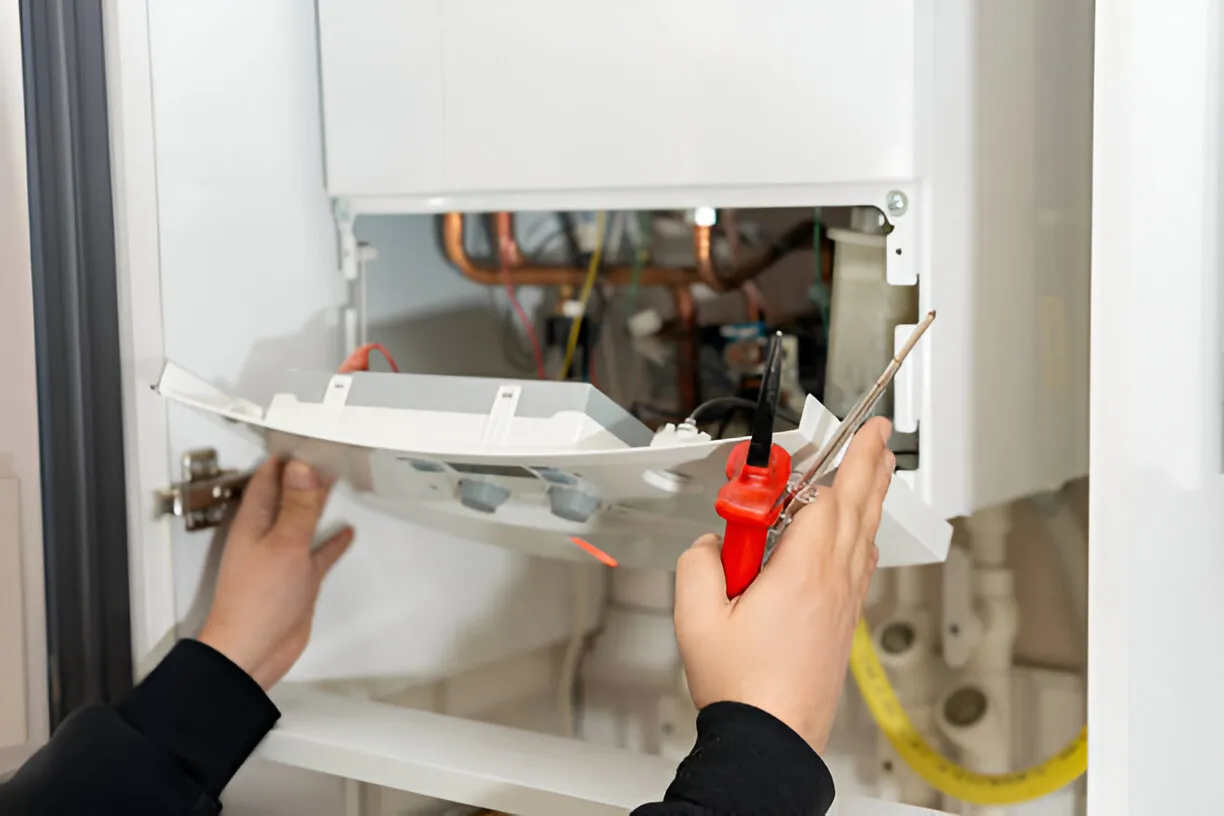
Why timely heating service matters in Canal Winchester, OH
Canal Winchester experiences cold, snowy winters and wide seasonal temperature swings. Older homes in the area and those with attic or basement equipment can face unique stresses on furnaces, boilers, and heat pumps. Neglected systems run longer, use more fuel, and are more likely to fail on the coldest nights. Prompt service preserves comfort, reduces utility bills, and prevents safety hazards like carbon monoxide leaks.
Common heating problems in Canal Winchester homes
- No heat or intermittent heating — failed ignition, pilot problems (older furnaces), or control board faults.
- Uneven heating or cold rooms — airflow restrictions, duct leaks, undersized system, or failing zone valves.
- Frequent cycling or short cycling — clogged air filters, improper thermostat settings, or failing flame sensors.
- Unusual noises — worn bearings in blower motors, loose belts, or sediment in boilers.
- High energy bills — aging equipment, low efficiency, dirty heat exchangers, or poor insulation interacting with the system.
- Safety concerns — cracked heat exchanger, blocked vents, or failed carbon monoxide detectors.
Types of heating systems serviced
- Furnaces (gas, electric, propane)
- Boilers (hot water and steam)
- Heat pumps and ductless mini-split heat pumps
- Hybrid systems and whole-home solutions
- Controls, thermostats, and zoning systems
Diagnostic process: what a thorough inspection includes
A reliable heating diagnostic follows a consistent, documented process to find root causes rather than treat symptoms.
- Initial interview — technician asks about symptoms, recent changes, and the timing of the issue.
- Visual and safety checks — inspection of burners, heat exchanger, venting, flue, and combustion area for corrosion, cracks, or blockages.
- Operational testing — startup sequence, ignition stability, thermostat calibration, and fuel/air ratio checks.
- Electrical and component tests — blower motor, capacitors, limit switches, and control boards are tested for proper operation.
- Airflow and distribution checks — filter condition, duct leakage signs, and return/supply airflow balance.
- Combustion and CO testing — measurement of carbon monoxide and combustion efficiency when applicable.
- Report and estimate — technician explains findings, shows evidence (photos or readings when appropriate), and provides repair and replacement options.
Emergency vs routine repair
- Emergency repairs address safety risks or complete system failure in freezing conditions. These focus on restoring heat and minimizing hazard.
- Routine repairs handle efficiency losses, minor component failures, and preventive fixes to avoid emergencies later.
Both approaches include clear documentation of work completed, parts used, and next-step recommendations.
Repair vs replacement: practical guidance
Consider these objective factors when deciding:
- System age: Furnaces older than 15 years or boilers older than 20 years often justify replacement for efficiency and reliability.
- Repair frequency: Multiple visits in a single season or repeated failures indicate replacement may be more cost-effective.
- Repair cost vs system value: If a repair approaches 30-50% of the cost of a new system, replacement is generally recommended.
- Energy efficiency goals: New high-efficiency units lower fuel bills and may qualify for rebates or incentives.
- Safety: Any heat exchanger crack, major venting failure, or recurring carbon monoxide readings favor replacement.
Technicians typically provide a side-by-side comparison of long-term operating costs, life expectancy, and estimated payback so you can make an informed decision.
Typical repairs and optimization services
- Ignition and control board replacement
- Heat exchanger and burner cleaning
- Blower motor and belt service
- Gas valve and pressure adjustments
- Thermostat replacement and smart control integration
- Duct sealing and airflow balancing
- Boiler flushing, pressure checks, and zone valve repairs
- Heat pump refrigerant checks and reversing valve maintenance
Safety checks and code considerations
Every major heating service includes checks for:
- Carbon monoxide levels and detector placement
- Proper combustion and venting clearances
- Gas leak inspection and shutoff functionality
- Electrical safety and proper grounding
- Compliance with local building codes and manufacturer safety guidelines
Technicians document safety findings and recommend immediate action for any hazardous conditions.
Technician qualifications and standards
Expect technicians to be:
- Licensed and insured to perform HVAC and gas work in Ohio
- Trained in combustion analysis, electrical diagnostics, and manufacturer-specific procedures
- Background checked and professional in-home representatives
- Equipped with industry-standard tools: combustion analyzers, multimeters, manometers, and refrigerant recovery equipment (for heat pumps)
Technicians should explain findings in plain language, show test results, and provide written estimates before any major work.
Pricing, estimates, warranties, and financing
- Estimates: After diagnostics, homeowners receive a detailed written estimate outlining parts, labor, and projected timelines. Many providers offer free or low-cost diagnostic visits that are applied toward repair if approved.
- Warranties: Parts and labor warranties vary by manufacturer and installer. Typical labor warranties cover 90 days to 1 year, while major components may carry longer manufacturer warranties. Ask for warranty terms in writing.
- Financing: Flexible financing options are commonly available for larger replacements and can be structured to spread payments over months or years. Documentation typically outlines interest rates, terms, and any promotional financing periods.
What to expect when scheduling service
When you arrange heating service, the typical steps are:
- Provide basic information about your system, symptoms, and availability.
- Receive an appointment window and arrival expectations.
- Technician arrives, completes diagnostics, and reviews findings with you.
- Receive a written estimate with repair options and timelines.
- Approve the work to proceed or schedule follow-up for replacement/installation.
- After service, technicians test the system, document work, and leave warranty information and maintenance recommendations.
Emergency response options are usually available outside of regular hours for no-heat or safety-related situations.
Maintenance advice to extend system life
- Replace filters every 1-3 months depending on use and filter type.
- Schedule annual tune-ups: fall for furnaces and boilers, spring for heat pumps.
- Keep vents and registers clear and maintain proper combustion air pathways.
- Install or test carbon monoxide detectors on every level with fuel-burning appliances.
- Consider a maintenance plan that includes priority service, seasonal tune-ups, and discounts on repairs.
Regular inspections and early repairs are the most cost-effective way to keep Canal Winchester homes comfortable and safe throughout the heating season.
Hot Deals & Cool Savings

.webp)
New Service Agreement Membership
.webp)
Any New Client Service
Next Service for Referring a New Client
New Service Agreement Membership
Any New Client Service
Next Service for Referring a New Client
.webp)
.webp)

Service Areas
