
Heating Installation in Canal Winchester, OH
Heating installation in Canal Winchester, OH with precise sizing and energy efficiency. Learn more about our process and financing options.

Heating Installation in Canal Winchester, OH
Replacing or installing a new heating system in Canal Winchester, OH is one of the most impactful home upgrades you can make. With cold Ohio winters, humidity in transitional seasons, and a mix of historic and newer construction across the city, the right heating installation improves comfort, reduces energy bills, and prevents early equipment failure.
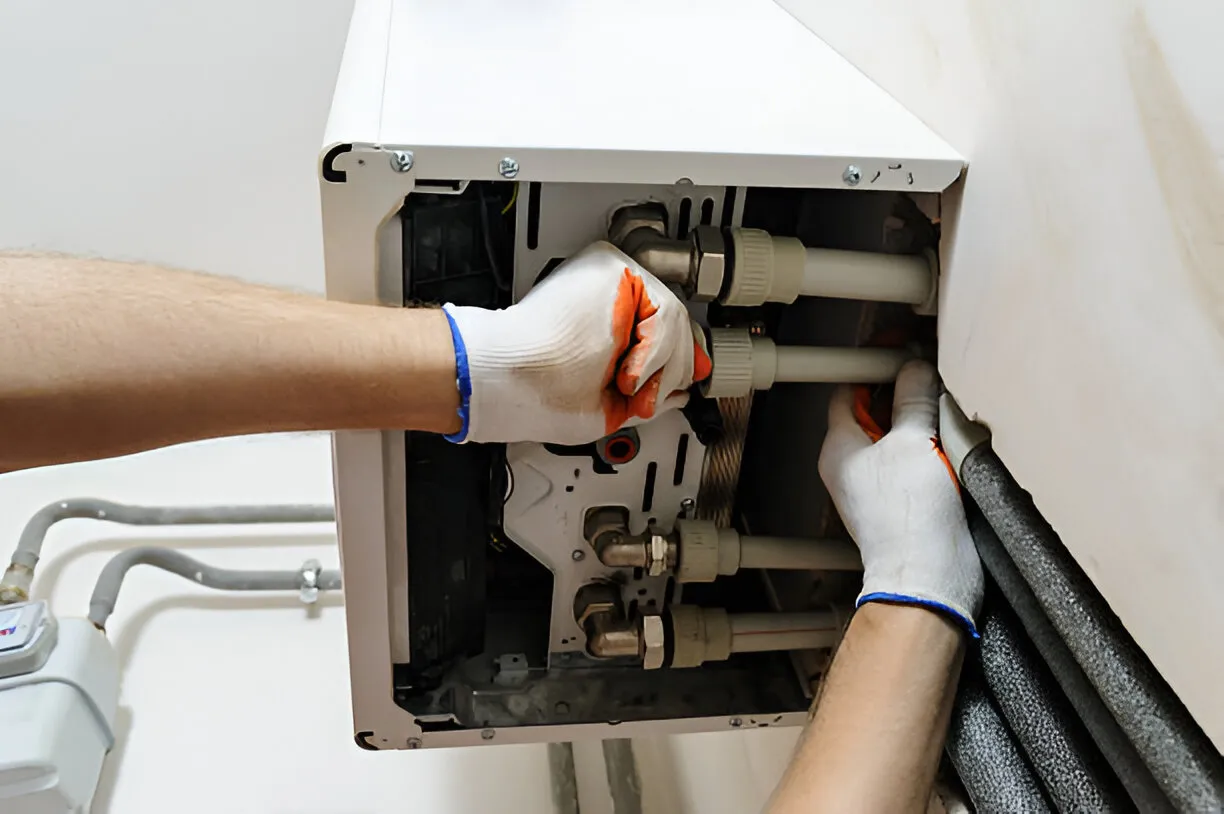
Why a proper heating installation matters in Canal Winchester
Canal Winchester experiences cold, snowy winters and temperature swings that place extra demand on heating systems. Homes in the older downtown and surrounding neighborhoods often have unique duct layouts or less insulation, while newer subdivisions may still have undersized systems from original construction. An improperly sized or poorly installed system can lead to uneven heat, high utility bills, and premature wear. A professional installation tailored to your home and local conditions prevents these problems.
Common heating issues in Canal Winchester homes
- Aging equipment: Furnaces older than 15 to 20 years are common and often lose efficiency and reliability.
- Undersized or oversized systems: Both lead to poor comfort and inefficiency. Oversized units short-cycle; undersized units struggle on the coldest days.
- Ductwork problems: Leaks, poor insulation, or improper sizing reduce delivery and waste energy.
- Fuel-source mismatches: Some homes still use older natural gas furnaces where a modern heat pump may deliver lower operating costs.
- Ventilation and combustion safety: Older chimneys, venting, or lack of proper combustion air can be a concern in historic Canal Winchester properties.
Types of systems to consider
- High-efficiency gas furnace: Reliable for Ohio winters; choose high AFUE (annual fuel utilization efficiency) ratings for lower fuel use.
- Air-source heat pump (including cold-climate models): Increasingly viable even in cold climates; efficient and can provide both heating and cooling.
- Ductless mini-split heat pump: Good for additions, historic homes without ducts, or zone heating.
- Boilers: Hydronic heating remains common in some older homes and can be efficient when paired with modern controls.
Each system type has trade-offs in initial cost, operating cost, and suitability for your home layout.
Home load assessment and equipment sizing
A professional installation begins with a thorough home load assessment (Manual J). This evaluation measures:
- Square footage by conditioned space
- Insulation levels, window types, and air infiltration
- Orientation and local shading
- Number of occupants and typical thermostat settings
- Existing ductwork size and conditionFrom the load assessment, technicians perform precise equipment sizing to match capacity to your home’s needs. Proper sizing prevents short-cycling, improves humidity control, and extends equipment life.
Ductwork and distribution (Manual D) considerations
If your home has ducts, the installation should include a duct evaluation and, when necessary, a redesign or repairs. Tasks commonly performed:
- Airflow testing and static pressure measurement
- Sealing and insulating leaky ducts, especially in unconditioned crawlspaces or attics
- Balancing dampers or resizing runs to correct cold or hot spots
- Adding return paths or zoning to improve comfortIn many Canal Winchester homes, duct upgrades are essential to realize the full efficiency gains of a new furnace or heat pump.
Energy-efficiency options and controls
- High AFUE furnaces and high HSPF/SEER heat pumps reduce fuel and electric use.
- Variable-speed blowers and modulating gas valves deliver steadier temperatures and better dehumidification.
- Smart, programmable thermostats with zoning capability increase comfort and lower bills.
- Proper refrigerant charge and matched indoor/outdoor components maximize heat pump performance during cold snaps common to central Ohio.
Permits, inspections, and code compliance in Canal Winchester
Installations must comply with local and state codes. Typical steps include:
- Obtaining building and mechanical permits required by Franklin County and Canal Winchester jurisdictions
- Following fuel gas, combustion, venting, and electrical code standards
- Scheduling inspections for gas piping, combustion safety, and final mechanical inspectionEnsuring permits and inspections are handled correctly protects safety, preserves warranty eligibility, and avoids issues when selling the home.
Typical installation timeline
- Initial consultation and load assessment: 1 visit (1 to 2 hours)
- System selection and permit filing: 2 to 7 days (depends on permit turnaround)
- Installation day(s):
- Simple furnace replacement (same location, existing ductwork): commonly 1 day.
- Furnace plus modest duct repairs or thermostat upgrade: 1 to 2 days.
- Full system swap, heat pump installation, or major duct redesign: 2 to 4 days.
- Post-install testing and final inspection: same day as completion or within 24-48 hours.Weather, permit processing, and parts availability can affect the timeline, especially during seasonal peaks.
Warranty, start-up, and post-install testing
A professional heating installation includes documented warranty information and a thorough start-up procedure:
- Manufacturer’s equipment warranty and installer workmanship warranty details provided in writing
- Combustion analysis for gas appliances to check efficiency and safety
- Refrigerant charge verification and superheat/subcooling checks for heat pumps
- Airflow measurements, static pressures, and thermostat calibration
- Customer briefing on operation, maintenance schedules, and filter typeThese steps confirm the system is operating safely, efficiently, and as intended for Canal Winchester climate demands.
Financing and rebates commonly available
Homeowners in Canal Winchester often qualify for programs that reduce upfront cost or operating expenses:
- Federal tax credits and efficiency incentives for qualifying heat pumps and high-efficiency systems (programs vary over time and by equipment)
- Utility rebates from regional providers for high-efficiency furnaces, heat pumps, and duct sealing or insulation improvements
- Local and state rebate or weatherization programs for income-qualified households
- Contractor-offered financing options with fixed terms for equipment and installationEligibility depends on equipment make/model, installation specifics, and program rules. Documentation such as invoices and efficiency ratings is typically required for rebate claims.
Long-term benefits and maintenance
A properly executed heating installation tailored to Canal Winchester homes delivers:
- More consistent comfort during severe cold spells
- Lower monthly energy bills and improved system longevity
- Better indoor air quality with proper filtration and balanced airflow
- Increased home value and compliance with safety standardsRegular maintenance, seasonal tune-ups, and replacing filters at recommended intervals protect performance and warranties.
Hot Deals & Cool Savings

.webp)
New Service Agreement Membership
.webp)
Any New Client Service
Next Service for Referring a New Client
New Service Agreement Membership
Any New Client Service
Next Service for Referring a New Client
.webp)
.webp)

Service Areas
