Heating Service in Brice, OH
Heating service in Brice, OH diagnosing and repairing furnaces, boilers, and heat pumps. Learn more and schedule today.

Heating Service in Brice, OH
Keeping your home warm, safe, and efficient through Brice winters requires dependable heating service tailored to Ohio’s cold, damp climate. Whether you have a gas furnace, boiler, heat pump, or ductless system, comprehensive heating service in Brice, OH covers diagnosis, routine repairs, emergency response, safety checks, parts replacement, warranty protection, and easy enrollment in a maintenance plan.
Why local heating service matters in Brice, OH
Brice is part of the Columbus metro area and experiences freezing temperatures, heavy snow some winters, and wide temperature swings in shoulder seasons. These local factors increase demand on heating systems and can accelerate wear on components like ignitors, motors, and seals. Local technicians understand how Ohio weather affects system performance and know which solutions extend equipment life while maintaining efficiency for area homes.
Common heating systems in Brice homes
- Gas furnaces — Most common in central Ohio; efficient but sensitive to airflow and combustion issues.
- Boilers — Popular in older homes or radiators; require water system checks and corrosion control.
- Heat pumps & ductless split heat pumps — Offer heating and cooling; performance varies in very cold weather without supplemental heat.
- Hybrid systems — Combines heat pump with furnace for efficiency across seasons.
Common heating problems and indicators in Brice, OH
Recognizing early warning signs helps avoid emergency failures. Typical indicators include:
- Uneven home temperatures or cold spots
- Frequent cycling on and off (short-cycling)
- Strange noises: rattling, banging, or high-pitched squeals
- Reduced airflow from vents or weak radiator heat
- Yellow or flickering pilot flame (possible combustion issue)
- Rising energy bills without a change in use
- Unusual odors (burning, musty, or rotten eggs)
- Visible rust, leaks, or water around boilers and furnaces
Some indicators, like a yellow pilot flame or the smell of gas, can signal safety risks. Prompt professional assessment is essential.
Diagnostic process and safety checks
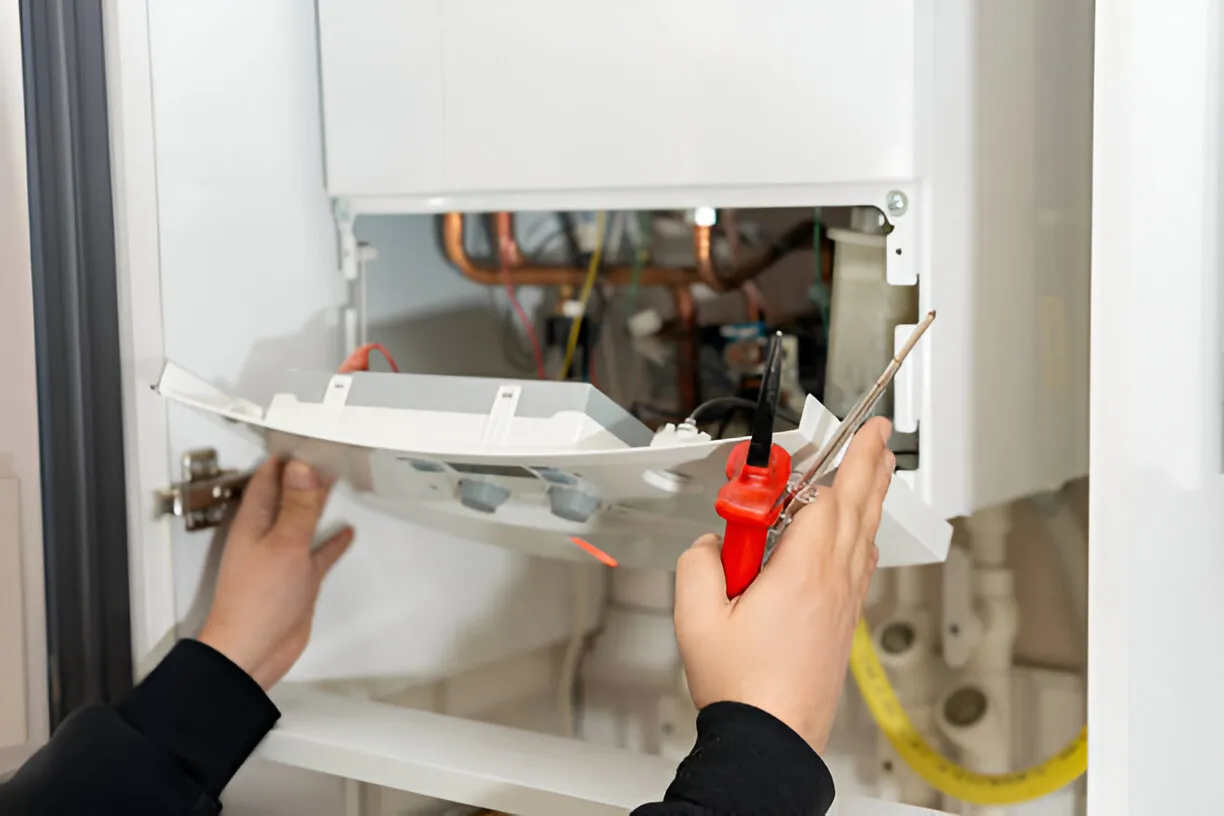
A thorough diagnostic is the foundation of reliable repairs. Expect a qualified technician to:
- Review system history and symptoms you’ve observed.
- Perform visual and operational checks: thermostat operation, control board, ignition system, blower motor, belts, and safety interlocks.
- Measure combustion and venting for gas systems, including flue draft and carbon monoxide risk.
- Check electrical connections, capacitor and transformer health, and limit switches.
- Inspect ducts or piping for leaks, blockages, or insulation issues.
- Test system refrigerant pressures on heat pumps and check reversing valves.
- Provide a clear explanation of findings and recommended solutions.
Technicians prioritize safety checks—especially combustion analysis and carbon monoxide testing—before recommending further work.
Repairs, parts replacement, and common fixes
Typical service tasks performed during a heating visit:
- Cleaning or replacing air filters and burner assemblies
- Replacing faulty ignitors, flame sensors, or thermostats
- Repairing or changing blower motors, belts, and bearings
- Fixing or replacing heat exchangers, circulator pumps, valves, or zone controls on boilers
- Sealing or repairing duct leaks and insulation gaps
- Recharging refrigerant or repairing minor leaks on heat pumps (with environmental regulations observed)
- Replacing safety controls, pressure switches, and limit switches
Quality parts and correct installation reduce repeat breakdowns and maintain efficiency.
Emergency call-outs and response expectations
Emergencies happen overnight or during extreme cold. Local heating services typically provide emergency call-outs for:
- Complete system failure in freezing conditions
- Suspected gas leaks or carbon monoxide alarms
- Major water leaks from boilers or piping
Emergency response will prioritize safety: technicians may perform temporary measures to restore heat safely and schedule more extensive repairs when conditions allow.
Flat-rate vs diagnostic pricing explained
Understanding pricing helps set expectations:
- Diagnostic fee: A charge to evaluate the system, run safety tests, and produce a repair estimate. The diagnostic process identifies root causes and allows accurate parts and labor quotes.
- Flat-rate pricing: A set price for common repairs or replacements (for example, replacing a specific part). Flat rates provide predictable costs and transparent scope of work.
Many providers apply the diagnostic fee toward the repair cost if you proceed with the recommended service. Ask about how parts warranties and labor guarantees are applied to either pricing model before work begins.
Service warranties and guarantees
A professional heating service will typically offer:
- Parts warranties — Manufacturer or installer-backed coverage for replaced components.
- Labor guarantees — A stated period during which repairs are re-serviced at no additional labor cost if the same issue recurs.
- Maintenance plan benefits — Priority scheduling, discounted repairs, and preventive tune-ups that can extend warranty eligibility and system life.
Confirm the length and coverage details for both parts and labor and whether routine maintenance is required to maintain warranty validity.
Maintenance plans and enrollment basics
A maintenance plan is the most cost-effective way to prevent midwinter failures in Brice homes. Standard plan features often include:
- Annual or biannual system inspections and tune-ups
- Priority scheduling during peak seasons
- Discounts on parts and labor for covered systems
- Safety and efficiency checks to lower utility costs and extend equipment life
Enrollment typically involves selecting a service level, scheduling initial inspection visits, and providing account information so a local technician can access service history. Maintenance agreements make winter reliability more predictable in a climate prone to sudden cold snaps.
Final considerations and homeowner tips
- Change filters regularly and keep vents and returns clear of obstructions.
- Keep outdoor equipment free of snow, ice, and debris during winter.
- Note the age of your system; furnaces and boilers older than 15–20 years may be near end of useful life.
- Track odd noises, smells, and performance changes and have them diagnosed early to avoid costly emergency repairs.
- Choose a provider that documents findings and provides written estimates, warranty details, and a clear explanation of repair options.
Investing in professional, local heating service in Brice, OH protects comfort and safety for your home, reduces unexpected breakdowns, and helps manage energy costs throughout Ohio’s cold season.
Hot Deals & Cool Savings

.webp)
New Service Agreement Membership
.webp)
Any New Client Service
Next Service for Referring a New Client
New Service Agreement Membership
Any New Client Service
Next Service for Referring a New Client
.webp)
.webp)
Service Areas