Furnace Installation in Brice, OH
Furnace installation experts in Brice, OH deliver precise load calculations, safe venting, and full commissioning. Learn more and schedule your installation today.

Furnace Installation in Brice, OH
Replacing or installing a new furnace is one of the most important upgrades a homeowner can make for winter comfort, energy savings, and safety. In Brice, OH, where winters bring sustained cold and Central Ohio humidity affects indoor comfort, the right furnace installation tailored to your home makes the difference between uneven heating and consistent, efficient warmth.
Why a proper furnace installation matters in Brice, OH
- Brice experiences cold winters and periods of temperature swing. A correctly sized, well-installed furnace keeps living spaces comfortable without wasting energy.
- Older homes in the area may have leaky ducts, varied ceiling heights, or mixed insulation levels. Those factors change heating loads and require careful planning.
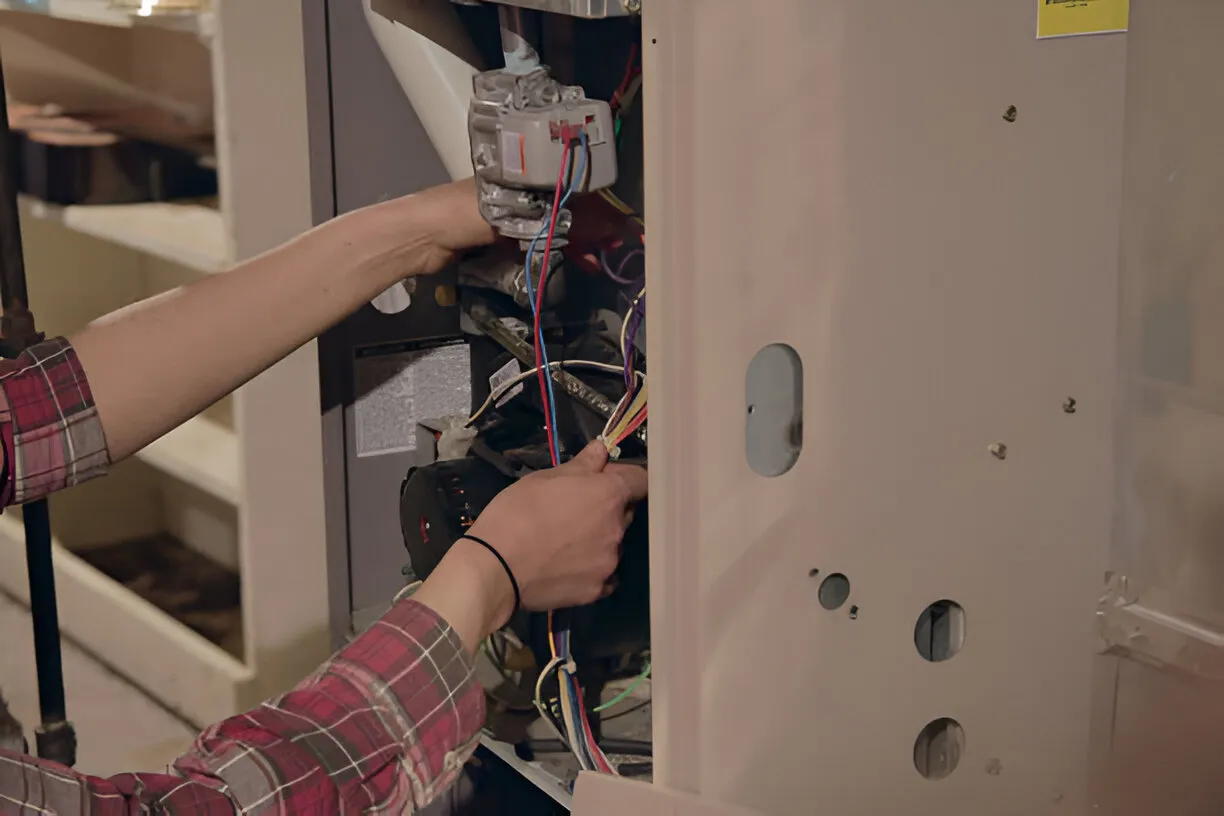
- Improper installation is the leading cause of early system failure, high energy bills, and safety risks like carbon monoxide leaks. Correct installation protects comfort, efficiency, and safety.
Common furnace replacement reasons in Brice, OH
- Repeated breakdowns or costly repairs on a unit older than 12 to 15 years
- Rising utility bills despite regular service
- Uneven temperatures, cold spots, or insufficient heating on the coldest days
- Safety concerns such as frequent pilot/light issues or CO detector alerts
- Desire to upgrade to high efficiency models to reduce winter energy use
Pre-installation consultation: what will be evaluated
A thorough pre-install consultation collects the details necessary for a safe, efficient install:
- Home inspection: measurement of conditioned space, ceiling heights, insulation, window types, and number of occupants
- Review of existing ductwork, venting, and furnace location
- Discussion of fuel type preference: natural gas, propane, or electric options
- Assessment of thermostat type and any zoning or smart controls desired
- Overview of local code and permit requirements affecting Brice and Franklin County
Load calculation and proper sizing
A professional furnace installation always begins with a load calculation:
- Manual J calculation estimates heating needs based on the home specifics listed above
- Manual D is used to size and design ductwork when modifications are required
- Correct sizing avoids common problems: oversized units short cycle causing humidity and wear, undersized units running constantly and failing to reach setpoint
- Sizing also accounts for local climate patterns in Central Ohio so the unit meets worst-case winter demands without wasting energy during milder periods
The installation process and typical timeline
A clear process helps homeowners know what to expect:
- Preparation and permit coordination - permit pulled if required by local code
- Old equipment removal - safe disconnect of gas, electrical, and venting
- Rough-in and duct modifications - any necessary duct transitions, returns, or clearances set
- Furnace placement and connection - secure mounting, gas piping, electrical hookup, and venting
- System start-up and initial balancing - power on, gas ignition, airflow checks
- Final testing and homeowner walkthrough
Typical timeline
- Most single-family home furnace installs are completed in one day when no major ductwork changes are needed. If significant ductwork, venting upgrades, or structural access is required, the project can extend to two days or more. Unexpected issues discovered during removal may adjust the schedule.
Venting, combustion, and ductwork integration
Venting and ductwork are critical for performance and safety:
- High efficiency furnaces often use PVC or CPVC for sealed combustion venting; mid-efficiency units typically use B-vent metal flues
- Proper combustion air supply and correct flue sizing prevent backdrafting and CO hazards
- Duct integration includes sealing joints, correcting return paths, and verifying static pressure to optimize airflow
- Options such as zoning dampers or improved returns may be recommended to balance temperatures across multiple levels or rooms common in Brice homes
Post-install commissioning and testing
A professional installation includes a full commissioning sequence:
- Safety checks: gas line leak test, combustion analysis, and carbon monoxide verification
- Electrical and control verification, including thermostat compatibility and setpoint operation
- Airflow and static pressure measurements to ensure the blower and duct system are balanced
- Efficiency verification and startup performance checks under load
- A complete homeowner walkthrough explaining operation, filter types, and recommended service cadence
Warranty and registration steps
Protecting your investment requires attention to warranty details:
- Manufacturer warranty covers the heat exchanger and parts; labor warranty covers workmanship for a set period
- Many manufacturers require registration within a specific timeframe to activate full warranty benefits
- Keep all installation documentation, receipts, and maintenance records. Regular maintenance is often a condition to preserve warranty coverage
Financing and incentive options
Financing helps spread the cost of a modern, energy-efficient system:
- Common financing choices include low monthly payment plans or deferred interest offers through third-party lenders
- Energy efficient upgrades may qualify for local utility rebates or state incentives. A pre-install assessment can identify potential savings
- Selecting a higher AFUE unit can reduce winter energy use and offset part of the installation cost through lower utility bills over time
Long-term benefits and maintenance recommendations
What homeowners in Brice can expect after a proper installation:
- Improved comfort with consistent heat distribution and fewer cold spots
- Lower utility bills from high-efficiency units and properly sealed ducts
- Fewer emergency repairs and extended equipment life with professional installation and annual tune-upsMaintenance essentials:
- Replace or clean filters every 1 to 3 months depending on filter type and household conditions
- Schedule annual heating tune-ups before cold weather to verify combustion, seals, and controls
- Monitor CO alarms and change batteries regularly to maintain safety
- Keep supply vents clear and maintain adequate combustion air space around the unit
A correctly planned and executed furnace installation in Brice, OH balances safety, efficiency, and long-term performance. When selecting a solution, focus on accurate load calculations, proper venting and duct integration, meticulous commissioning, and clear warranty registration to ensure the new system delivers reliable comfort through Central Ohio winters.
Hot Deals & Cool Savings

.webp)
New Service Agreement Membership
.webp)
Any New Client Service
Next Service for Referring a New Client
New Service Agreement Membership
Any New Client Service
Next Service for Referring a New Client
.webp)
.webp)
Service Areas