
Heating Replacement in Linden, OH
Heating replacement Linden, OH installation and service to boost comfort and efficiency. Schedule a replacement today.

Heating Replacement in Linden, OH
Replacing an aging heating system is one of the most impactful home improvements Linden homeowners can make for comfort, safety, and long-term savings. Winters in central Ohio bring extended cold periods and occasional deep freezes that expose weak or inefficient heating equipment. If your furnace or boiler is more than 15 years old, requires frequent repairs, or struggles to keep rooms warm during cold snaps, a planned heating replacement will deliver more consistent comfort, lower operating costs, and fewer emergency repairs.
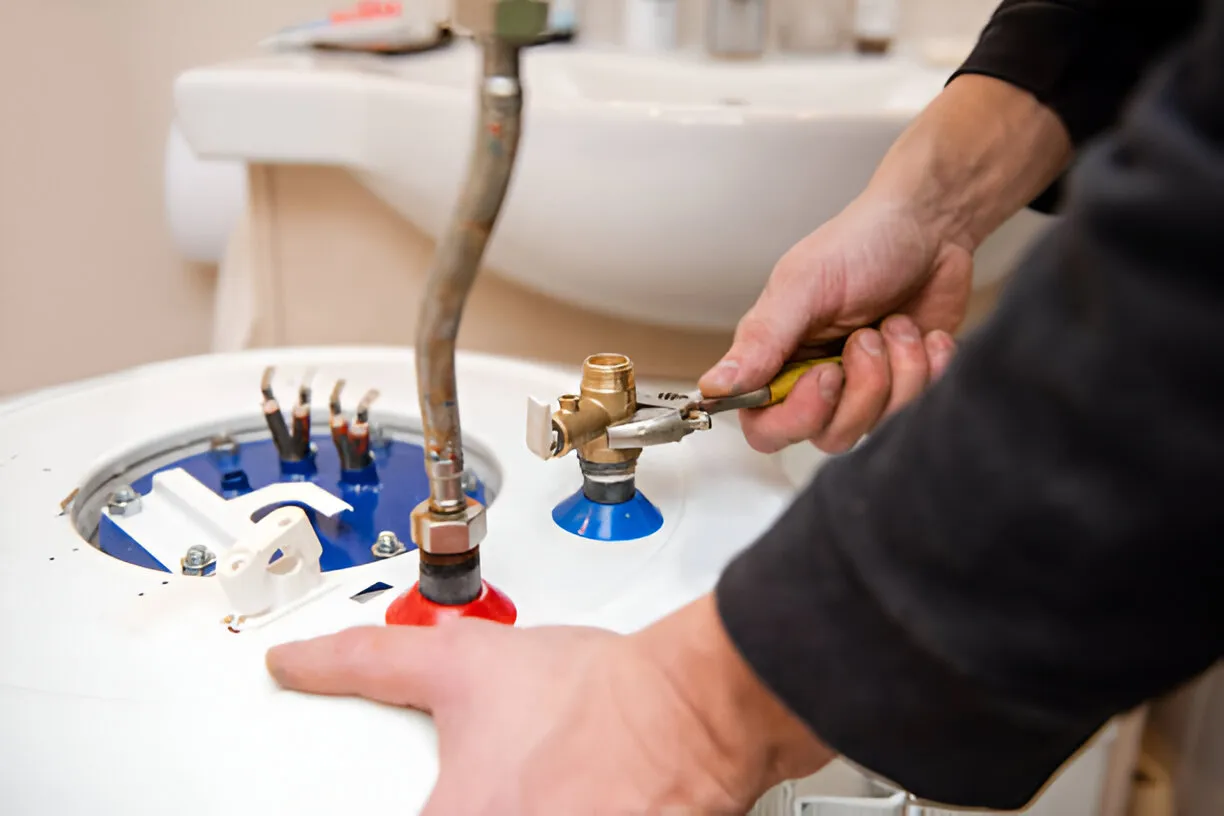
Common signs you need heating replacement in Linden, OH
- Frequent breakdowns or costly repairs within short intervals
- Age: furnaces and boilers older than 15 to 20 years usually lose efficiency and reliability
- Increasing energy bills despite normal use patterns
- Uneven heating, cold spots, or long warm-up times on the coldest days
- Yellow pilot light (for gas appliances) or signs of corrosion and leaks on boilers
- Strange noises, excessive cycling, or difficulty maintaining set temperatures
- Safety concerns like frequent carbon monoxide or combustion irregularities
Replacement options and how they compare
Choosing the right replacement depends on your home layout, existing fuel, ductwork condition, and long-term goals for efficiency and comfort. Common options for Linden homes include:
- Gas Furnace (high-efficiency, modulating, two-stage)
- Pros: fast recovery, high heat output for cold Ohio winters, lower operating cost when natural gas is available
- Metrics to evaluate: AFUE (Annual Fuel Utilization Efficiency); modern high-efficiency units typically exceed 95% AFUE
- Best for: homes with existing natural gas lines and ducted systems
- Boiler (gas or oil)
- Pros: steady radiant heat, ideal for older homes with baseboards or radiators
- Considerations: AFUE ratings, sealed combustion options, and the cost of fuel in the region
- Best for: homes with existing hydronic systems or where radiant heat is preferred
- Heat Pump (air-source or cold-climate)
- Pros: excellent efficiency, heats and cools, increasingly effective in colder climates with cold-climate models or hybrid systems
- Metrics: HSPF (Heating Seasonal Performance Factor) and COP (Coefficient of Performance)
- Best for: homeowners seeking all-in-one comfort and lower electric-only systems in moderately cold climates
- Ductless Mini-Split Heat Pump
- Pros: targeted zone control, minimal ductwork changes, good retrofit option for room additions
- Best for: homes with poor or no ductwork, or for adding supplemental heat
- Hybrid Systems (heat pump + gas furnace)
- Pros: optimized efficiency—heat pump handles mild weather, furnace engages during extreme cold
- Best for: Linden homes that want the efficiency of a heat pump without sacrificing high-output backup heat
Diagnostic and selection process
A responsible replacement starts with a thorough diagnosis and sizing process rather than picking the highest-rated unit. Key steps include:
- Load calculation (Manual J) to size equipment for your home’s actual heat loss and gain. Oversizing reduces efficiency and comfort; undersizing leads to poor performance on cold days.
- Ductwork inspection to identify leaks, blockage, or improper design. Leaky ducts can undermine a new system’s efficiency by 10-30 percent.
- Combustion and safety checks when replacing gas or oil equipment to meet local code and indoor air safety standards.
- Airflow and thermostat placement assessment to optimize distribution and control.
- Evaluating insulation and windows—addressing building shell issues can shrink required equipment size and operating cost.
Removal, disposal, and code compliance
Professional replacement includes safe removal and responsible disposal of the old equipment. Typical steps performed during replacement:
- Disconnecting and safely removing the old unit, including fuel lines or fuel tanks if present
- Proper disposal or recycling of metals, refrigerants, and other components per Ohio and federal regulations
- Flue and venting replacement or sealing to code for combustion appliances
- Obtaining permits and scheduling required inspections to ensure the installation meets local safety and performance codes
Efficiency and cost-savings analysis
When evaluating replacement, weigh upfront cost against lifetime operating costs and local fuel prices. Key considerations:
- Efficiency ratings: Higher AFUE and HSPF reduce fuel consumption. In Linden, higher-efficiency gas furnaces and cold-climate heat pumps can cut winter heating costs substantially.
- Fuel price trends: Natural gas is commonly available in central Ohio; compare projected annual fuel cost for gas versus electric heat pump operation.
- Payback period: Include utility savings, lower repair bills, and potential comfort gains. In many cases, higher-efficiency equipment produces measurable savings each winter and recoups a portion of the investment over time.
- Additional savings: Properly sized equipment, sealed ducts, and thermostat zoning increase realized efficiency.
Rebates, incentives, and financing assistance
Linden homeowners can improve affordability through multiple assistance paths:
- Utility and state rebates for qualifying high-efficiency furnaces, boilers, and heat pumps reduce upfront cost.
- Federal tax credits or incentives may be available for specific energy-efficient equipment—document equipment specifications and installation date for eligibility.
- Financing options tailored to HVAC replacement help spread payments over time and can make higher-efficiency models accessible.
When exploring incentives, gather product efficiency ratings, installation details, and any contractor-provided paperwork required for rebate or tax credit applications.
What to expect during a professional replacement
- Pre-installation assessment and final equipment selection based on load calculations
- Coordinated scheduling for minimal disruption; removal and installation typically completed within a day or two depending on system complexity
- Final testing: combustion analysis (for gas/oil), airflow balancing, thermostat calibration, and system operation checks
- Documentation provided for warranty registration, equipment manuals, and service recommendations
Expected performance improvements after replacement
Upgrading aging equipment delivers several measurable benefits:
- Lower monthly heating bills due to higher AFUE or HSPF ratings and reduced standby losses
- More consistent indoor temperatures and improved recovery during extreme cold spells common to Linden winters
- Quieter operation, better indoor air filtration, and reduced humidity-related issues when paired with modern controls and ventilation strategies
- Fewer emergency repair calls and longer predictable lifecycle backed by manufacturer warranties
Maintenance and long-term care
A new system performs best when paired with ongoing care:
- Change filters regularly and use the correct MERV rating for balanced airflow and filtration
- Schedule annual professional tune-ups—preseason checks catch small issues before they affect performance or safety
- Keep outdoor heat pump units clear of snow and debris during winter months in Linden
- Consider a maintenance agreement to extend equipment life, preserve efficiency, and maintain warranty eligibility
Replacing your heating system is a technical decision with long-term implications for comfort, safety, and household budgets. For Linden homes facing frequent repairs, rising energy costs, or insufficient warmth on the coldest days, a planned, professionally executed replacement yields reliable performance and measurable savings while meeting local code and environmental standards.
Hot Deals & Cool Savings

.webp)
New Service Agreement Membership
.webp)
Any New Client Service
Next Service for Referring a New Client
New Service Agreement Membership
Any New Client Service
Next Service for Referring a New Client
.webp)
.webp)

Service Areas
