
Furnace Installation in Linden, OH
Furnace Installation Linden, OH: Expert, code-compliant service to ensure safety and comfort for your home. Schedule your installation today.

Furnace Installation in Linden, OH
Replacing or installing a new furnace is one of the most important home investments for Linden, OH homeowners. Central Ohio winters bring extended periods of cold, occasional deep freezes, and wet spring conditions that affect system performance. A properly sized, code-compliant furnace installation keeps your home safe, comfortable, and energy efficient while avoiding costly callbacks or premature equipment failure.
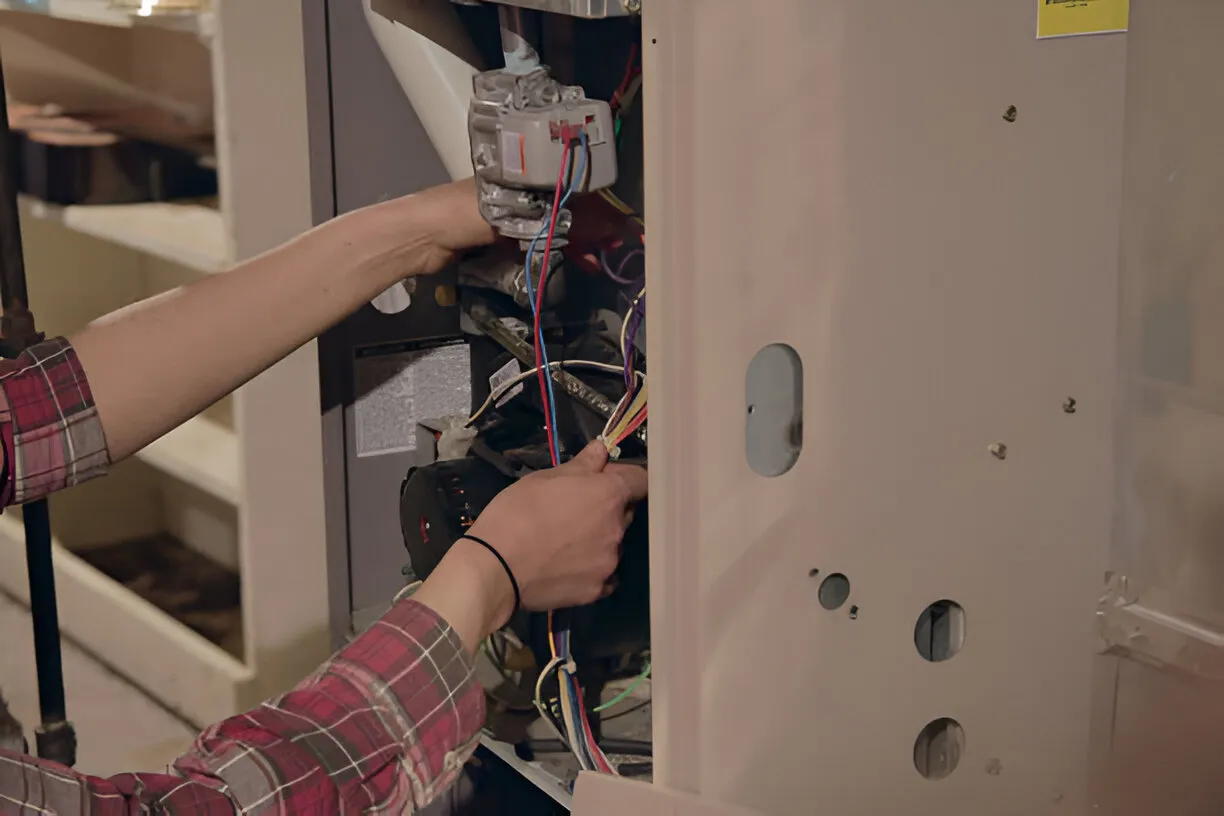
Why a professional furnace installation matters in Linden, OH
- Cold winters and variable temperatures make reliable heating essential.
- Older homes in Linden often have legacy duct layouts, tight crawlspaces, or chimney venting that require customized solutions.
- Midwest humidity and seasonal temperature swings can expose installation flaws—poor airflow or incorrect venting—that reduce efficiency and safety.A professional installation reduces the risk of uneven heating, high utility bills, and safety concerns such as carbon monoxide exposure.
Common furnace installation issues in Linden, OH homes
- Incorrect sizing (oversized or undersized units) leading to short-cycling or inadequate heat.
- Improper venting or flue installation in homes with existing chimneys or tight utility rooms.
- Undersized or leaky ductwork that negates efficiency gains from a new furnace.
- Thermostat incompatibility with modern variable-speed or modulating furnaces.
- Missing permits or failed inspections due to incomplete code compliance.
- Combustion air and clearances not addressed in tight basements or closets.
Site assessment: the foundation for a correct installation
A thorough on-site assessment determines the right furnace and installation approach. Key elements included:
- Home size and layout review and a Manual J load calculation to determine precise heating needs.
- Duct inspection for leakage, sizing, and static pressure measurement.
- Fuel type and supply check (natural gas vs propane vs electric) and gas line sizing if applicable.
- Venting options review: direct vent, B-vent, or chimney lining needs.
- Inspection of installation space for clearances, platform requirements, and combustion air.
- Identification of any insulation or envelope improvements that will affect system sizing.
Equipment selection: matching performance to your home
Choosing the right furnace depends on efficiency goals, budget, and home characteristics. Key considerations:
- AFUE rating: Higher AFUE means better fuel-to-heat efficiency; central Ohio homeowners often see long-term savings with mid to high AFUE models.
- Single-stage vs two-stage vs modulating: Two-stage or modulating furnaces provide better comfort control and efficiency, especially in homes with variable heating loads.
- Variable-speed blower motors improve comfort and reduce noise while offering better airflow control for tighter homes.
- Compatibility with indoor air quality add-ons such as humidifiers, air cleaners, or zoning systems.A proper Manual J load and equipment matching process prevents frequent on-off cycling and reduces energy bills.
Installation steps: what a professional crew does
A reliable installation follows a clear sequence:
- Pre-install preparation: deliver equipment, protect floors, and lay out tools and materials.
- Old equipment removal: safely disconnect gas, electrical, and venting; remove and dispose of the old furnace per local regulations.
- Rough-in and modification: modify or install duct transitions, plenum, and return connections; upgrade gas line if required; ensure proper condensate piping for high-efficiency units.
- Venting and flue work: install or repair venting, liner chimneys if needed, and ensure termination clearances meet code.
- Electrical and controls: wire the furnace, install or configure thermostat interface, and connect safety devices and condensate pumps if necessary.
- Sealing and insulation: duct sealing and insulation to minimize distribution losses.
- System startup and adjustments: combustion tuning, blower speed selection, and thermostat programming.
Code compliance and permits in Linden / central Ohio
Installations must comply with Ohio building and mechanical codes and local Columbus-area permit requirements. Typical steps:
- Obtain required mechanical and gas permits before work starts.
- Follow manufacturer installation instructions and local code clearances.
- Schedule municipal inspections for gas piping, mechanical venting, and final system approval.
- Complete any required carbon monoxide alarm installation per local code.Adhering to permit and inspection requirements protects warranty coverage and ensures safety and resale compliance.
Commissioning and homeowner walkthrough
Commissioning verifies the system operates safely and efficiently. Typical commissioning tasks:
- Safety checks for gas leaks, proper combustion, and venting integrity.
- Combustion analysis where applicable to verify fuel/air mixture.
- Airflow and temperature rise verification across the heat exchanger.
- Thermostat calibration and programming for comfort and economy.After commissioning, a professional walkthrough will explain system operation, filter maintenance, thermostat settings, and emergency shutoff procedures so homeowners are comfortable operating the new furnace.
Expected timeline and what to plan for
- Site assessment and estimate: usually performed within a few days of initial inquiry.
- Permit processing: can vary from same day to one or two weeks depending on local building department workloads.
- Installation day(s): most residential furnace replacements take 1 to 2 days. Complex jobs with duct upgrades, chimney lining, or structural modifications may take longer.
- Final inspection and sign-off: scheduled after installation; timing depends on inspector availability.Plan for short periods of reduced access to mechanical rooms and temporary heat arrangements if installation spans multiple days during colder months.
Warranty registration and documentation
Two warranty elements are important:
- Manufacturer warranty: often covers parts for a set number of years; some models require online or mail-in registration by the homeowner to validate extended warranty periods.
- Labor installation warranty: typically provided by the installer and covers workmanship for a specified period.Retain all installation paperwork, permits, model and serial numbers, and warranty cards. Register manufacturer warranties promptly to ensure coverage.
Long-term benefits and maintenance advice
- A correctly installed furnace improves comfort, reduces fuel bills, and extends equipment life.
- Annual preventive maintenance keeps the system operating safely and efficiently; schedule winter tune-ups and mid-season checks.
- Replace filters regularly and consider duct sealing and insulation improvements to maximize performance.
- Install and test carbon monoxide detectors on every level for ongoing safety.
A professional, code-compliant furnace installation tailored to Linden, OH home conditions protects your investment and keeps your household safe and comfortable throughout Central Ohio winters. Proper assessment, accurate sizing, careful venting, and thorough commissioning are the keys to reliable heating and long-term peace of mind.
Hot Deals & Cool Savings

.webp)
New Service Agreement Membership
.webp)
Any New Client Service
Next Service for Referring a New Client
New Service Agreement Membership
Any New Client Service
Next Service for Referring a New Client
.webp)
.webp)

Service Areas
