
Heating Maintenance in Hebron, OH
Heating maintenance in Hebron, OH keeps furnaces, boilers, and heat pumps reliable with proactive service, safety checks, and clear records.

Heating Maintenance in Hebron, OH
Keeping your heating system dependable through Hebron winters starts with a proactive maintenance plan tailored to local conditions. Heating maintenance in Hebron, OH protects your home from unexpected cold-weather breakdowns, improves system efficiency, and reduces long-term repair costs. For homeowners who rely on furnaces, boilers, or heat pumps, a structured service agreement that includes scheduled inspections, priority service, and documented maintenance delivers reliable warmth and safety when temperatures dip.
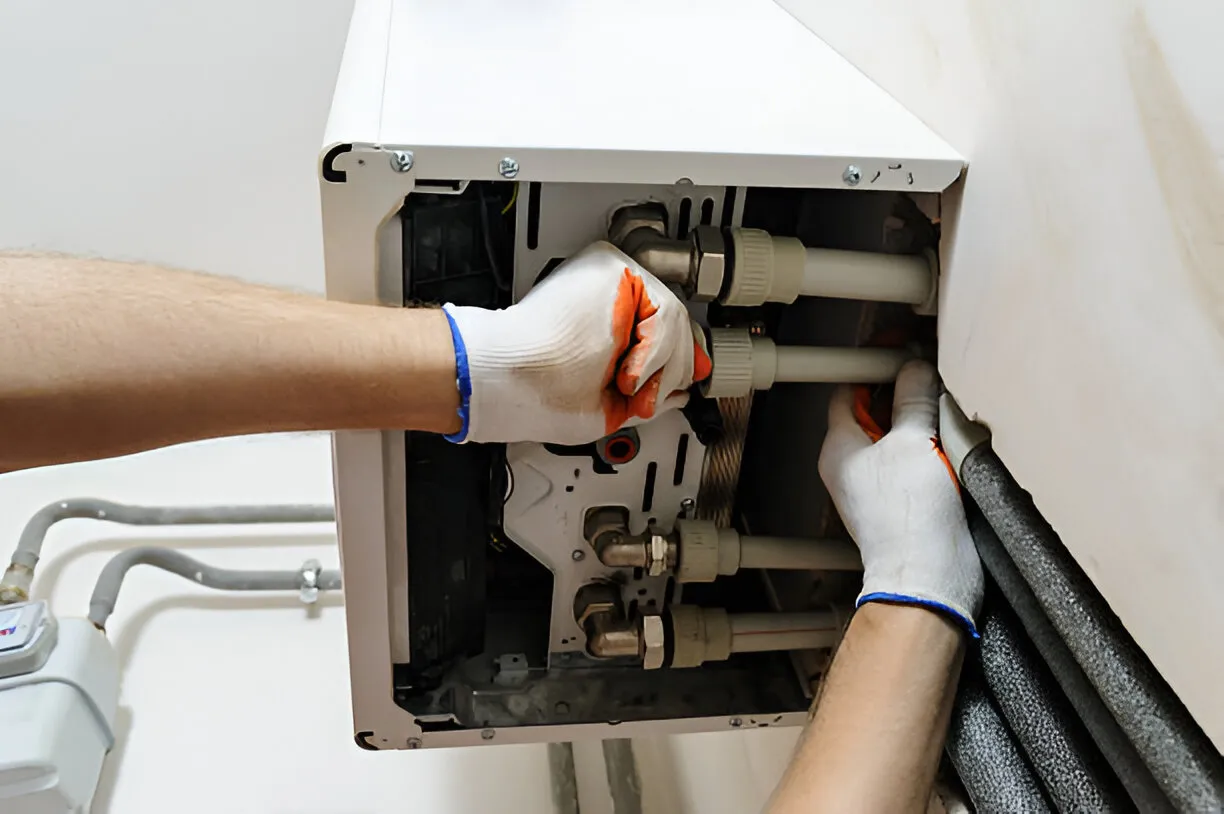
Common heating maintenance issues in Hebron, OH
Hebron homes face seasonal stresses—cold snaps, freeze-thaw cycles, and spring humidity—that surface as predictable heating problems. Common issues a maintenance program addresses include:
- Delayed ignition or intermittent burner operation in older gas furnaces, often caused by dirty burners or failing igniters.
- Cracked or corroded heat exchangers in aging units, which pose safety and efficiency concerns.
- Clogged condensate drains and pans in high-humidity months that lead to shutdowns or water damage.
- Worn blower motors, belts, or bearings that reduce airflow and raise energy use.
- Refrigerant leaks or failing compressors in heat pumps, producing poor heating performance in shoulder seasons.
- Thermostat miscalibration and poor airflow from blocked or leaky ducts, common in older Hebron houses.
- Fuel supply issues for propane or oil-fired systems in rural parts of Licking County (regulator or line checks are important).
What a comprehensive heating maintenance program includes
A professional heating maintenance plan for Hebron homeowners should go beyond a basic tune-up. Core elements include:
- Scheduled inspections timed for local needs (pre-winter furnace/boiler tune-up and pre-cooling or spring check for heat pumps).
- Safety checks: combustion analysis, CO testing, and heat exchanger inspection for gas-fired equipment.
- Mechanical and electrical inspection: motor, blower, belts, bearings, controls, relays, and safety switches.
- Cleaning: burners, flame sensors, pilot assemblies, condensate drains, and accessible ductwork as needed.
- Airflow and filtration: filter check/replacement, blower wheel cleaning, and static pressure measurements.
- Fuel system checks for propane or oil systems where applicable.
- Refrigerant and reversing valve checks for heat pumps, plus defrost cycle inspections.
- Documentation and reporting: a written maintenance checklist and service log for each visit.
- Priority response and pre-scheduled appointments to avoid winter wait times.
- Discounted rates on repairs and parts covered under the service agreement.
Typical maintenance checklist for Hebron heating systems
A useful checklist clarifies exactly what homeowners receive during a maintenance visit:
- Verify thermostat settings and calibrate if necessary.
- Inspect and test safety devices and ignition systems.
- Clean or replace air filters and inspect duct outlets.
- Lubricate motors and moving parts where applicable.
- Test blower operation and measure system airflow.
- Inspect heat exchanger, flue, and venting for cracks, corrosion, or obstructions.
- Check electrical connections and voltage to major components.
- Test system start-up, operation, and shut-down cycles.
- Record fuel pressure (propane/oil) or refrigerant charges (heat pumps) as required.
- Provide a written report with observations, recommended repairs, and priority coding for urgent items.
Expected frequency of visits and scheduling
Frequency depends on system type and age, but local best practices for Hebron homes typically are:
- Gas furnace: annual inspection and tune-up before the heating season (late summer to early fall).
- Boiler: annual inspection and combustion tune-up before heavy use.
- Heat pumps and ductless systems: twice yearly—once in the fall for heating mode and once in the spring for cooling mode.
- Older systems or homes with pets/allergies: filter checks every 1–3 months and technician visits may be recommended more frequently.
- Service agreements often include scheduled reminders and priority seasonal bookings to ensure timely visits.
What happens during a maintenance visit — step by step
Understanding the visit process reduces uncertainty and sets expectations:
- Technician arrival with tools, test equipment, and a pre-built checklist.
- Initial safety sweep: CO test, visual inspection of vents/flues, and fuel system checks.
- Component cleaning and adjustments: burners, pilot, ignition, and electrical tightening.
- System performance tests: static pressure, airflow, combustion efficiency, and temperature rise.
- Filter replacement or recommendations and small repairs if within the agreement scope.
- Final operational test and homeowner briefing with a written service record and prioritized recommendations.
Record-keeping and long-term benefits
A maintenance agreement that includes detailed records creates a living history of your system. Benefits include:
- Easier warranty compliance and documentation for manufacturer requirements.
- Clear service history for resale value and buyer confidence.
- Predictive budgeting: identifying parts that are nearing end of life so replacements can be planned, not forced.
- Quantifiable energy savings and fewer emergency repairs over the life of the equipment.
How regular maintenance lowers costs and improves reliability
Routine maintenance directly impacts operating cost and system longevity:
- Improved efficiency: clean burners, properly tuned combustion, and correct refrigerant levels reduce energy use.
- Fewer emergency repairs: small issues are caught early before they cause system failure on a subzero night.
- Extended equipment life: reducing strain on motors and compressors adds years to a system’s lifespan.
- Safety assurance: combustion testing and CO monitoring protect household occupants from hazardous exposures.
Practical maintenance tips for Hebron homeowners
Simple actions between professional visits help keep systems reliable:
- Change or check filters every 1–3 months, more often during peak use or if you have pets.
- Keep outdoor heat pump units and vents clear of leaves, snow, and debris.
- Insulate exposed pipes, especially in unheated basements or crawlspaces, to prevent freeze damage.
- Test carbon monoxide detectors monthly and replace batteries regularly.
- Schedule professional maintenance before October to avoid winter service delays.
A comprehensive heating maintenance program designed for Hebron, OH conditions gives you predictable performance, documented maintenance history, and measurable savings over time. Regular inspections, priority service, and consistent record-keeping are the most effective ways to protect comfort, safety, and investment in a home heating system.
Hot Deals & Cool Savings

.webp)
New Service Agreement Membership
.webp)
Any New Client Service
Next Service for Referring a New Client
New Service Agreement Membership
Any New Client Service
Next Service for Referring a New Client
.webp)
.webp)

Service Areas
